Sprig Originals's kitchen / Batch Tikka Masala Sauce Base
Batch Tikka Masala Sauce Base
 By Sprig Originals · cooked up in Sprig
Worked out from this recipe's ingredients. If you're cooking for an allergy, always read the full ingredient list.
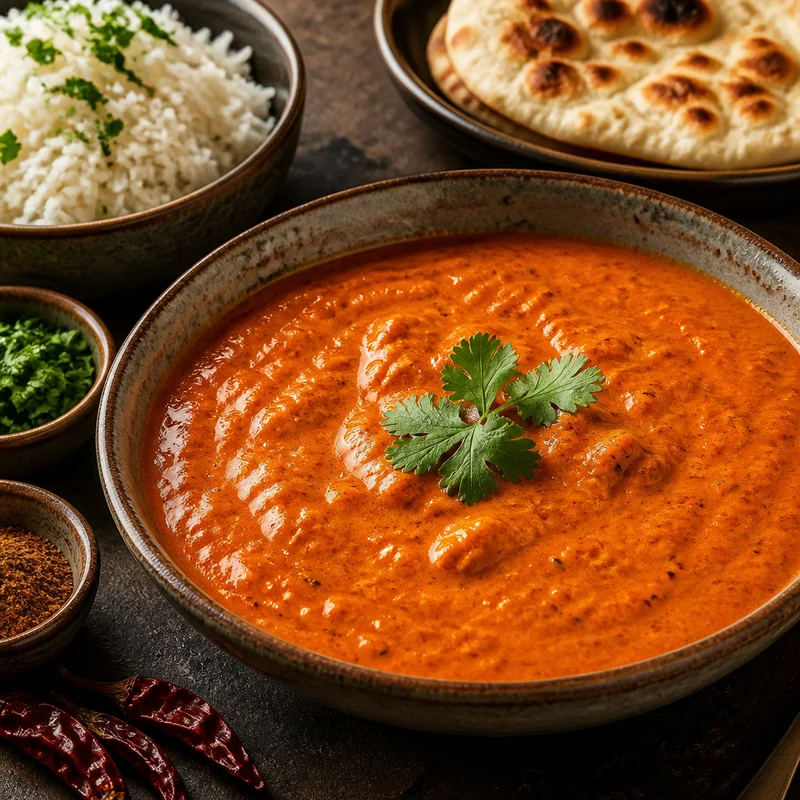
The glossy, faintly smoky tomato-and-cream sauce behind every good tikka masala, built as a base you cook once and use all week. Whole spices are bloomed in ghee, onions are cooked past golden to sweet, and the tomatoes are reduced hard before a cashew purée goes in — so the sauce has body without depending on a flood of cream. Blend it smooth, hold back the dairy, and it freezes flat and thaws into chicken tikka masala, paneer makhani or a chickpea curry in about ten minutes.
Ingredients
Whole spices
- 1 tbsp coriander seeds
- 1 1/2 tsp cumin seeds
- 4 green cardamom pods, lightly crushed
- 1 cinnamon stick (2 inches)
- 4 whole cloves
- 1 dried bay leaf
Aromatic base
- 3 tbsp ghee (or 2 tbsp neutral oil plus 1 tbsp butter)
- 2 tbsp neutral oil
- 3 large yellow onions, thinly sliced (about 5 cups)
- 1 1/2 tsp kosher salt, plus more to taste
- 8 garlic cloves, minced
- 2 tbsp finely grated fresh ginger
- 1 serrano chile, split lengthwise
Ground masala
- 2 tbsp sweet paprika
- 2 tsp Kashmiri chile powder (or 1 tsp cayenne)
- 1 1/2 tsp ground turmeric
- 1 tbsp garam masala
- 1 tbsp tomato paste
Body and finish
- 1 28-oz can whole peeled tomatoes, preferably San Marzano
- 1/2 cup raw cashews
- 2 cups water, plus more as needed
- 1 tbsp dried fenugreek leaves (kasuri methi)
- 1 tsp granulated sugar, or to taste
- 2 tsp fresh lemon juice
To serve (per 2-cup portion of base)
- 1/3 cup heavy cream
- 1 tbsp cold butter
- chopped cilantro
Instructions
- Toast the whole spices: put the coriander seeds, cumin seeds, cardamom pods, cinnamon stick, cloves and bay leaf in a dry heavy pot or Dutch oven over medium heat. Toast for 2 to 3 minutes, shaking often, until the cumin darkens a shade and the pot smells fragrant. Tip everything onto a plate; when cool, grind the coriander and cumin to a powder in a spice grinder or mortar and set the whole cinnamon, cardamom, cloves and bay aside separately.
- Return the pot to medium-high heat and add the ghee and oil. When it shimmers, add the sliced onions and 1 1/2 teaspoons kosher salt. Cook 5 minutes without stirring much to get some color started, then reduce to medium and cook 25 to 30 minutes, stirring every few minutes, until the onions are deep golden brown, collapsed and jammy. If they threaten to scorch, add a splash of water and scrape the bottom.
- Meanwhile, put the cashews in a small bowl and cover with boiling water. Let soak at least 20 minutes.
- Push the onions to one side and add the garlic, ginger and split serrano to the cleared space. Cook 90 seconds, stirring, until the raw garlic smell is gone, then stir into the onions.
- Turn the heat to medium-low. Add the ground toasted coriander and cumin, the paprika, Kashmiri chile powder, turmeric and tomato paste. Stir constantly for 60 to 90 seconds — the mixture will look like a thick paste and the fat will turn brick red. Do not let the spices smoke.
- Crush the canned tomatoes with your hands directly into the pot, add the juices, then add the reserved cinnamon stick, cardamom pods, cloves and bay leaf. Raise the heat to medium-high and cook 12 to 15 minutes, stirring and scraping, until the sauce is thick enough that a spoon dragged across the bottom leaves a clear track and pools of red fat separate at the edges. This reduction is what makes the sauce taste cooked rather than raw.
- Add 2 cups water, bring to a simmer, and cook uncovered 15 minutes. Fish out and discard the cinnamon stick, cardamom pods, cloves, bay leaf and serrano.
- Drain the cashews and add them to the pot. Blend the sauce completely smooth: either use an immersion blender for 2 to 3 full minutes, or work in two batches in a countertop blender (vent the lid and cover with a towel — hot liquid expands). Push it further than looks necessary; the target is a glossy, pourable purée with no grit.
- Return the blended sauce to the pot over low heat. Crush the dried fenugreek leaves between your palms and stir them in along with the garam masala, sugar and lemon juice. Simmer 5 minutes, then taste and adjust salt, sugar and acid — it should read slightly saltier and tangier than you want in the finished dish, since it will be diluted by cream and whatever protein you add.
- Cool and store the base without dairy: about 6 cups, enough for three dinners. Refrigerate up to 5 days or freeze in 2-cup portions for up to 3 months.
- To finish a dinner: warm 2 cups base in a skillet over medium heat, add 1 pound cooked chicken tikka, seared paneer, roasted cauliflower or a drained can of chickpeas, and simmer 5 minutes to marry. Off the heat, swirl in 1/3 cup heavy cream and 1 tablespoon cold butter until glossy, then scatter with cilantro and serve with rice or naan.
Chef's tips
- Never boil the sauce hard after the cream goes in — it can break and turn grainy. Add dairy off the heat, or at the barest simmer.
- For the smoky note you get at a tandoor restaurant, cook the chicken separately: marinate 1 1/2 pounds thigh chunks in 3/4 cup whole-milk yogurt, 1 tbsp ginger-garlic paste, 2 tsp garam masala, 1 tsp Kashmiri chile powder and 1 1/2 tsp salt for 4 to 24 hours, then broil on a rack 4 inches from the element for 10 to 12 minutes until charred in spots before folding into the finished sauce.
- No cashews? Substitute 1/4 cup blanched almonds or 3 tablespoons cashew butter added at the blending stage. Coconut cream also works if you want it dairy-free — use 1/2 cup in place of the cream and butter.
- Freeze the base flat in labeled zip-top bags; a thin sheet thaws in 15 minutes in a bowl of warm water, which makes this a genuine weeknight sauce.
- If the sauce tastes flat, it is almost always underseasoned or under-acidified rather than under-spiced. Add salt first, then another 1/2 teaspoon lemon juice, and only then reach for more garam masala.
Nutrition (per serving, estimated)
387calories
7gprotein
29gcarbs
29gfat
Estimates only — values vary with brands and portions.
Made with Sprig
Batch Tikka Masala Sauce Base was created in Sprig — the AI chef that turns any craving into a complete recipe, plans your week, and shops with one smart list.
Free to start · 14-day Pro trial · cancel anytime
Not ready yet? Get the occasional recipe worth cooking — a couple a month at most.
You're on the list — check your inbox!
Unsubscribe anytime. Privacy Policy
More from Sprig Originals
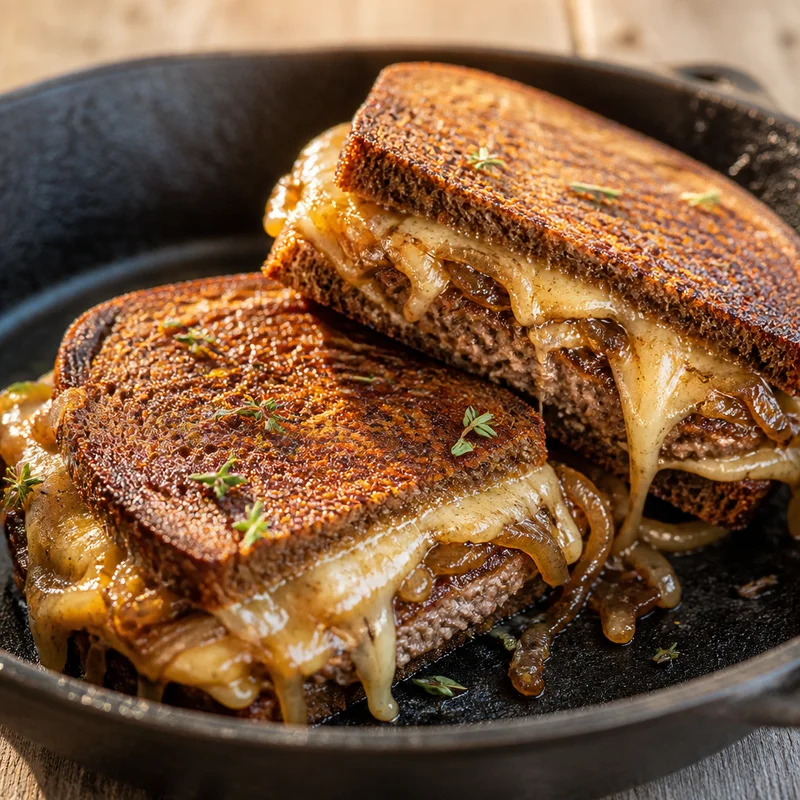
French Onion Patty Melts on Rye
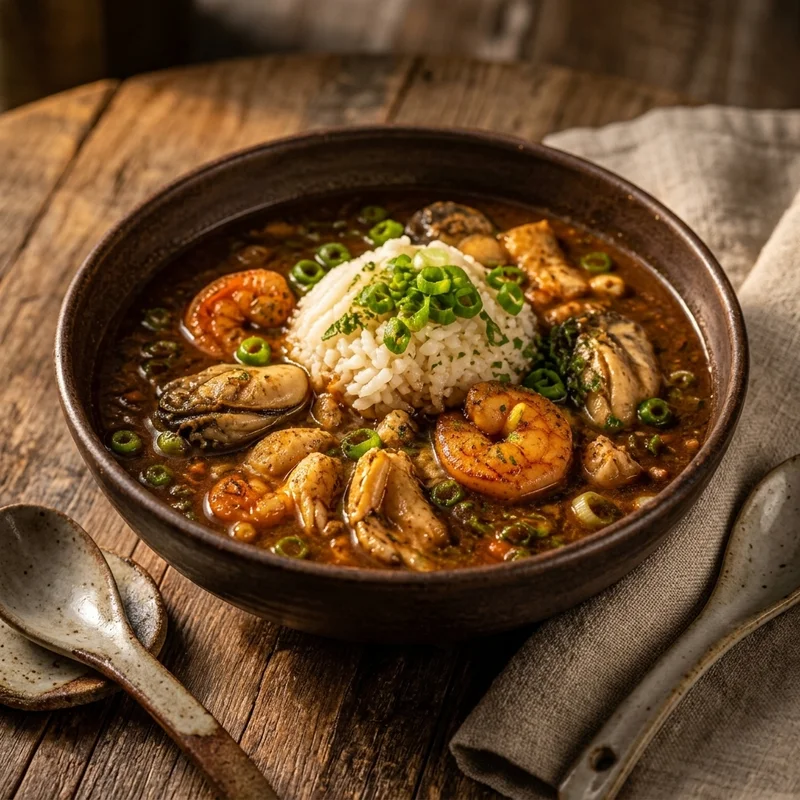
Dark Roux Seafood Gumbo with Quick Shrimp Stock
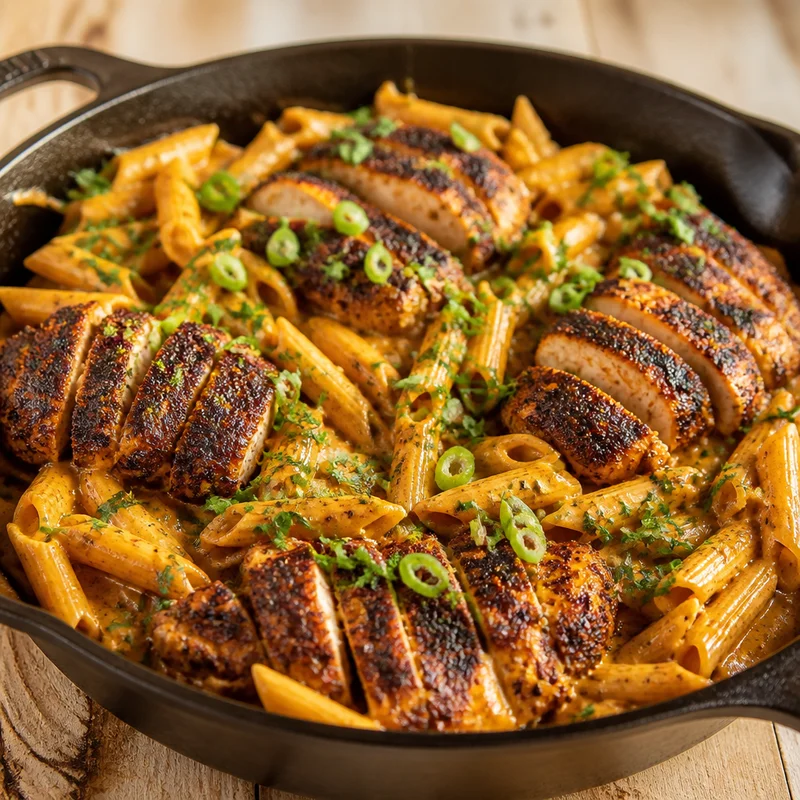
One-Skillet Blackened Cajun Chicken Pasta
Are you this recipe's original author or publisher? Report a problem