Sprig Originals's kitchen / 30-Minute Korean Pickled Daikon (Danmuji)
30-Minute Korean Pickled Daikon (Danmuji)
 By Sprig Originals · cooked up in Sprig
Worked out from this recipe's ingredients. If you're cooking for an allergy, always read the full ingredient list.
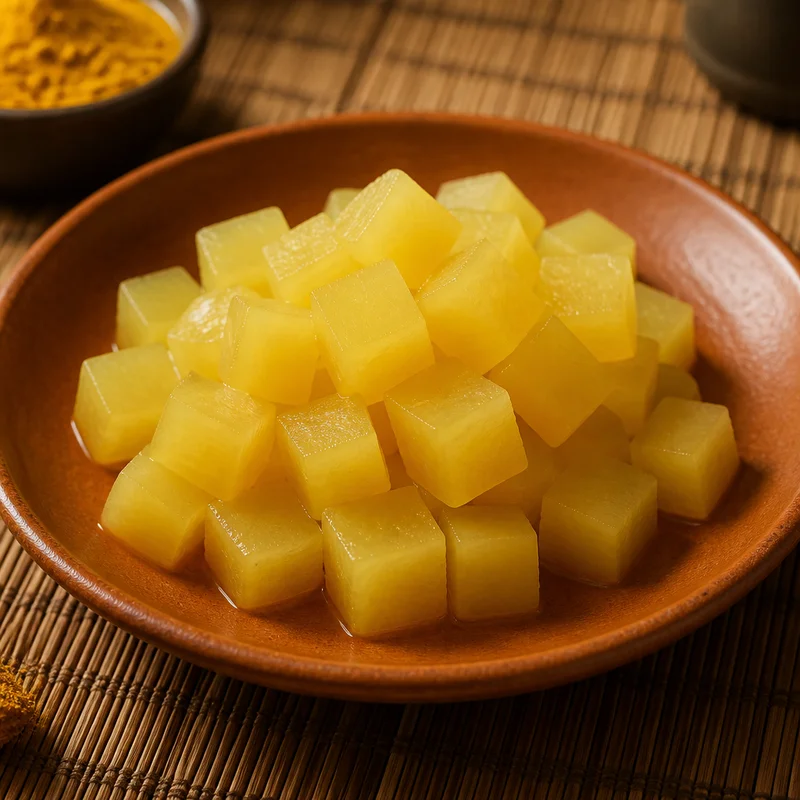
The pale, translucent cubes that show up next to every order of Korean fried chicken — sweet, tart, aggressively crunchy, and gone before the wings are. A warm vinegar-sugar-salt brine poured over cut daikon has it ready to eat in 30 minutes flat, and it only gets better over the next two weeks in the fridge. A pinch of turmeric gives it that familiar soft yellow tint if you want the takeout look.
Ingredients
Radish
- 1 1/2 lb daikon radish (about 1 medium), peeled
- 1 tsp kosher salt, for drawing out water
Quick Brine
- 1 cup water
- 3/4 cup rice vinegar (unseasoned) or distilled white vinegar
- 1/2 cup granulated sugar
- 1 1/2 tsp kosher salt
- 1 pinch ground turmeric, optional, for color
Optional Aromatics
- 2 cloves garlic, smashed
- 1 dried bay leaf
- 1/2 tsp black peppercorns
- 2 strips lemon peel, no pith
- 1 dried red chile, halved
Instructions
- Peel the daikon and trim off both ends. Cut it into 3/4-inch thick rounds, then cut the rounds into 3/4-inch cubes — you want chunky pieces that stay crunchy. For a plate-side version to eat with grilled meat, cut thin 1/8-inch coins instead.
- Toss the cut daikon with 1 teaspoon kosher salt in a colander set over a bowl and let it sit 10 minutes while you make the brine. This pulls out a few tablespoons of water so the finished pickle is crisper and less diluted. Do not rinse; just shake off excess liquid.
- Pack the daikon into a clean 1-quart jar or heatproof container along with any optional aromatics you're using. Press down lightly — it should reach the shoulder of the jar.
- Combine the water, vinegar, sugar and 1 1/2 teaspoons salt in a small saucepan. Add the pinch of turmeric if you want the classic yellow tint (a pinch is plenty — more turns it muddy). Bring to a simmer over medium heat, whisking, and cook just until the sugar and salt fully dissolve, about 2 to 3 minutes. Do not boil hard.
- Pour the hot brine over the daikon, covering it completely. If a piece or two floats, weigh them down with a small folded piece of parchment or a clean shot glass. Let the jar sit uncovered on the counter for 15 minutes to cool slightly.
- Cover and refrigerate. The pickles are bright, snappy and ready to eat after 30 minutes total; they hit full sweet-tart balance at the 24-hour mark. Serve cold, straight from the jar, alongside Korean fried chicken, grilled pork belly, or fried rice.
- Store submerged in the brine in the refrigerator for up to 3 weeks. The daikon slowly softens and turns more translucent over time — still delicious, just less loud.
Chef's tips
- Skip the stove entirely if you like: shake the brine ingredients in a sealed jar for 2 minutes until the sugar dissolves, then pour over the daikon and refrigerate 2 hours instead of 30 minutes. Heat is just a shortcut to speed.
- Daikon smells sulfurous when raw and while brining — that's normal and it fades. Keep the jar tightly lidded so your fridge doesn't take on the aroma.
- Choose a daikon that's firm and heavy for its size with tight, smooth skin. Spongy or hollow-centered radish makes limp pickles no matter how good the brine is.
- Don't throw out the leftover brine. Reuse it once with a fresh batch of daikon, cucumber spears, or thinly sliced red onion — just bring it back to a simmer first.
- For a Korean-Chinese takeout riff, add 1 tablespoon of the brine and a few pickle cubes to a bowl of black bean noodles or serve with raw onion wedges and black bean paste.
Nutrition (per serving, estimated)
54calories
0gprotein
14gcarbs
0gfat
Estimates only — values vary with brands and portions.
Made with Sprig
30-Minute Korean Pickled Daikon (Danmuji) was created in Sprig — the AI chef that turns any craving into a complete recipe, plans your week, and shops with one smart list.
Free to start · 14-day Pro trial · cancel anytime
Not ready yet? Get the occasional recipe worth cooking — a couple a month at most.
You're on the list — check your inbox!
Unsubscribe anytime. Privacy Policy
More from Sprig Originals
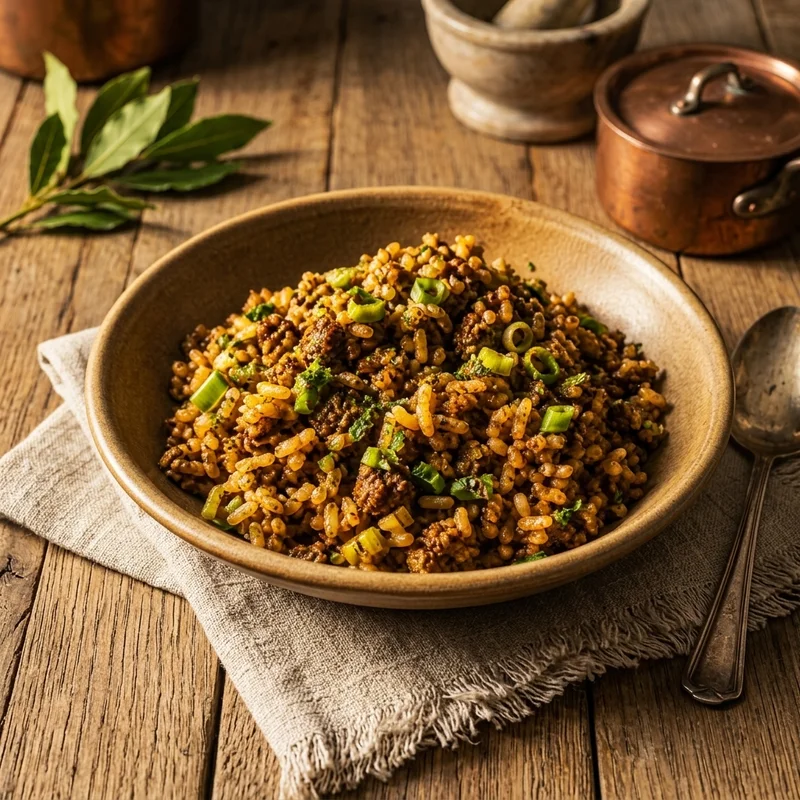
South Louisiana Rice Dressing (Dirty Rice)
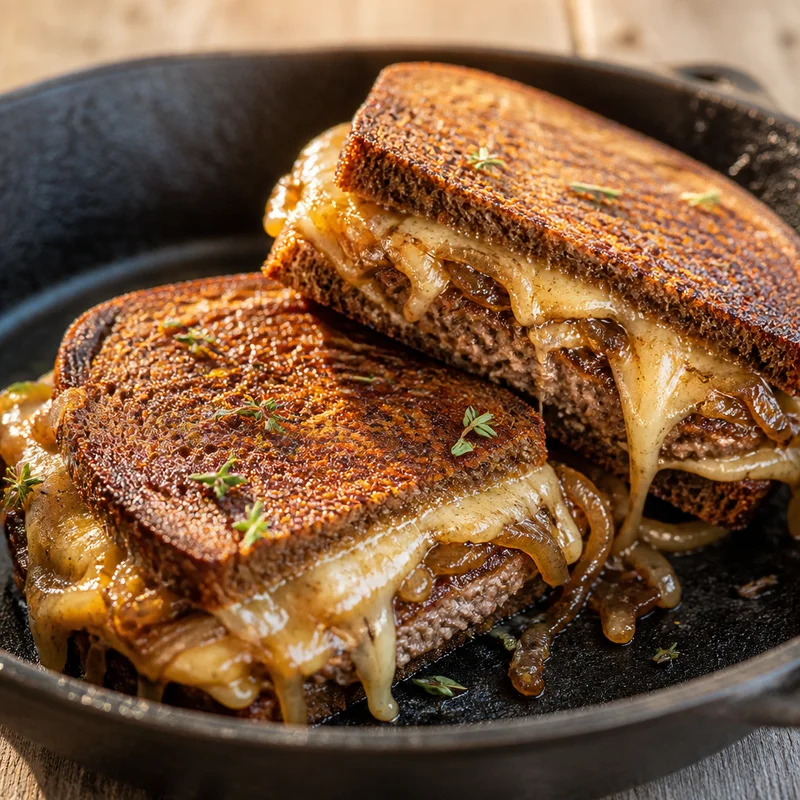
French Onion Patty Melts on Rye
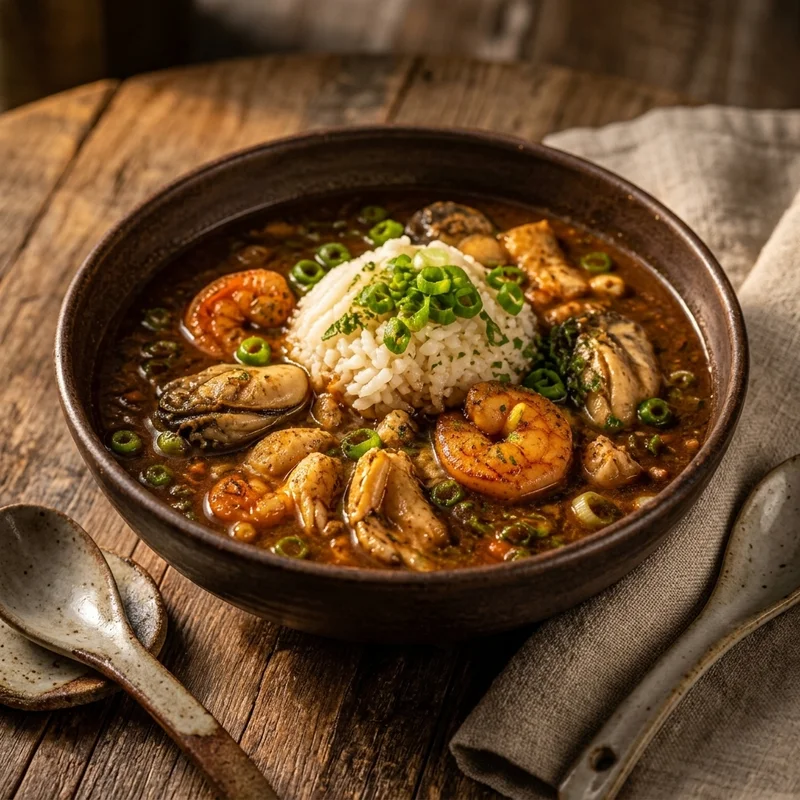
Dark Roux Seafood Gumbo with Quick Shrimp Stock
Are you this recipe's original author or publisher? Report a problem