Sprig Originals's kitchen / Ginger-Soy Chicken Jerky with Honey & Cracked Black Pepper
Ginger-Soy Chicken Jerky with Honey & Cracked Black Pepper
 By Sprig Originals · cooked up in Sprig
Worked out from this recipe's ingredients. If you're cooking for an allergy, always read the full ingredient list.
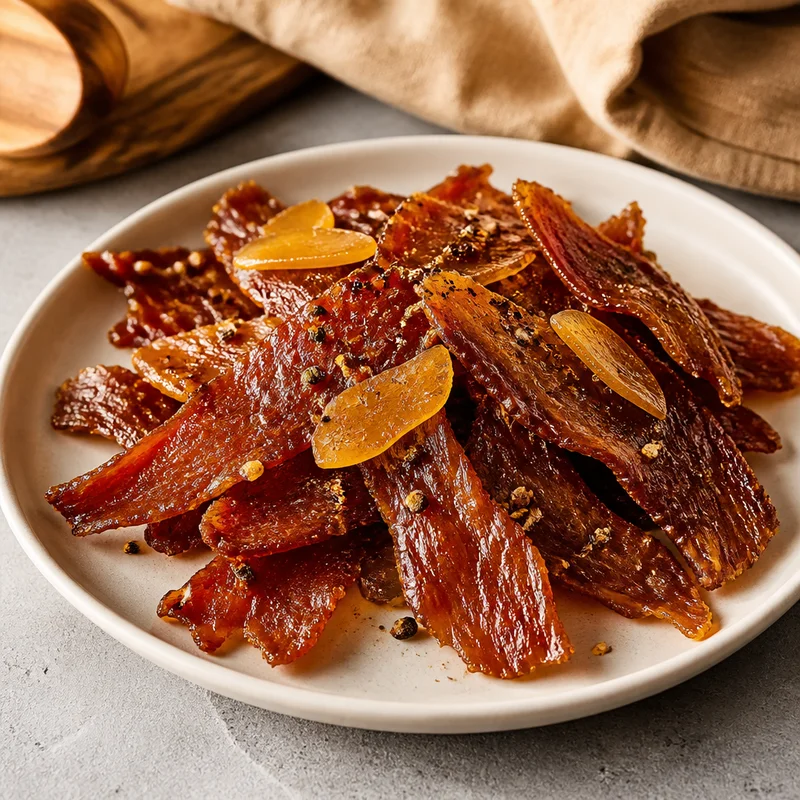
Lean chicken breast sliced paper-thin, soaked overnight in a salty-sweet soy, ginger and honey brine, then slow-dried until it's glossy, chewy and packed with flavor. Chicken makes a leaner, cleaner-tasting jerky than beef, and a quick high-heat finish takes it safely past 165°F so you can snack without worry. Oven or dehydrator both work.
Ingredients
Chicken
- 2 lb boneless skinless chicken breast
Marinade
- 1/2 cup low-sodium soy sauce
- 3 tbsp honey
- 2 tbsp unseasoned rice vinegar
- 1 tbsp Worcestershire sauce
- 1 tbsp fresh ginger, finely grated
- 3 cloves garlic, finely grated
- 2 tsp coarsely cracked black pepper
- 1 tsp smoked paprika
- 1 tsp gochugaru or crushed red pepper flakes
- 1 tsp kosher salt
- 1 tsp toasted sesame oil
Finishing (optional)
- 1 tbsp toasted sesame seeds
- 1/2 tsp cracked black pepper, for dusting
Instructions
- Place the chicken breasts on a plate or small sheet pan and freeze for 45 to 60 minutes, until the outside is firm and icy but a knife still sinks in easily. This is what makes thin, even slices possible.
- While the chicken firms up, whisk the soy sauce, honey, rice vinegar, Worcestershire, ginger, garlic, 2 teaspoons cracked pepper, smoked paprika, gochugaru, kosher salt and sesame oil in a bowl until the honey fully dissolves, about 1 minute.
- Trim away any fat, tendon or ragged bits from the chilled breasts — fat does not dry and will make the jerky go rancid. Using your sharpest knife, slice the chicken 1/8 to 1/4 inch thick, cutting lengthwise with the grain for classic chewy strips (slice across the grain if you prefer a more tender, snappy jerky). Aim for uniform thickness; thick pieces will still be wet when thin ones are done.
- Combine the chicken and marinade in a gallon zip-top bag, press out the air, and massage so every strip is coated. Refrigerate 8 to 24 hours, flipping the bag once or twice. Twelve hours is the sweet spot.
- Set two wire racks inside two rimmed baking sheets and lightly oil the racks. Drain the chicken in a colander, discard the marinade, then blot the strips firmly between layers of paper towels — surface moisture is the enemy of drying time. Lay the strips on the racks with at least 1/4 inch between them, not touching.
- Heat the oven to 175°F (or its lowest setting if it won't go that low) with convection on if you have it. Prop the oven door open 1 to 2 inches with the handle of a wooden spoon so moisture escapes instead of steaming the meat.
- Dry for 3 to 4 1/2 hours, swapping the pans between racks and flipping each strip at the 90-minute mark and again at 3 hours. Start checking at 3 hours: finished jerky is dry to the touch, darkened and leathery, and cracks along the bend when you fold a cooled piece without snapping in two. Pull individual strips as they finish.
- Food-safety finish: pile all the dried strips onto one rack, close the oven door, raise the temperature to 275°F and heat for 10 minutes. This carries the chicken past 165°F internally, which the USDA recommends for any poultry jerky.
- If using the optional finish, scatter the sesame seeds and extra cracked pepper over the hot jerky so they stick, then cool completely on the rack, about 1 hour.
- Condition the jerky: loosely pack it into a jar or paper bag and leave it at room temperature for 24 hours, shaking once or twice. Any remaining moisture equalizes between pieces. If you see condensation on the glass, spread the strips back on the rack and dry another 30 to 45 minutes at 175°F.
Chef's tips
- Dehydrator method: arrange the drained, blotted strips on trays and run at 160°F for 4 to 6 hours, rotating trays halfway, then finish in a 275°F oven for 10 minutes to guarantee the 165°F safety step.
- Two pounds of raw chicken shrinks to roughly 10 to 12 ounces of jerky — plan on about 2 ounces per person.
- Store conditioned jerky in a zip-top bag or jar with the air pressed out: 2 weeks at room temperature, 1 month in the fridge, 6 months frozen. Toss in a food-safe silica packet if you have one, and discard immediately if you ever see mold.
- Chicken thighs make richer jerky but carry more fat; if you use them, trim aggressively and expect a shorter shelf life — keep them refrigerated.
- For a spicier batch, add 1 tablespoon gochujang or sriracha to the marinade; for a smoky one, add 1/2 teaspoon liquid smoke. Don't add more honey, or the strips will stay tacky.
Nutrition (per serving, estimated)
199calories
33gprotein
9gcarbs
4gfat
Estimates only — values vary with brands and portions.
Made with Sprig
Ginger-Soy Chicken Jerky with Honey & Cracked Black Pepper was created in Sprig — the AI chef that turns any craving into a complete recipe, plans your week, and shops with one smart list.
Free to start · 14-day Pro trial · cancel anytime
Not ready yet? Get the occasional recipe worth cooking — a couple a month at most.
You're on the list — check your inbox!
Unsubscribe anytime. Privacy Policy
More from Sprig Originals
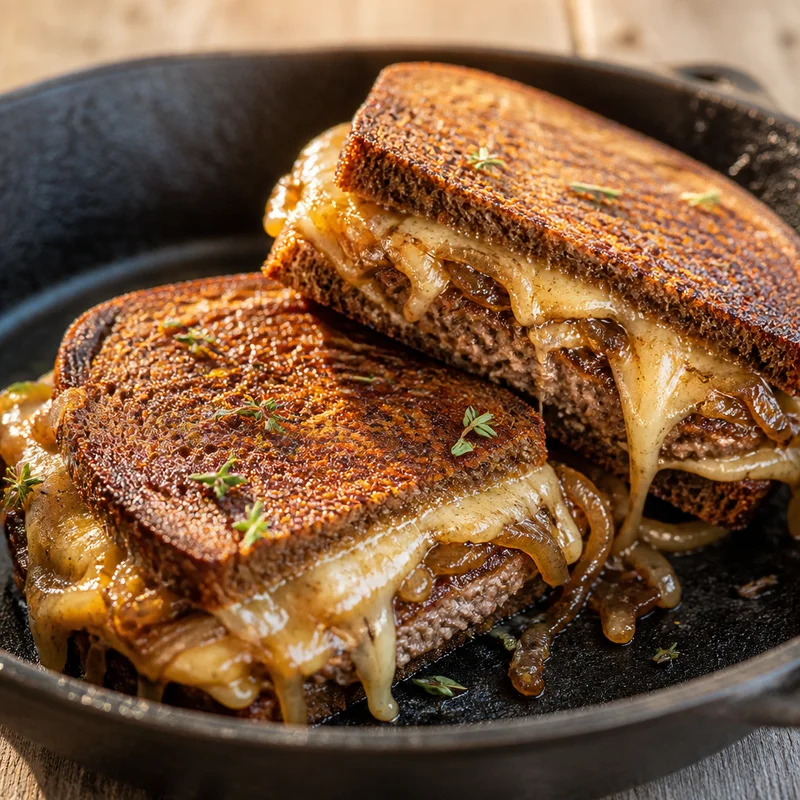
French Onion Patty Melts on Rye
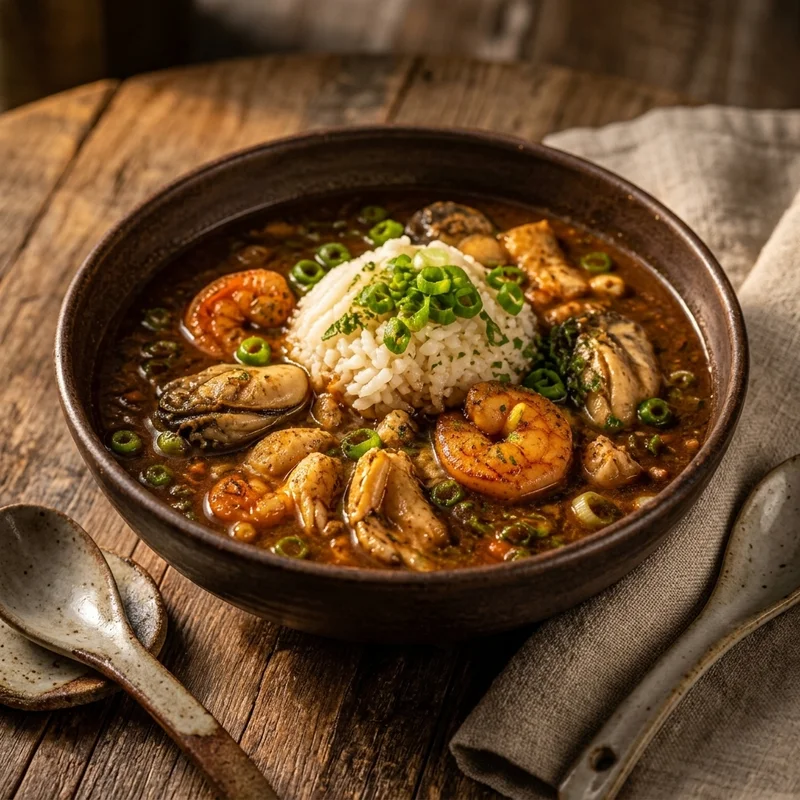
Dark Roux Seafood Gumbo with Quick Shrimp Stock
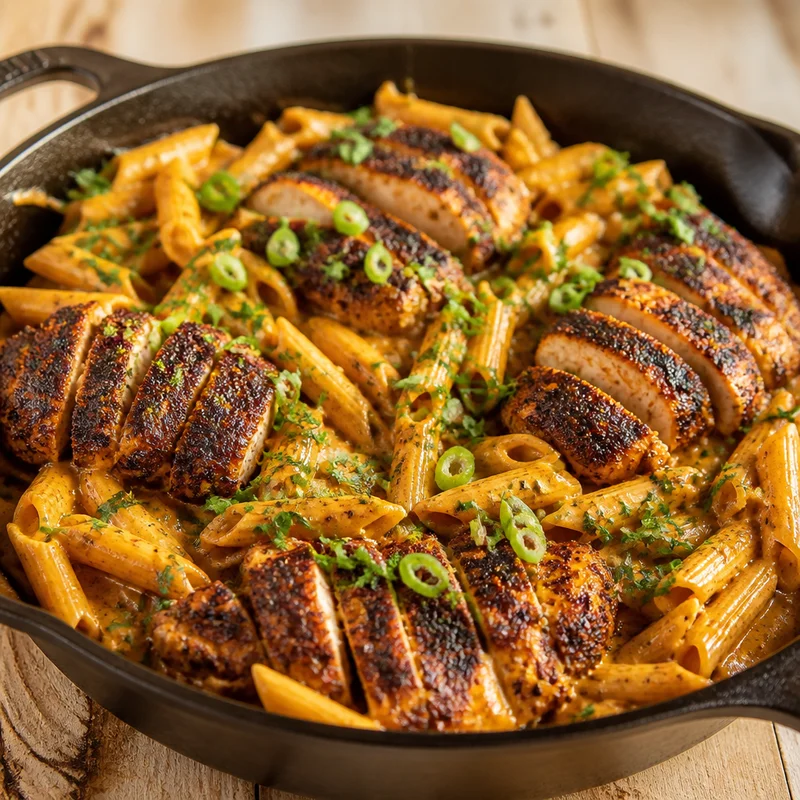
One-Skillet Blackened Cajun Chicken Pasta
Are you this recipe's original author or publisher? Report a problem