Sprig Originals's kitchen / Char Siu Rice Noodle Rolls with Sweet Soy
Char Siu Rice Noodle Rolls with Sweet Soy
 By Sprig Originals · cooked up in Sprig
Worked out from this recipe's ingredients. If you're cooking for an allergy, always read the full ingredient list.
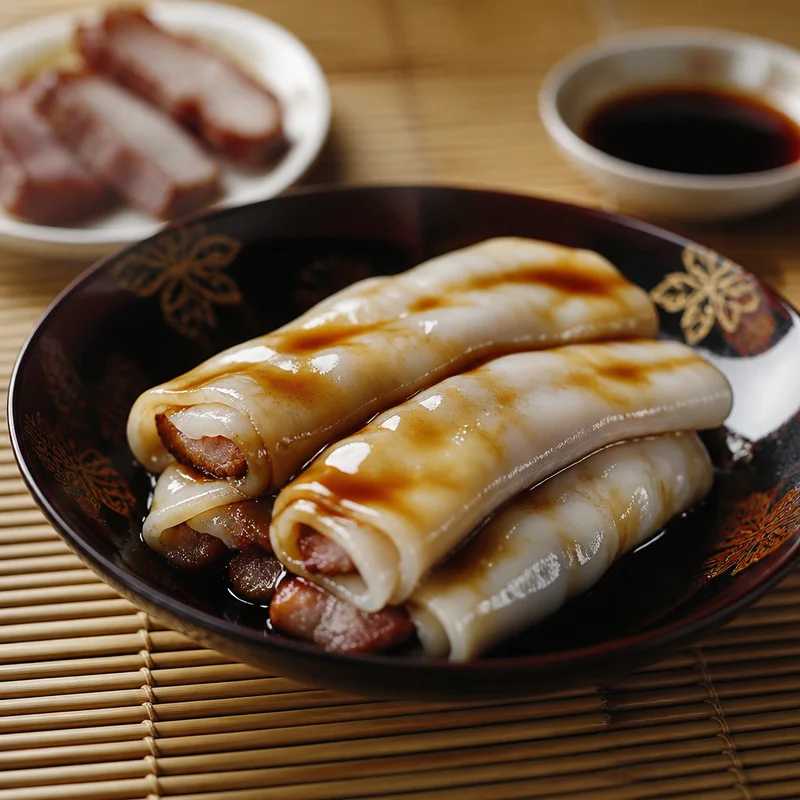
Silky sheet-steamed rice noodle rolls wrapped around barbecue pork and finished with a warm sweet soy sauce — the Cantonese barbecue-shop classic, made at home. The batter is the whole technique: a thin rice-flour slurry poured into an oiled metal pan and steamed for two minutes until it sets into a translucent sheet. Buy char siu from a Chinese barbecue counter (or use leftover roast pork) and the work is cut in half.
Ingredients
Rice Noodle Batter
- 1 1/4 cup white rice flour (150 g), not glutinous/sweet rice flour
- 3 tbsp tapioca starch (25 g)
- 2 tbsp cornstarch (20 g)
- 1/2 tsp kosher salt
- 2 1/4 cup cool water (540 ml)
- 1 tbsp neutral oil, plus more for greasing the pan
Filling
- 10 oz store-bought char siu (Chinese barbecue pork), thinly sliced then cut into 1/4-inch strips
- 3 scallions, thinly sliced
- 1 tbsp toasted sesame seeds
- 1/2 cup cilantro leaves, optional
Sweet Soy Sauce
- 1/3 cup water
- 3 tbsp light soy sauce
- 1 tsp dark soy sauce
- 1 tbsp granulated sugar
- 2 tsp oyster sauce
- 3 slice fresh ginger, smashed
- 1 scallion, white part, smashed
- 1/2 tsp toasted sesame oil
Instructions
- Make the batter first so it can rest: whisk the rice flour, tapioca starch, cornstarch and salt in a bowl or 4-cup measuring pitcher. Pour in the water in a steady stream while whisking until completely smooth with no lumps, then whisk in 1 tablespoon neutral oil. Let it sit 20 minutes. It should be as thin as heavy cream — if it coats a spoon thickly, whisk in 2 more tablespoons water.
- Set up the steamer: place a round rack or a ring of crumpled foil in the bottom of a large 12- to 14-inch wok, deep skillet or wide stockpot with a lid. Add 1 1/2 inches of water and bring to a hard boil over high heat. You want an 8-inch square or 8-inch round metal cake pan (light-colored aluminum is ideal) that sits on the rack with at least 1/2 inch of clearance around it and under the lid. Keep a kettle of hot water nearby to top up.
- Make the sauce while the water heats: combine the water, light soy, dark soy, sugar, oyster sauce, ginger and smashed scallion white in a small saucepan. Simmer over medium-low for 5 minutes, then remove from heat, stir in the sesame oil, and discard the ginger and scallion. Keep warm.
- Brush the metal pan generously with neutral oil, including the corners. Whisk the batter well — the starch settles fast and every single pour needs a re-whisk or your first rolls will be thick and the last ones will tear. Ladle in about 1/3 cup batter and tilt the pan so it coats the bottom in a thin, even layer roughly 1/16 to 1/8 inch deep. Pour off any excess.
- Scatter a small handful of char siu strips and a pinch of sliced scallion over the batter. Set the pan on the rack, cover, and steam over high heat for 2 to 3 minutes: the sheet is done when it turns translucent, looks slightly wrinkled or bubbled, and no milky white patches remain.
- Lift the pan out with tongs or oven mitts and set it on a rack or folded towel for 1 minute — a 60-second rest firms the sheet and is the difference between a clean roll and a torn one. Meanwhile, oil a second pan and start the next sheet if you have one, so the steamer never sits idle.
- Brush the surface of the sheet very lightly with oil. Using a thin metal bench scraper or offset spatula, loosen one edge and roll the sheet up on itself into a loose cylinder about 1 1/2 inches thick, then slide it onto an oiled platter and cut it in half crosswise. Don't roll it tight — the airy folds are what make cheung fun feel silky.
- Re-oil the pan and repeat with the remaining batter, whisking before each pour and topping up the steamer water with hot water as needed. You should get 7 to 9 rolls. Keep finished rolls loosely covered with foil; they stay pleasantly soft for about 20 minutes.
- To serve, pour the warm sweet soy sauce over and around the rolls, then shower with the remaining scallions, sesame seeds and cilantro. Serve immediately, while the noodles are warm and slippery — they firm up as they cool.
Chef's tips
- The two non-negotiables: whisk the batter before every pour, and steam over a hard rolling boil. Weak steam produces gummy sheets that refuse to release.
- No second pan? One works fine, but rinse it under cold water for 5 seconds and dry it between rolls — a screaming-hot pan sets the batter unevenly the moment it hits.
- If a sheet tears, it's either too thin (add 2 tablespoons rice flour to the batter) or under-steamed by 30 seconds. Torn sheets still taste great chopped into ribbons and tossed with the sauce.
- Char siu from a Chinese barbecue counter is the shortcut here, but sliced roast pork shoulder, leftover pork tenderloin glazed with hoisin, or even chopped shrimp all work.
- Leftovers turn firm in the fridge. Re-steam 3 to 4 minutes, or pan-fry the rolls in a little oil until blistered and serve with the sauce — arguably better than the original.
- Scale up by making a plain sheet with no filling, cutting it into 1-inch ribbons, and stir-frying with soy and bean sprouts for chow fun.
Nutrition (per serving, estimated)
487calories
22gprotein
68gcarbs
13gfat
Estimates only — values vary with brands and portions.
Made with Sprig
Char Siu Rice Noodle Rolls with Sweet Soy was created in Sprig — the AI chef that turns any craving into a complete recipe, plans your week, and shops with one smart list.
Free to start · 14-day Pro trial · cancel anytime
Not ready yet? Get the occasional recipe worth cooking — a couple a month at most.
You're on the list — check your inbox!
Unsubscribe anytime. Privacy Policy
More from Sprig Originals
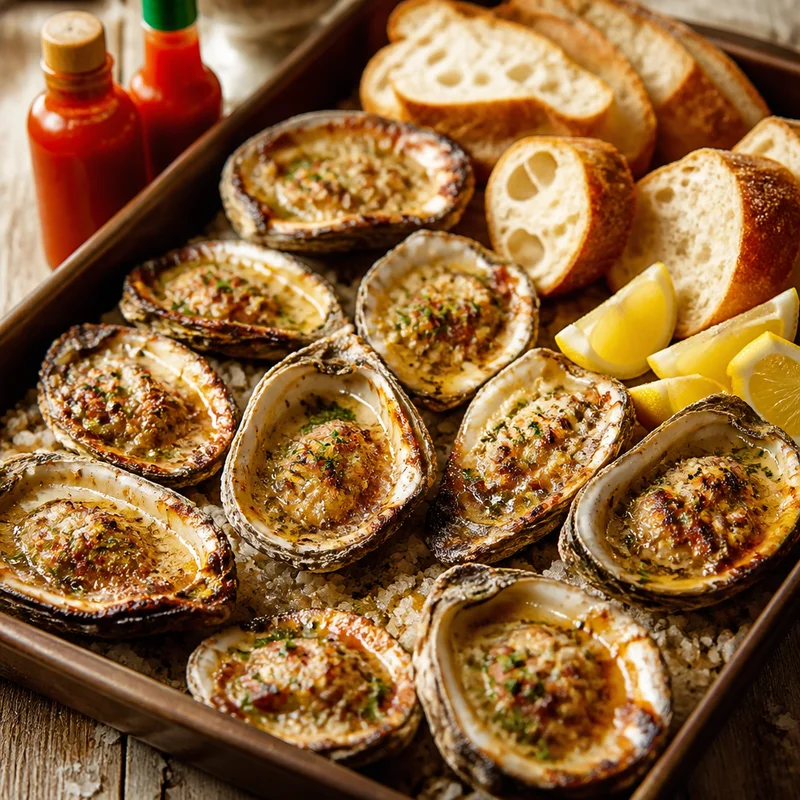
Char-Grilled Oysters with Garlic-Worcestershire Butter
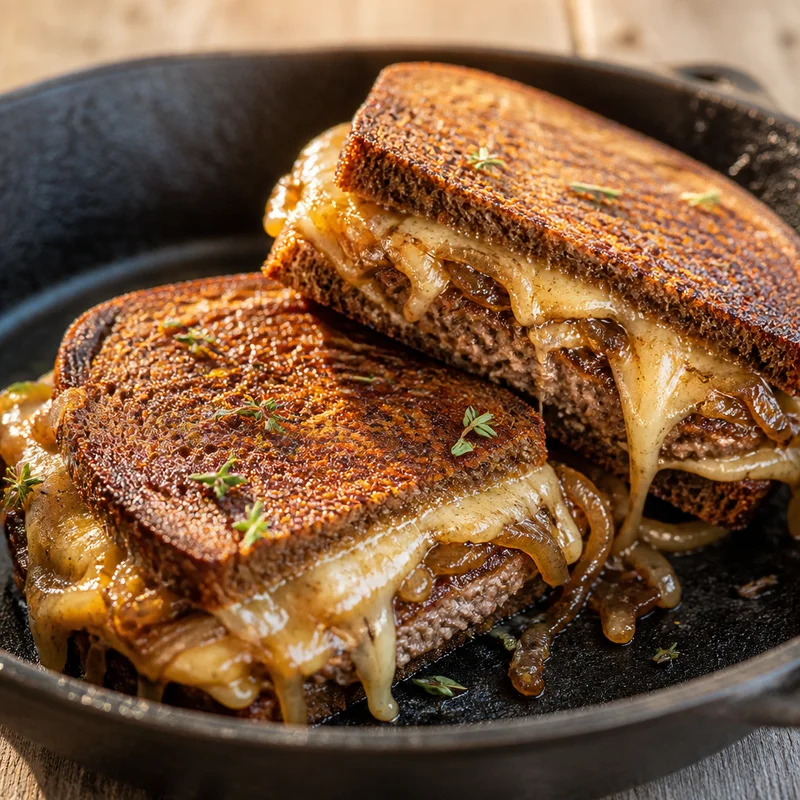
French Onion Patty Melts on Rye
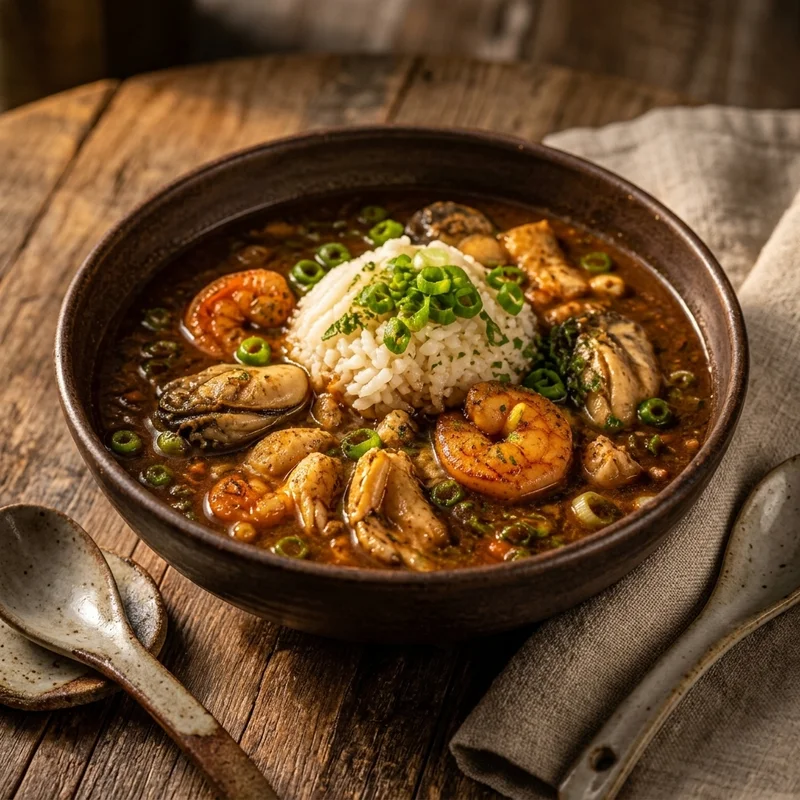
Dark Roux Seafood Gumbo with Quick Shrimp Stock
Are you this recipe's original author or publisher? Report a problem