Sprig Originals's kitchen / Sicilian Sparkling Lemonade (Limonata)
Sicilian Sparkling Lemonade (Limonata)
 By Sprig Originals · cooked up in Sprig
Worked out from this recipe's ingredients. If you're cooking for an allergy, always read the full ingredient list.
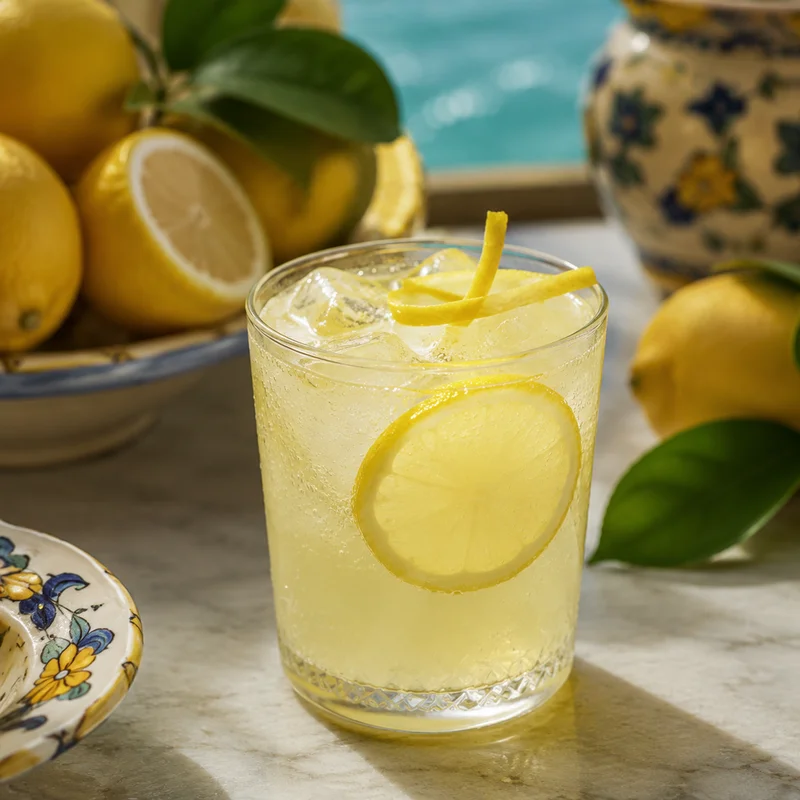
A crackling, coast-of-Sicily limonata that gets its depth from oleo saccharum — lemon peels macerated in sugar until they weep fragrant citrus oil. That perfumed syrup, fresh juice, a whisper of sea salt and ice-cold sparkling water make a lemonade that tastes far more aromatic than the sum of its parts: bracingly tart up front, floral in the finish, and never syrupy.
Ingredients
Lemon Oleo Saccharum (aromatic base)
- 8 large lemons, preferably thin-skinned and unwaxed
- 1 cup granulated sugar
- 1/4 teaspoon fine sea salt
To Finish
- 1/4 cup water (for loosening the syrup)
- 5 cups sparkling water or club soda, thoroughly chilled
- ice cubes, for serving
Optional Aromatics & Garnish
- 6 fresh basil or mint sprigs
- 1 blood orange or bergamot, zest and 2 tablespoons juice
- 6 thin lemon wheels
Equipment Note
- 1 vegetable peeler and fine-mesh strainer
Instructions
- Scrub the lemons under warm water and dry them well — you want the peel clean, since it does most of the flavor work. Using a vegetable peeler, remove the zest of 6 lemons in wide strips, pressing lightly so you take only the yellow layer and leave the bitter white pith behind. Reserve all 8 lemons for juicing.
- Put the peels in a bowl or quart jar with the 1 cup sugar and 1/4 teaspoon sea salt. Muddle and squeeze the sugar into the peels with a wooden spoon or clean hands for a full 2 minutes, until the peels look bruised and the sugar turns damp and faintly yellow.
- Cover and let sit at room temperature 2 to 4 hours, or refrigerate overnight (up to 24 hours) for the most fragrant result. The sugar will draw out lemon oil and largely dissolve into a thick, glossy syrup pooled in the bottom of the bowl.
- Juice all 8 lemons through a fine-mesh strainer; you want about 1 1/4 cups fresh juice. Keep it cold.
- Add the 1/4 cup water to the oleo saccharum and stir 1 to 2 minutes until any remaining sugar crystals dissolve. If stubborn crystals remain, warm the mixture in a small saucepan over low heat for 3 to 5 minutes, stirring, without letting it simmer — boiling dulls the fresh citrus perfume. Cool to room temperature.
- Strain the syrup through a fine-mesh strainer into a pitcher, pressing hard on the peels with the back of a spoon to extract every drop, then discard the peels. Stir in the lemon juice (and the blood orange zest and juice, if using). You now have about 2 cups of limonata concentrate.
- Refrigerate the concentrate at least 30 minutes, until very cold. It keeps, covered, up to 5 days and only gets more aromatic on day two.
- To serve, fill tall glasses with ice. Pour 1/3 cup concentrate into each glass, then top with about 3/4 cup ice-cold sparkling water, pouring down the side of the glass to preserve the bubbles. Stir once, gently, with a bar spoon.
- Taste and adjust: another splash of soda if you want it lighter, a spoonful of concentrate if you want it sharper. Garnish with a lemon wheel and a slapped basil or mint sprig, and serve immediately while it is still fizzing hard.
- For a pitcher service, combine the chilled concentrate and sparkling water in a large pitcher just before guests arrive, stir twice, and pour over ice within 15 minutes so the carbonation holds.
Chef's tips
- Buy unwaxed or organic lemons if you can — wax dulls the oil extraction. If yours are waxed, scrub them under hot water with a little kosher salt on a cloth before peeling.
- Never let the peeler bite into the white pith. Pith carries bitterness that no amount of sugar will fix, and it is the single most common reason a homemade lemonade tastes harsh.
- Meyer lemons are sweeter and more floral: if using them, cut the sugar to 3/4 cup and expect a rounder, less bracing drink.
- Chilled sparkling water is non-negotiable — warm soda loses half its carbonation the instant it hits ice.
- The concentrate is a workhorse. Freeze it in an ice cube tray, then blend the cubes with a splash of soda for an instant granita-style lemon slush.
- For a savory, very Sicilian twist, add 2 strips of peel from a green olive-oil-cured lemon or a single crushed fennel seed to the oleo saccharum during maceration.
Nutrition (per serving, estimated)
142calories
1gprotein
38gcarbs
0gfat
Estimates only — values vary with brands and portions.
Made with Sprig
Sicilian Sparkling Lemonade (Limonata) was created in Sprig — the AI chef that turns any craving into a complete recipe, plans your week, and shops with one smart list.
Free to start · 14-day Pro trial · cancel anytime
Not ready yet? Get the occasional recipe worth cooking — a couple a month at most.
You're on the list — check your inbox!
Unsubscribe anytime. Privacy Policy
More from Sprig Originals
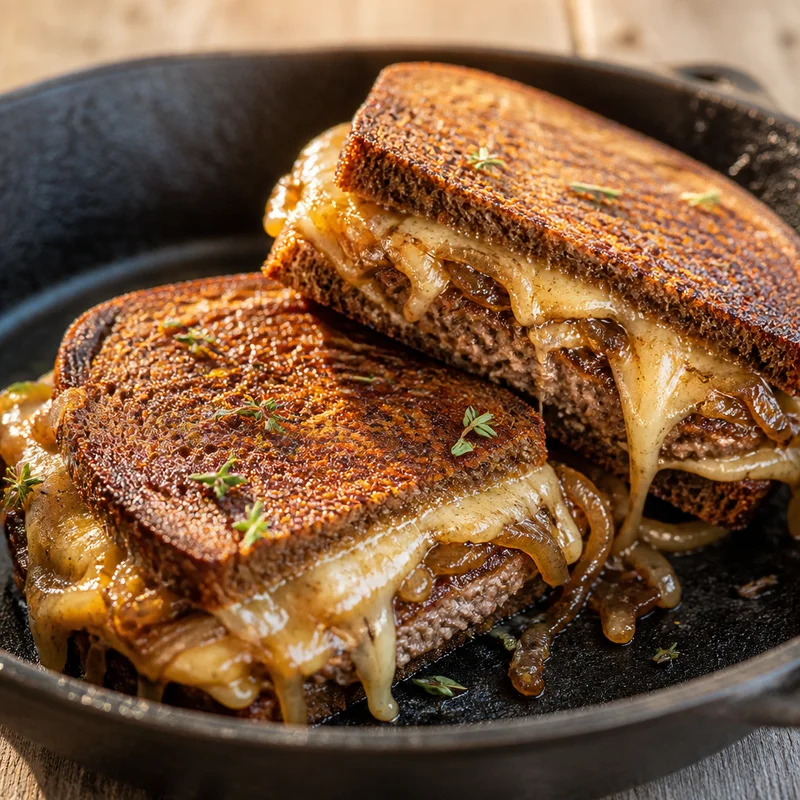
French Onion Patty Melts on Rye
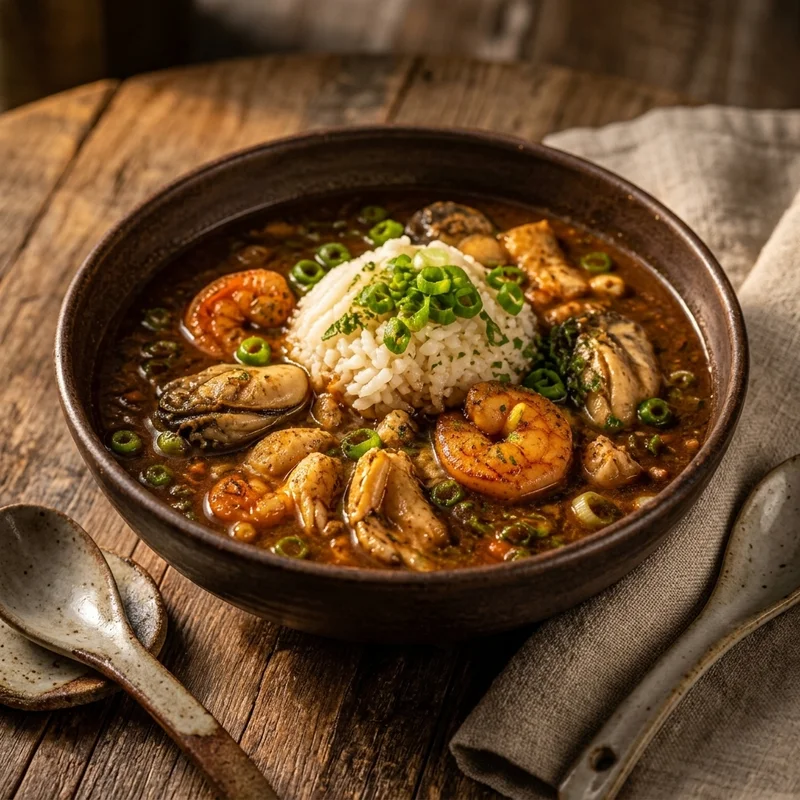
Dark Roux Seafood Gumbo with Quick Shrimp Stock
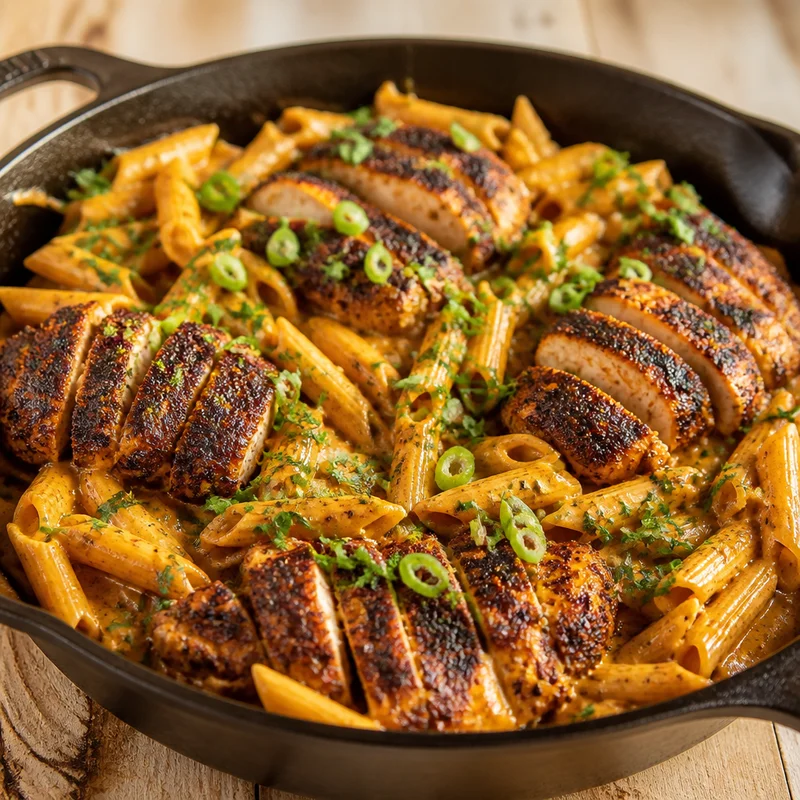
One-Skillet Blackened Cajun Chicken Pasta
Are you this recipe's original author or publisher? Report a problem