Sprig Originals's kitchen / Overnight No-Knead Baguettes with a Crackly Crust
Overnight No-Knead Baguettes with a Crackly Crust
 By Sprig Originals · cooked up in Sprig
Worked out from this recipe's ingredients. If you're cooking for an allergy, always read the full ingredient list.
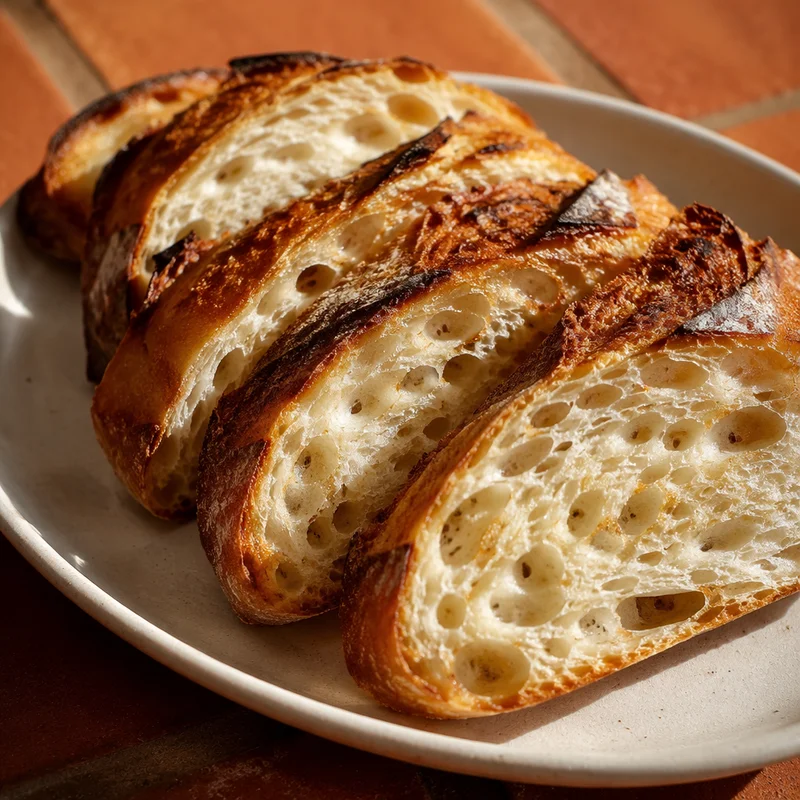
A three-ingredient bakery baguette you can actually pull off at home: a wet, no-knead dough that ferments overnight in the fridge for deep wheat flavour, then bakes on a screaming-hot sheet pan under a burst of steam. You get the shattering crust, blistered skin and open, custardy crumb without a deck oven, a mixer, or a single minute of kneading. Makes three home-oven-length loaves.
Ingredients
Dough
- 500 g bread flour (about 4 cups, spooned and levelled)
- 375 g cool water, about 65°F (1 1/2 cups plus 1 tablespoon)
- 10 g fine sea salt (1 3/4 teaspoons)
- 1/2 tsp instant yeast (1.5 g)
- 1/2 tsp diastatic malt powder or honey (optional, for colour)
For shaping and baking
- 3 tbsp rice flour or all-purpose flour, for dusting
- 1 cup ice cubes
- semolina or cornmeal, for the baking sheet
Instructions
- Day 1, mix the dough (5 minutes of work): In a large bowl, whisk together the 500 g bread flour, 1/2 teaspoon instant yeast, and the optional malt powder. Add the 375 g cool water and stir with a stiff spatula or your hand until no dry flour remains — it will be a shaggy, sticky mass. Do not knead. Cover and let it sit at room temperature for 30 minutes so the flour hydrates.
- Sprinkle the 10 g salt over the dough and squeeze it in with a wet hand, folding the dough over itself 10 to 12 times until the salt disappears and the mass tightens slightly. Cover the bowl.
- Do three sets of stretch-and-folds, 30 minutes apart: with a wet hand, lift one side of the dough up until it stretches, fold it over the centre, and rotate the bowl a quarter turn; repeat four times per set. After the third set the dough should feel smooth, elastic and slightly domed. Total elapsed time so far: about 2 hours.
- Cover the bowl tightly (or transfer to a lidded 2-quart container) and refrigerate for 12 to 18 hours. The dough will rise by about half and develop a bubbly, faintly winey aroma — that cold sleep is where the flavour comes from.
- Day 2, divide: Flour your counter generously. Scrape the cold dough out in one piece, trying not to deflate it, and pat it into a rough 8 x 6-inch rectangle. Cut it into three equal strips with a bench scraper or dough cutter (each about 295 g if you weigh them).
- Pre-shape each piece: fold the top third down to the centre, press the seam with your fingertips, then fold the bottom third up and press again to make a loose 6-inch log, seam side down. Cover with a floured towel and rest 45 to 60 minutes, until the dough is no longer fridge-cold and feels relaxed and puffy.
- Shape the baguettes: Working with one log at a time, seam side up, gently degas it into a 6 x 5-inch rectangle. Fold the far edge to the middle and seal, then fold the near edge over to meet it and seal the seam firmly with the heel of your hand. Roll the cylinder under your palms, moving outward from the centre with light pressure, until it is 13 to 14 inches long with tapered ends — no longer than your baking sheet.
- Line a rimmed baking sheet (or a baguette pan) with parchment and dust with semolina. Set the loaves seam side down, 3 inches apart. If you have no baguette pan, prop rolled-up kitchen towels along the outer sides of the parchment to cradle the loaves and keep them round. Dust the tops lightly with rice flour and cover loosely with a towel or oiled plastic.
- Proof 45 to 75 minutes at room temperature, until the loaves are visibly puffed and a fingertip press springs back slowly, leaving a faint dent. Meanwhile, set a rack in the lower-middle of the oven, place a heavy empty skillet or metal roasting pan on the oven floor or lowest rack, and set a second inverted heavy baking sheet or baking steel on the middle rack. Heat to 475°F for a full 45 minutes.
- Score: Just before baking, hold a razor blade or very sharp thin knife at a 25-degree angle — almost flat to the dough — and cut three or four overlapping slashes 1/4 inch deep down the length of each loaf, each running slightly off-centre and parallel to the loaf, not across it. Move confidently; hesitation drags the dough.
- Load and steam: Slide the parchment with the loaves directly onto the preheated inverted sheet or steel. Immediately toss the cup of ice cubes into the hot skillet below and shut the door fast. Bake 12 minutes with steam.
- Carefully remove the skillet (or slide it aside) and vent any remaining steam, rotate the pan front to back, and bake another 10 to 14 minutes at 475°F, until the crust is deep reddish brown with blistered patches and the loaves sound hollow when tapped on the bottom. Internal temperature should read 205 to 210°F.
- Cool on a wire rack for at least 25 minutes before cutting. You should hear the crust crackle and tick as it cools — that is the sound of a good bake. Slicing hot will gum the crumb.
- Serve the same day, ideally within 6 hours. To revive a day-old baguette, run it briefly under water and bake at 400°F for 6 to 8 minutes.
Chef's tips
- Weigh your ingredients. At 75% hydration, an extra 1/4 cup of flour from scooping turns an open, holey crumb into sandwich bread.
- Keep one hand dry for handling the bowl and dough scraper and wet the other for touching the dough — that alone makes sticky dough manageable without adding flour.
- No baguette pan? Two rolled kitchen towels under the parchment edges act as walls, or bake two loaves at a time in the channels of a folded, heavily creased sheet of parchment.
- For an even louder crust, bake the loaves 5 minutes longer than looks necessary. Pale baguettes taste flat; the flavour lives in the dark caramelised patches.
- If your kitchen is above 78°F, shorten the room-temperature proof to 40 minutes and watch the dough, not the clock — over-proofed baguettes spread flat and tear at the scores.
- The dough can stay refrigerated up to 24 hours; past that the gluten weakens and the loaves lose their spring. You can also freeze fully baked, cooled loaves and refresh from frozen at 375°F for 15 minutes.
Nutrition (per serving, estimated)
291calories
10gprotein
60gcarbs
1gfat
Estimates only — values vary with brands and portions.
Made with Sprig
Overnight No-Knead Baguettes with a Crackly Crust was created in Sprig — the AI chef that turns any craving into a complete recipe, plans your week, and shops with one smart list.
Free to start · 14-day Pro trial · cancel anytime
Not ready yet? Get the occasional recipe worth cooking — a couple a month at most.
You're on the list — check your inbox!
Unsubscribe anytime. Privacy Policy
More from Sprig Originals
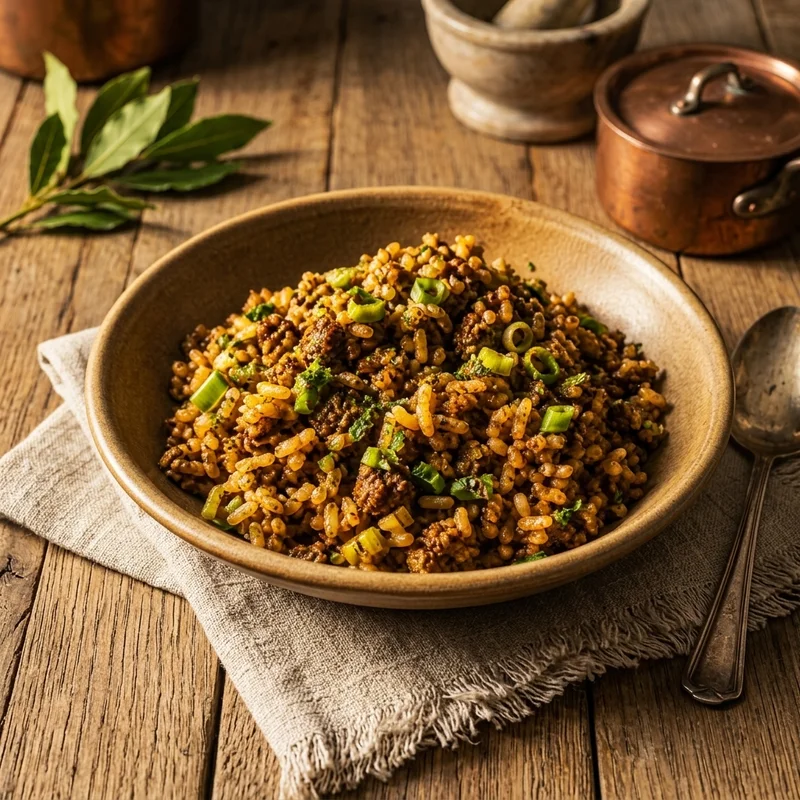
South Louisiana Rice Dressing (Dirty Rice)
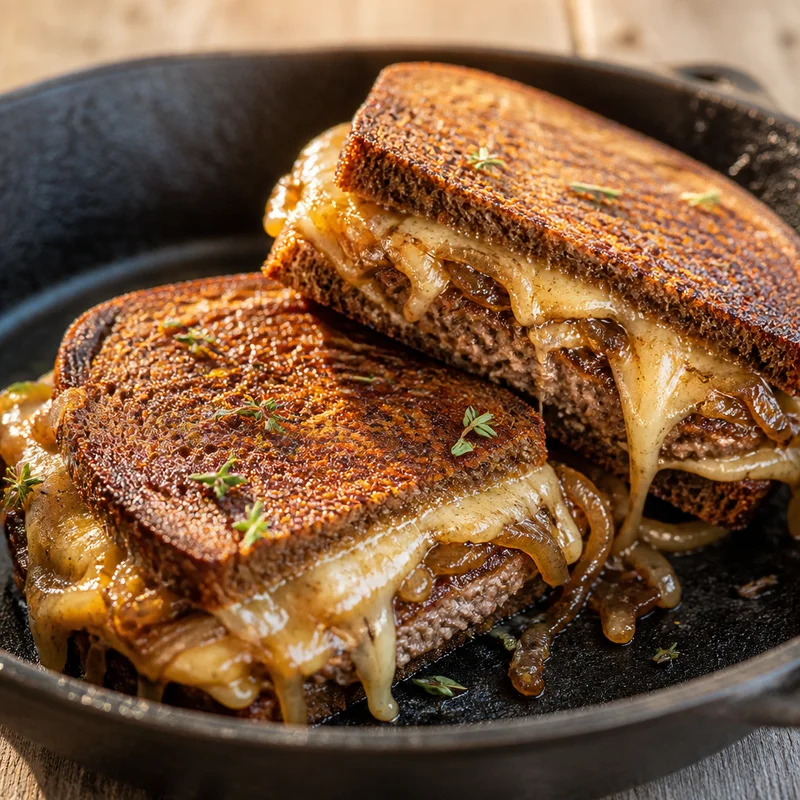
French Onion Patty Melts on Rye

Dark Roux Seafood Gumbo with Quick Shrimp Stock
Are you this recipe's original author or publisher? Report a problem