Sprig Originals's kitchen / Strawberry Kombucha (Two-Stage Home Ferment)
Strawberry Kombucha (Two-Stage Home Ferment)
 By Sprig Originals · cooked up in Sprig
Worked out from this recipe's ingredients. If you're cooking for an allergy, always read the full ingredient list.
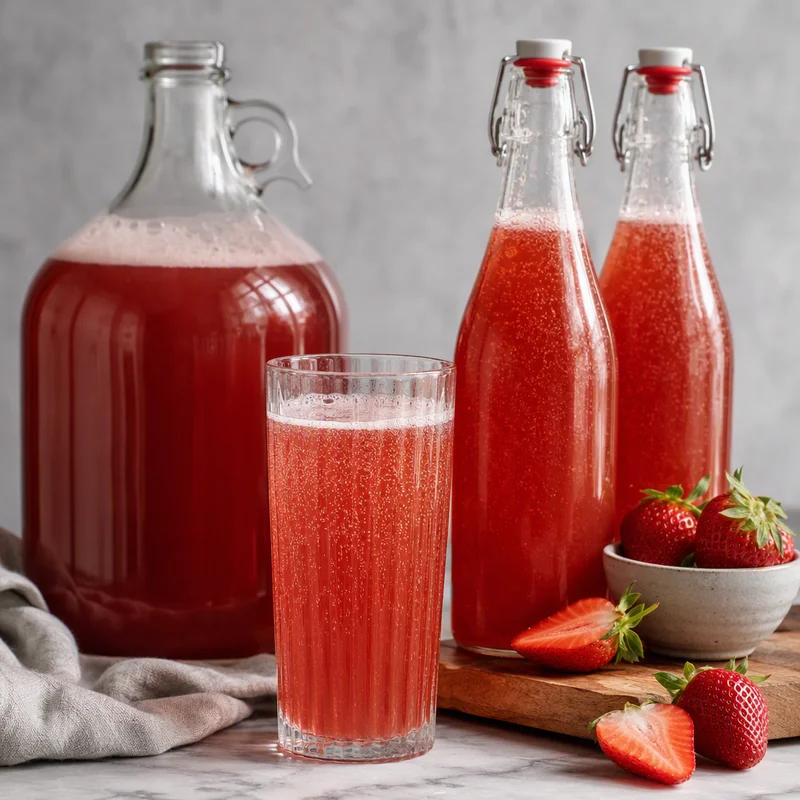
A gallon of homemade kombucha built the way the good bottled stuff is: a long, patient first ferment on strong black sweet tea, then a short second ferment in sealed bottles with fresh strawberry purée that turns the fruit sugar into fine, dry, champagne-like bubbles. Tart, faintly funky, ripe-strawberry pink, and essentially non-alcoholic (trace levels, like any raw kombucha). All you need is a wide glass jar, a SCOBY with starter liquid, and a couple of weeks of counter space.
Ingredients
Sweet Tea Base (First Ferment)
- 14 cups filtered or spring water, divided
- 1 cup granulated white sugar
- 8 bags plain black tea bags (or 2 tablespoons loose-leaf black tea)
- 2 bags plain green tea bags (optional, for a lighter finish)
Culture
- 1 kombucha SCOBY (about 4 inches across)
- 2 cups unflavored starter kombucha (strong, unpasteurized, from a previous batch or a plain raw store-bought bottle)
Strawberry Second Ferment
- 1 1/2 lb ripe strawberries, hulled
- 2 tablespoons granulated sugar
- 1 tablespoon fresh lemon juice
- 4 strips lemon zest, wide strips, no white pith (optional)
- 1 teaspoon finely grated fresh ginger (optional)
Instructions
- Sanitize your gear: a 1-gallon (or larger) wide-mouth glass jar, a long-handled non-metal spoon, a funnel, and 6 to 8 swing-top or thick-walled 16-ounce bottles. Wash everything in hot soapy water, rinse thoroughly, and rinse again with a splash of plain distilled white vinegar. Do not use soap residue or antibacterial cleaners near the culture, and skip metal or crockery vessels for fermenting.
- Bring 4 cups of the filtered water to a boil in a nonreactive pot (stainless steel is fine for boiling). Remove from heat, stir in the 1 cup sugar until fully dissolved, then add the black tea bags and the green tea bags if using. Steep 12 to 15 minutes, then lift out and discard the tea, squeezing gently.
- Pour the hot sweet tea into your sanitized gallon jar and top with the remaining 10 cups cool filtered water. Let it sit until the liquid reaches 85°F or below on an instant-read thermometer — typically 1 to 2 hours, or 30 minutes if you use ice-cold water. Anything hotter than 90°F can kill the culture, so verify with a thermometer rather than guessing.
- Add the 2 cups starter kombucha and stir with the non-metal spoon. Slide the SCOBY in with clean hands; it may float, sink, or hover sideways — all are normal. Cover the jar mouth with a tight-woven cloth or coffee filter secured with a rubber band (never an airtight lid at this stage).
- Ferment at 72°F to 78°F, out of direct sunlight, undisturbed, for 7 to 14 days. A new baby SCOBY will form as a pale film across the surface within 3 to 7 days; brown yeast strands hanging below are healthy. Begin tasting on day 7 by pulling a little liquid from the side with a clean straw.
- Judge by taste: it's ready when it's pleasantly tart with only a whisper of sweetness left, like a sharp apple cider. Cooler kitchens take longer (up to 18 days in winter); at 80°F it can be done in 6. If you use pH strips, aim for 2.6 to 3.2.
- Wash your hands, lift out the SCOBY plus the new layer onto a clean plate, and ladle 2 cups of the finished kombucha over it to reserve as the starter for your next batch. Cover loosely and leave at room temperature.
- Make the strawberry purée: blend the hulled strawberries with the 2 tablespoons sugar and the lemon juice until completely smooth, about 45 seconds. For a cleaner, seed-free bottle, press the purée through a fine-mesh sieve; you should have about 1 1/2 cups of juice-purée.
- Divide the purée among your bottles — roughly 3 tablespoons per 16-ounce bottle, about a 10 percent fill. Drop in a strip of lemon zest and a pinch of grated ginger if using. Funnel in the finished kombucha, leaving 1 1/2 inches of headspace, then seal tightly.
- Second ferment at room temperature (70°F to 76°F) for 2 to 4 days. "Burp" each bottle once a day by cracking the seal over the sink until you hear a hiss, then resealing — this both releases dangerous excess pressure and tells you how the carbonation is coming along. Once a burp gives a sharp, sustained hiss and the liquid fizzes up, it's done.
- Refrigerate the bottles for at least 8 hours (overnight is better) to halt fermentation and lock in the bubbles. Chill thoroughly before opening — warm kombucha gushes.
- Open cold bottles slowly over the sink. Pour into glasses over ice, leaving the settled fruit pulp behind, or swirl it in for a hazier, fuller drink. Drink within 2 weeks; the flavor keeps sharpening in the fridge.
- Start the next batch within a week: brew a new gallon of sweet tea, cool it below 85°F, and add your reserved SCOBY and its 2 cups of starter liquid. Peel off and compost or share the extra SCOBY layer when the stack gets thicker than about an inch.
Chef's tips
- Use only plain, unflavored, non-oiled tea for the first ferment. Earl Grey, chai, and other oil-scented teas will slowly damage the SCOBY. Herbal-only tea won't work at all — the culture needs real Camellia sinensis.
- Don't reduce the sugar: it feeds the culture, not you. By the time the first ferment finishes, most of it has been consumed, and the strawberry purée sugar in the second ferment gets eaten too.
- Chlorine harms the culture. If you only have tap water, boil it for 15 minutes and cool completely, or leave it uncovered overnight before brewing.
- Mold looks like fuzzy, dry, raised blue-green-black spots sitting on top of the SCOBY, and it means you discard the whole batch and culture. Flat brown patches, bumps, translucent films, and dangling yeast strands are all normal and safe.
- Bottle strength matters. Use swing-top bottles or heavy-walled soda bottles designed for carbonation — thin decorative or repurposed wine bottles can fail under pressure. Plastic soda bottles are the safest way to learn: squeeze one to feel the carbonation without opening it.
- Freezer strawberries work well off-season and often release more juice; thaw and blend as usual. If your berries are pale, add an extra teaspoon of sugar to power the fizz.
- Kombucha naturally develops trace alcohol, usually under 0.5% ABV. Keep second ferments short and refrigerate promptly to keep it low.
Nutrition (per serving, estimated)
28calories
0gprotein
7gcarbs
0gfat
Estimates only — values vary with brands and portions.
Made with Sprig
Strawberry Kombucha (Two-Stage Home Ferment) was created in Sprig — the AI chef that turns any craving into a complete recipe, plans your week, and shops with one smart list.
Free to start · 14-day Pro trial · cancel anytime
Not ready yet? Get the occasional recipe worth cooking — a couple a month at most.
You're on the list — check your inbox!
Unsubscribe anytime. Privacy Policy
More from Sprig Originals
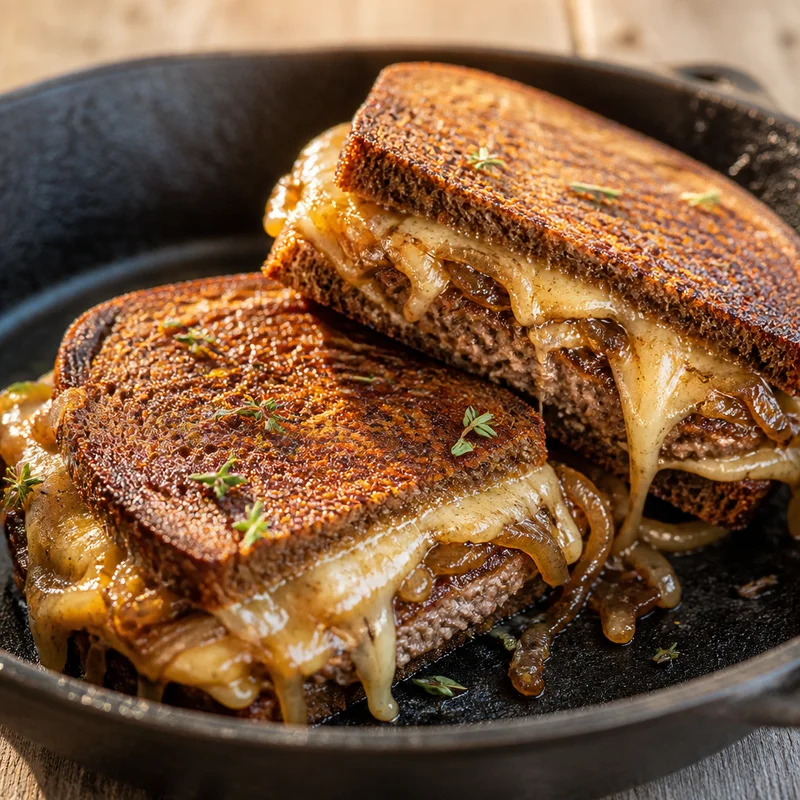
French Onion Patty Melts on Rye
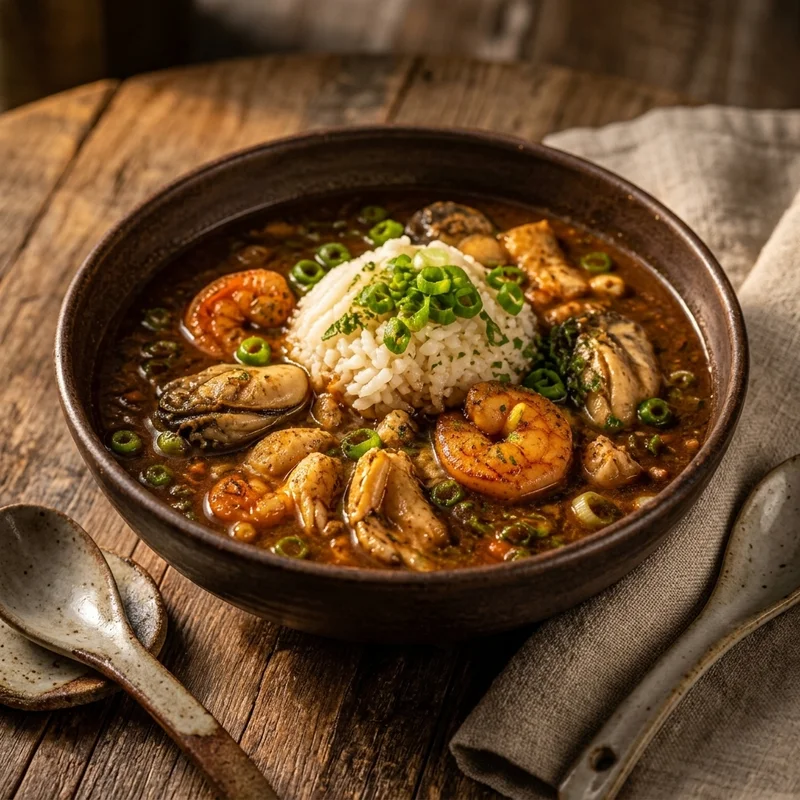
Dark Roux Seafood Gumbo with Quick Shrimp Stock
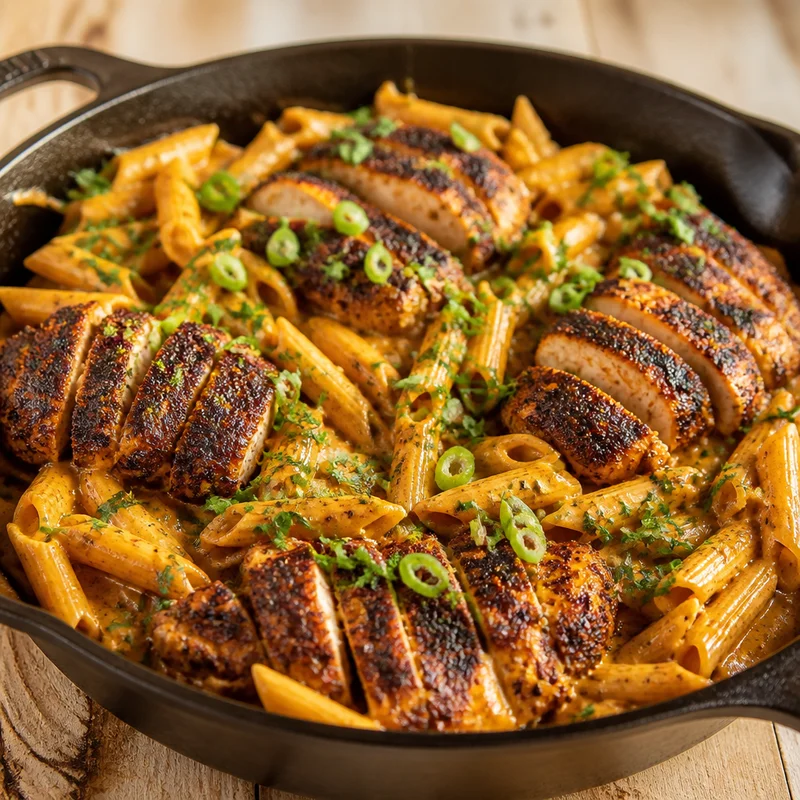
One-Skillet Blackened Cajun Chicken Pasta
Are you this recipe's original author or publisher? Report a problem