Sprig Originals's kitchen / Golden Habanero Mango Hot Sauce
Golden Habanero Mango Hot Sauce
 By Sprig Originals · cooked up in Sprig
Worked out from this recipe's ingredients. If you're cooking for an allergy, always read the full ingredient list.
A pourable, sunset-orange table sauce that leads with habanero heat and lets ripe mango carry it rather than cover it. Roasting the chiles, carrot and onion first knocks the raw green edge off the peppers and builds a deep, almost tropical sweetness, while cider vinegar and lime keep it bright, shelf-stable in the fridge and thin enough to shake out of a bottle. Makes about two 8-ounce bottles.
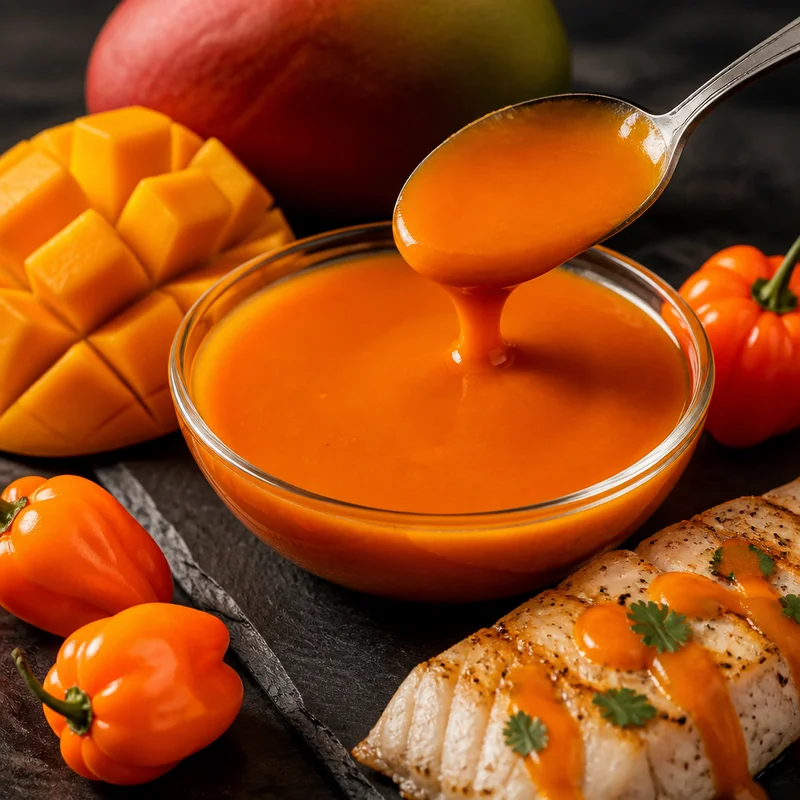
Ingredients
Chiles and fruit
- 10 fresh habanero chiles (about 2 oz), stems removed
- 1 large ripe mango, peeled and cut into chunks (about 1 1/2 cups)
- 1 medium carrot, peeled and cut into 1-inch coins
Aromatics and liquid
- 1/2 medium yellow onion, cut into thick wedges
- 4 garlic cloves, unpeeled
- 1 tbsp neutral oil, such as grapeseed or canola
- 3/4 cup apple cider vinegar (5% acidity)
- 1/2 cup water, plus more as needed
- 2 tbsp fresh lime juice
Seasoning
- 1 tbsp honey or light brown sugar
- 1 1/2 tsp fine sea salt
- 1/4 tsp ground allspice
- 1/4 tsp ground turmeric (for color)
Instructions
- Put on disposable gloves before touching the habaneros, and keep your hands away from your face for the rest of the prep. Heat the oven to 425°F. Halve the habaneros lengthwise; for a fierce sauce leave them whole-ish with seeds, for a merely hot sauce scrape out the seeds and pale ribs with the tip of a spoon.
- Toss the habaneros, carrot coins, onion wedges and unpeeled garlic cloves with the tablespoon of oil and a pinch of the salt. Spread on a foil-lined sheet pan in a single layer, keeping the garlic toward the center so it doesn't scorch.
- Roast for 18 to 22 minutes, turning everything once at the halfway mark, until the onion edges are browned, the carrots are tender enough to pierce with a fork and the chile skins are blistered in spots. Open a window or run the hood fan — roasting habaneros makes the air spicy.
- Let the pan cool for 5 minutes, then squeeze the garlic out of its skins. Scrape everything, including any juices on the foil, into a saucepan.
- Add the mango, cider vinegar, water, honey, allspice, turmeric and the remaining salt. Bring to a simmer over medium heat, then reduce to low and cook uncovered for 12 to 15 minutes, stirring now and then, until the carrot mashes easily against the side of the pan and the mango has broken down.
- Cool for 10 minutes, then transfer to a blender. Blend on high for a full 60 to 90 seconds — the long blend is what makes the sauce glossy rather than grainy. Vent the lid with a folded towel over it and start on low so the hot liquid doesn't push the lid off, and stand back from the fumes when you first open it.
- Add the lime juice and blend 10 seconds more. Check the consistency: it should pour like thin ketchup. Blend in water 1 tablespoon at a time until it flows off a spoon in a steady stream.
- For a silky table sauce, press the purée through a fine-mesh sieve with a flexible spatula, discarding the bit of fiber left behind. Skip this if you like a thicker, more rustic sauce.
- Taste with a very small spoon and a piece of bread nearby. Adjust with more salt for depth, more honey to round the burn, or a splash more vinegar if it tastes flat or too sweet.
- Funnel into two clean 8-ounce bottles or jars while still warm, seal, and cool to room temperature before refrigerating. The heat and flavor settle and improve after 2 days.
Chef's tips
- Habanero oils cling to plastic and skin. Wear gloves, use a dedicated cutting board, and wash the blender jar with hot soapy water twice — the second wash is the one that gets the capsaicin.
- Heat dial: 10 habaneros with seeds is genuinely hot; 6 seeded chiles gives a sauce most people can pour freely. You can also swap 2 of the habaneros for a red bell pepper to keep the volume and color while dropping the burn.
- The roasted carrot is structural, not filler — it gives the sauce body so it clings to food without any cornstarch or gum.
- With 3/4 cup of 5% vinegar in this volume the sauce is comfortably acidic; it keeps in the fridge for 3 months in a sealed bottle. This is a refrigerator sauce, not a shelf-stable canned one, so don't water it down for storage.
- Use frozen mango chunks (about 10 oz, thawed) out of season — they're picked ripe and are often better than a hard supermarket mango. Skip the roasting step for the mango either way; it goes in at the simmer.
- Beyond tacos and eggs: whisk a tablespoon into mayonnaise for sandwiches, or thin it with a little oil and lime as a marinade for grilled chicken thighs and shrimp.
Nutrition (per serving, estimated)
14calories
0gprotein
3gcarbs
1gfat
Estimates only — values vary with brands and portions.
Made with Sprig
Golden Habanero Mango Hot Sauce was created in Sprig — the AI chef that turns any craving into a complete recipe, plans your week, and shops with one smart list.
Free to start · 14-day Pro trial · cancel anytime
Not ready yet? Get the occasional recipe worth cooking — a couple a month at most.
You're on the list — check your inbox!
Unsubscribe anytime. Privacy Policy
More from Sprig Originals
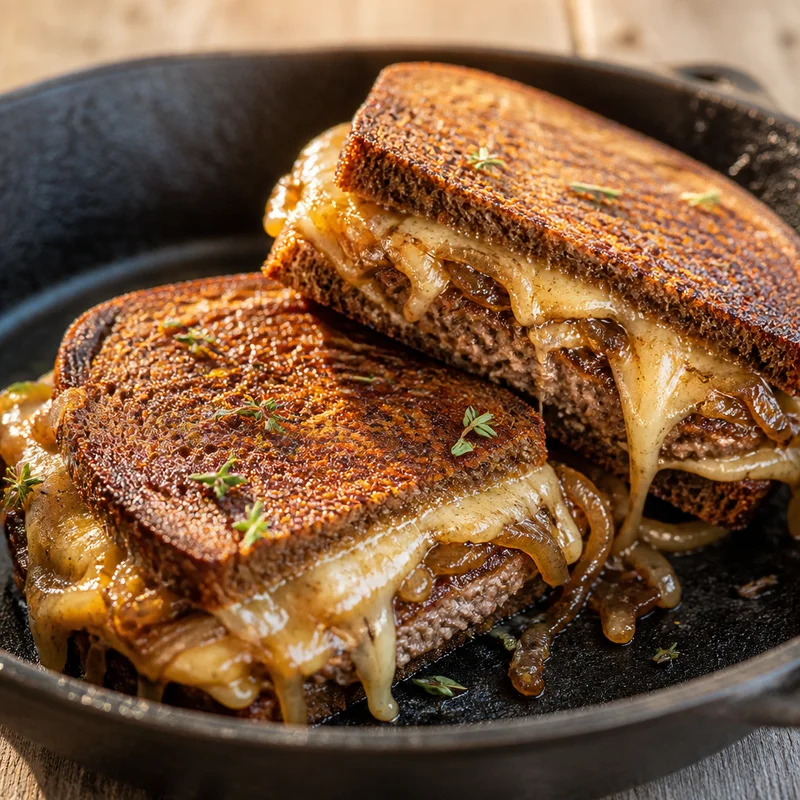
French Onion Patty Melts on Rye
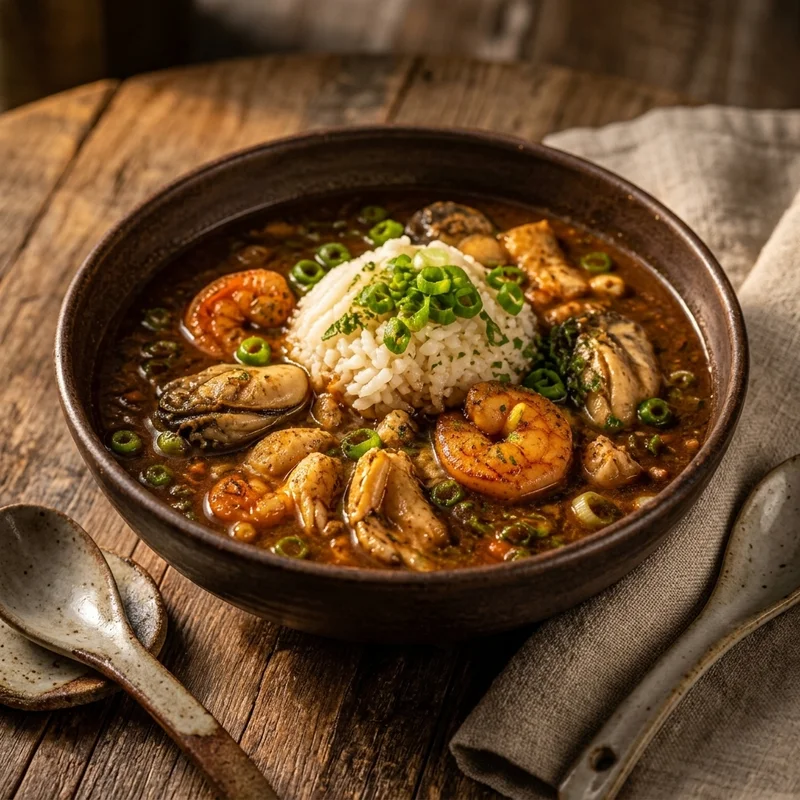
Dark Roux Seafood Gumbo with Quick Shrimp Stock
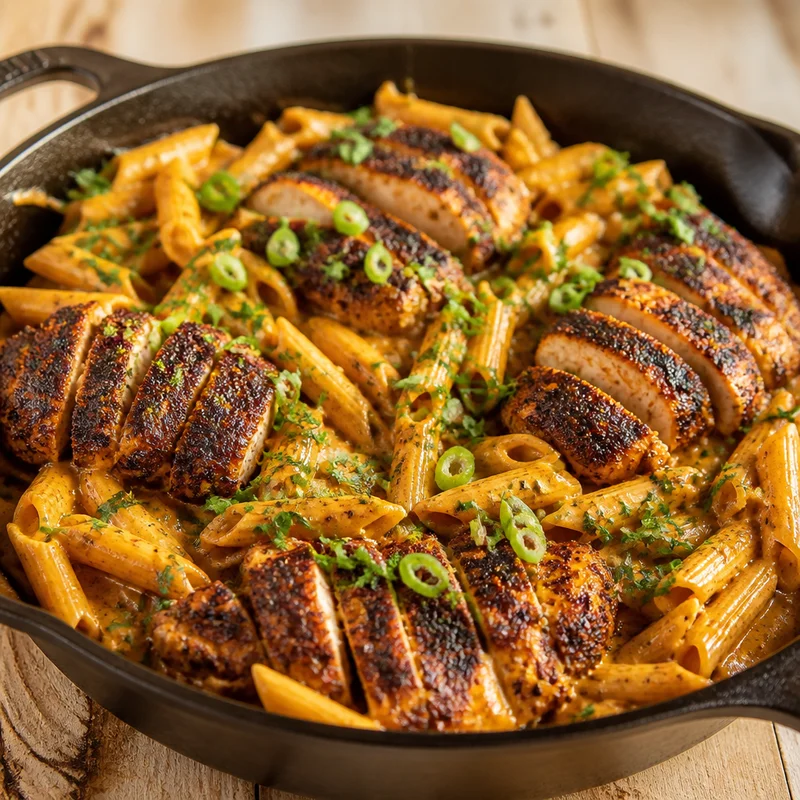
One-Skillet Blackened Cajun Chicken Pasta
Are you this recipe's original author or publisher? Report a problem