Sprig Originals's kitchen / Home-Dried Beef Biltong with Toasted Coriander
Home-Dried Beef Biltong with Toasted Coriander
 By Sprig Originals · cooked up in Sprig
Worked out from this recipe's ingredients. If you're cooking for an allergy, always read the full ingredient list.
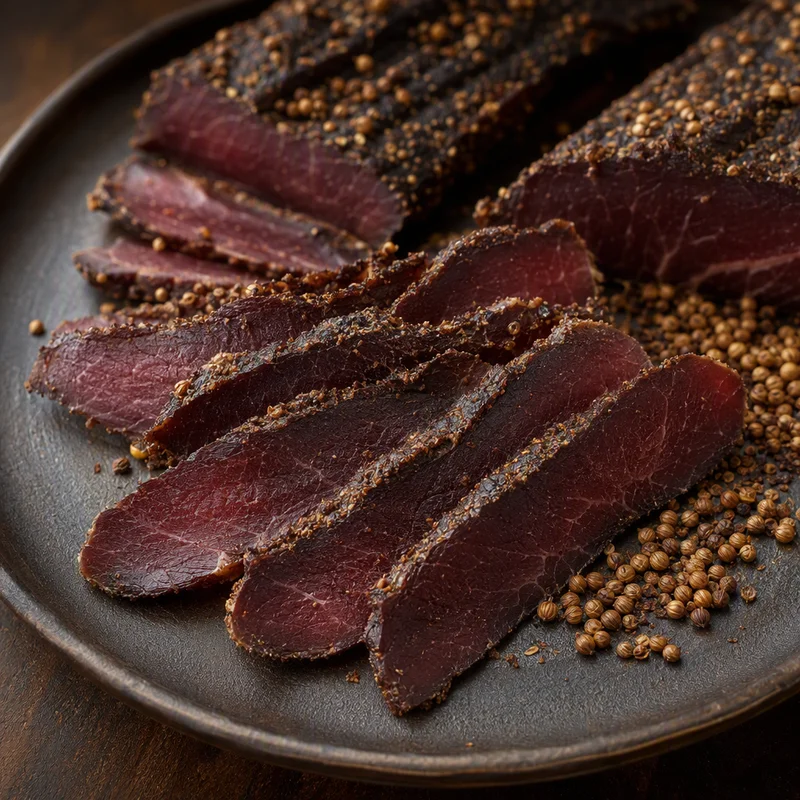
South Africa's air-dried beef snack, scaled down to a home oven. Whole-muscle top round gets a cider-vinegar bath, a coarse salt cure and a heavy blanket of toasted coriander and cracked pepper, then dries low and slow until the strips are firm at the edges and still deep ruby in the middle. Sliced across the grain, it's tender, tangy and worlds away from sugary supermarket jerky.
Ingredients
Beef and cure
- 2 lb beef top round or eye of round, in one piece
- 3/4 cup apple cider vinegar
- 2 tbsp Worcestershire sauce
- 2 tbsp coarse kosher salt
- 2 tsp dark brown sugar
Spice coating
- 3 tbsp whole coriander seeds
- 1 tbsp black peppercorns
- 1 tsp onion powder
- 1/2 tsp baking soda
- 2 tbsp apple cider vinegar, for spritzing
Instructions
- Freeze the beef, uncovered on a plate, for 40 to 50 minutes until the surface is firm but the center still gives. This makes clean slicing possible with a home knife.
- Trim off any silverskin and hard fat, leaving a thin fat cap if there is one. Slice the beef WITH the grain into strips about 1/2 inch thick, 1 to 1 1/2 inches wide, and 5 to 6 inches long. Long-grain strips dry evenly and tear into tender shreds later.
- Toast the coriander seeds in a dry skillet over medium heat for 2 to 3 minutes, shaking constantly, until they smell nutty and a few start to pop. Add the peppercorns for the last 30 seconds. Cool completely, then crush coarsely in a mortar or pulse 3 or 4 times in a spice grinder. You want cracked and flaky, not powder. Sift out and discard the fine dust, then stir in the onion powder and baking soda.
- Combine 3/4 cup cider vinegar and the Worcestershire in a large bowl or zip-top bag. Add the beef strips, turn to coat every surface, and let sit at room temperature for 1 hour, turning twice. The vinegar seasons the meat and, importantly, sanitizes the surface before drying.
- Lift the strips out and let the excess drip off, but do not rinse. Sprinkle over the salt and brown sugar and toss hard with your hands so every strip is evenly coated. Pile into a bowl, cover, and refrigerate 1 hour (for lightly seasoned biltong) or up to 2 hours (for a saltier, more traditional bite).
- Blot each strip firmly with paper towels to remove surface salt and liquid, then dredge in the crushed coriander mixture, pressing so the spice sticks in a thick, visible crust. Let the coated strips rest on a rack for 15 minutes while you set up the oven.
- Set an oven rack in the middle and a second at the very top. Arrange the strips on a wire rack set over a rimmed baking sheet, spaced at least 1/2 inch apart, or hang them from unbent metal paper clips hooked over the top oven rack with a foil-lined sheet on the rack below to catch drips.
- Heat the oven to its lowest setting, 170°F, and prop the door open 2 to 3 inches with a rolled ball of foil or a wooden spoon so moisture escapes. Dry for 5 to 6 hours, rotating the pan and flipping rack-dried strips every 90 minutes. Spritz lightly with the remaining 2 tablespoons vinegar at the 2-hour mark.
- Start checking at 4 1/2 hours. Biltong is done when a strip is firm and springy with no soft or squishy spots, has lost roughly 45 to 50 percent of its starting weight, and slices to show a dark ruby center with dry edges. For food safety, at least one strip should register 160°F on an instant-read thermometer at some point during drying; if your oven runs cool, bump to 200°F for the final 20 minutes.
- Cool the strips completely on a rack for 1 hour at room temperature, then rest them uncovered in a paper bag or open bowl overnight so the moisture equalizes. Slice thin across the grain to serve. Store in a paper bag or loosely closed jar in a cool cupboard for up to 2 weeks, or vacuum-sealed in the freezer for 3 months.
Chef's tips
- Slice with the grain, not against it. Cutting across the grain here gives you jerky-style strips that snap; long-grain strips stay tender and shred into the soft, meaty flakes biltong is known for.
- Weigh the raw strips and write the number down. Losing 40 percent gives you soft, moist biltong; 50 percent is the classic medium; past 60 percent you're into hard, snappy sticks. The scale is more reliable than your eyes.
- No patience for the oven? A cardboard box with a small desk fan blowing across hanging strips, kept in a dry room at 65 to 72°F, will finish biltong in 3 to 5 days. Only try this if your home humidity is below 60 percent, and toss anything that smells sour or shows fuzzy mold.
- Sift the fine coriander dust out of your crushed spice. The flaky cracked pieces cling to the meat and toast further during drying, while the powder just goes bitter and dusty.
- Trim aggressively. Fat does not dry, so any thick pocket left behind will turn rancid first and shorten the shelf life of the whole batch.
Nutrition (per serving, estimated)
198calories
31gprotein
3gcarbs
6gfat
Estimates only — values vary with brands and portions.
Made with Sprig
Home-Dried Beef Biltong with Toasted Coriander was created in Sprig — the AI chef that turns any craving into a complete recipe, plans your week, and shops with one smart list.
Free to start · 14-day Pro trial · cancel anytime
Not ready yet? Get the occasional recipe worth cooking — a couple a month at most.
You're on the list — check your inbox!
Unsubscribe anytime. Privacy Policy
More from Sprig Originals
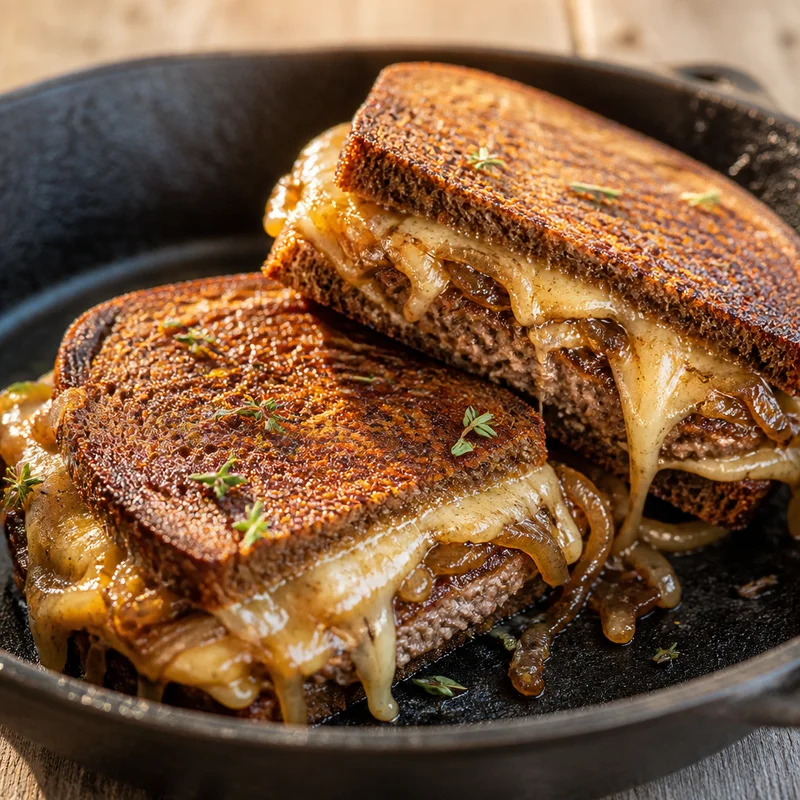
French Onion Patty Melts on Rye

Dark Roux Seafood Gumbo with Quick Shrimp Stock
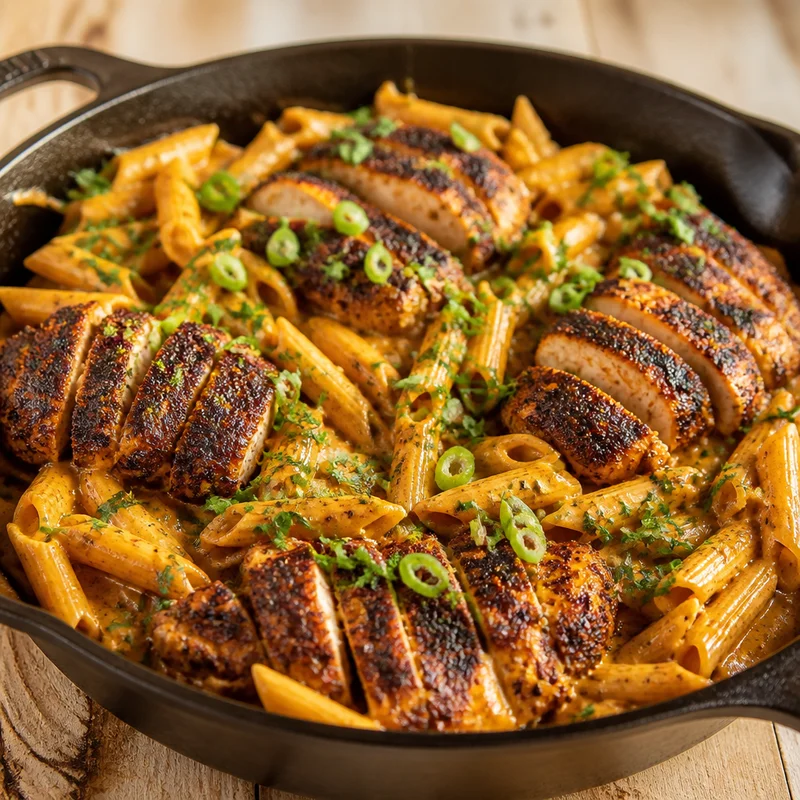
One-Skillet Blackened Cajun Chicken Pasta
Are you this recipe's original author or publisher? Report a problem