Sprig Originals's kitchen / Continuous-Brew Kombucha with a Ginger-Lemon Fizz
Continuous-Brew Kombucha with a Ginger-Lemon Fizz
 By Sprig Originals · cooked up in Sprig
Worked out from this recipe's ingredients. If you're cooking for an allergy, always read the full ingredient list.
A gallon-jar kombucha setup that keeps giving: brew one sweet tea base, let the culture work for a week or two, then draw off finished kombucha from the spigot and top the jar back up instead of starting over. The tea blend is two-thirds black for the culture's health and one-third green for a lighter, crisper finish, and each bottle gets a second ferment with fresh ginger juice and lemon for real carbonation — no forced CO2, no alcohol worth mentioning.
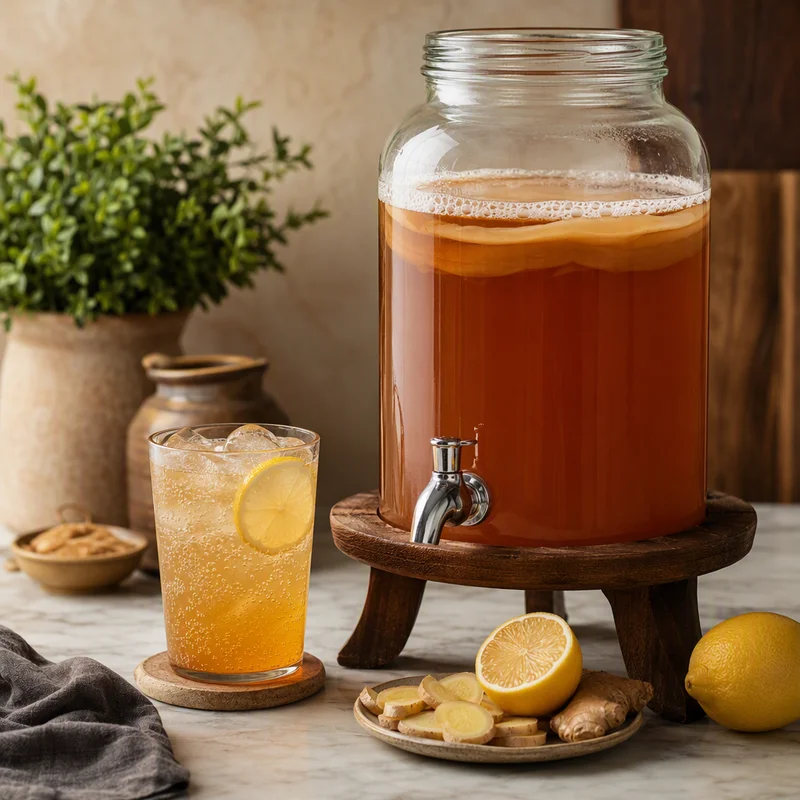
Ingredients
Sweet Tea Base (1 gallon jar)
- 16 cups filtered or dechlorinated water, divided
- 1 cup granulated sugar
- 6 bags plain black tea (or 2 tablespoons loose-leaf)
- 3 bags plain green tea (or 1 tablespoon loose-leaf)
The Culture
- 1 live kombucha culture (SCOBY), about 4 inches across
- 2 cups mature unflavored kombucha, as starter liquid
Ginger-Lemon Second Ferment (per 16 oz bottle)
- 2 tablespoons fresh ginger, finely grated and squeezed for juice
- 1 tablespoon fresh lemon juice
- 1 teaspoon granulated sugar or honey
- 1 strip lemon zest, optional
Instructions
- Sterilize your gear the safe way: wash a 1-gallon glass jar with a spigot (or a plain wide-mouth gallon jar), a long-handled wooden or silicone spoon, and a 4-cup measure in hot soapy water, then rinse until no soap film or scent remains. Soap residue and any metal that will sit in the liquid for days are the two things that damage a culture, so rinse thoroughly and set everything on a clean towel.
- Bring 4 cups of the filtered water to a boil in a nonreactive pot, remove from the heat, add the black and green tea, and steep exactly 10 minutes — longer pulls harsh tannin. Lift out the bags or strain out the leaves, pressing gently, and discard.
- Stir the 1 cup sugar into the hot tea until it fully dissolves and the liquid looks clear, about 1 minute. This sugar feeds the culture, not you; most of it is consumed during fermentation.
- Pour the sweet tea concentrate into the clean gallon jar and add the remaining 12 cups cool filtered water. Check the temperature with an instant-read thermometer: it must be below 85°F (ideally 75–80°F) before the culture goes in. If it is warmer, let it sit uncovered until it cools — heat above 100°F kills the yeast and bacteria.
- Add the 2 cups mature kombucha starter liquid and stir once, then slide in the culture with clean hands. It may float, sink, or sit sideways; all are fine. The jar should be filled to about 3 inches below the rim to leave breathing room.
- Cover the mouth with a tight-weave cloth or two layers of coffee filter and secure with a rubber band — the ferment needs airflow but must stay sealed against fruit flies. Set the jar somewhere dark and still at 68–78°F, away from direct sun and off the top of the refrigerator. Do not move or stir it once it starts.
- Within 3 to 7 days a thin, pale film will spread across the surface: that is the new culture forming and it means things are working. Brown stringy strands hanging below are yeast and are normal. Fuzzy, dry, blue-green or black spots sitting on top of the film are mold — that batch and culture must be discarded.
- Start tasting on day 6. Draw a splash from the spigot, or slide a straw past the culture and cap the top with your finger to pull a sample. It should read sweet-tart like a soft apple cider; if it is still syrupy, wait. In a 75°F kitchen it usually lands at day 8–12; a cool 68°F kitchen can take 16 days. Optional: a pH strip should read 3.0–3.5 when it is done.
- When the flavor is where you want it, draw off about 3 quarts (12 cups) into a clean pitcher, leaving roughly 1 quart plus the culture behind in the jar. That leftover liquid is the starter for the next batch — brew a fresh, fully cooled batch of sweet tea using the same ratios (steps 2 through 4) and top the jar back up. Continuous brewing shortens each following cycle to about 5–8 days.
- For the second ferment, grate a knob of fresh ginger on a microplane and squeeze the pulp in your fist over a small bowl to get juice. Into each clean 16-ounce swing-top or thick-glass soda bottle put 2 tablespoons ginger juice, 1 tablespoon lemon juice, 1 teaspoon sugar, and a strip of zest if using.
- Funnel the kombucha into the bottles, leaving 1 to 1 1/2 inches of headspace, and seal tightly. Leave at room temperature, 70–78°F, for 2 to 3 days, out of sunlight and standing on a rimmed tray.
- Burp one bottle each day: open it slowly over the sink. Once you get a firm hiss and a rising column of bubbles, the carbonation is set. Refrigerate all bottles immediately — cold stops the pressure from climbing. Chill at least 8 hours, then strain through a fine sieve as you pour if you want a clear glass. Drink within 3 weeks.
Chef's tips
- Never use tea with added oils or flavorings (Earl Grey, chai, anything labeled 'natural flavor') in the base batch — the oils coat the culture and weaken it over time. Save flavoring for the second ferment.
- Cool the sweet tea completely before it touches the culture. Rushing this is the single most common way home brewers kill a healthy SCOBY. An ice bath around the pot cuts the wait to 20 minutes.
- Store bottles in the fridge standing up and open them cold and slowly. A warm, over-carbonated swing-top can gush or, rarely, fail — always second-ferment on a tray and never in thin decorative glass.
- Kombucha naturally finishes around 0.5% ABV or less; keeping the second ferment to 3 days and refrigerating promptly keeps it there. Longer, warmer ferments push both acidity and alcohol up.
- Going on vacation? Cover the jar, move it somewhere cool, and it will simply get more sour. Overly vinegary kombucha is not wasted — use it as your next batch's starter liquid or in salad dressing.
- Extra culture layers stack up over time. Peel off the bottom-most ones every few months, keep the newest, and store spares in a small jar with a cup of finished kombucha as a backup.
Nutrition (per serving, estimated)
18calories
5gcarbs
Estimates only — values vary with brands and portions.
Made with Sprig
Continuous-Brew Kombucha with a Ginger-Lemon Fizz was created in Sprig — the AI chef that turns any craving into a complete recipe, plans your week, and shops with one smart list.
Free to start · 14-day Pro trial · cancel anytime
Not ready yet? Get the occasional recipe worth cooking — a couple a month at most.
You're on the list — check your inbox!
Unsubscribe anytime. Privacy Policy
More from Sprig Originals
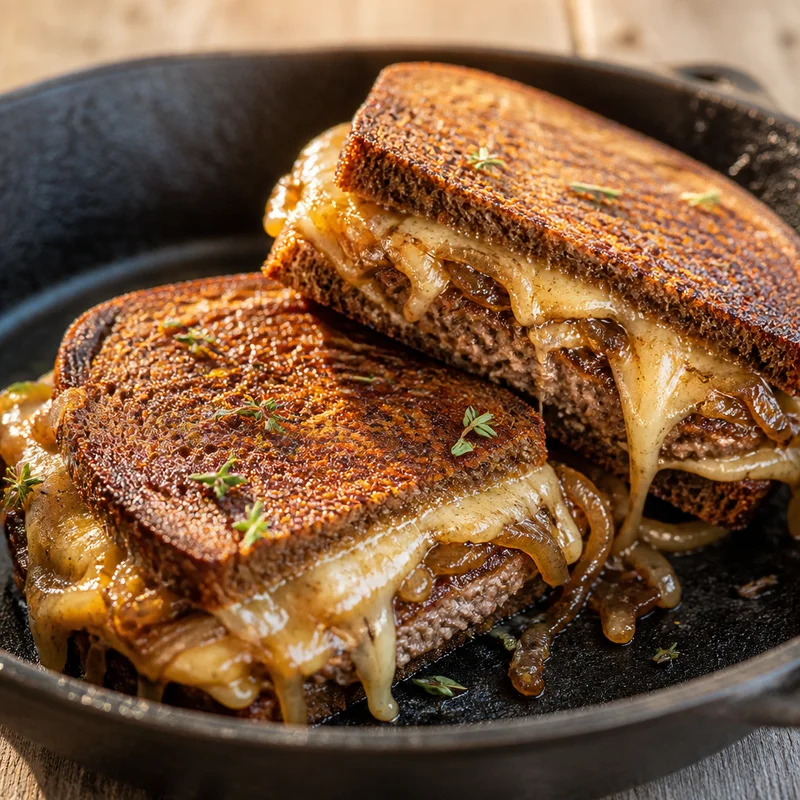
French Onion Patty Melts on Rye
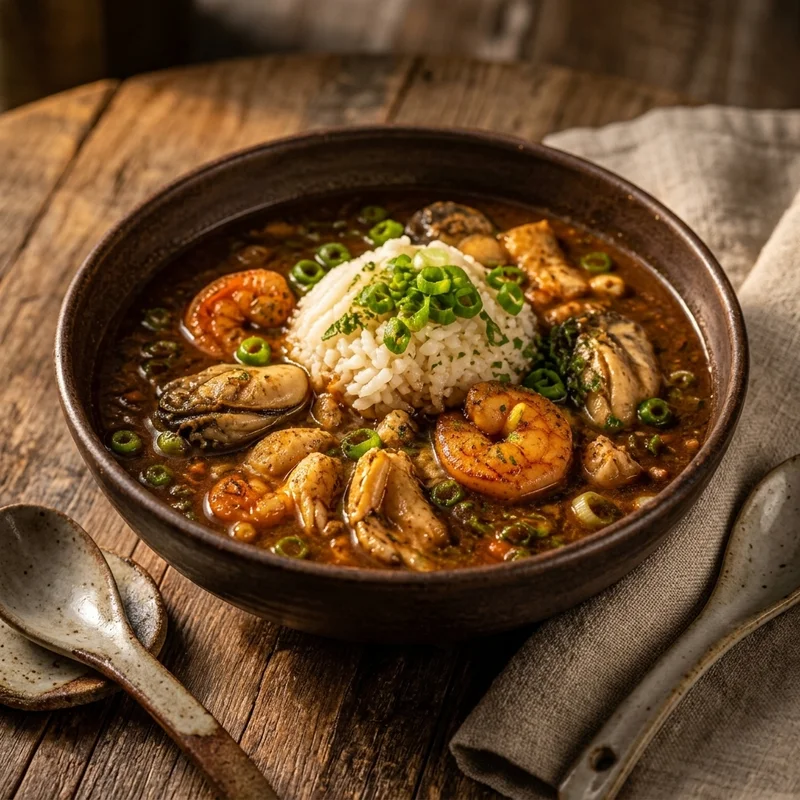
Dark Roux Seafood Gumbo with Quick Shrimp Stock
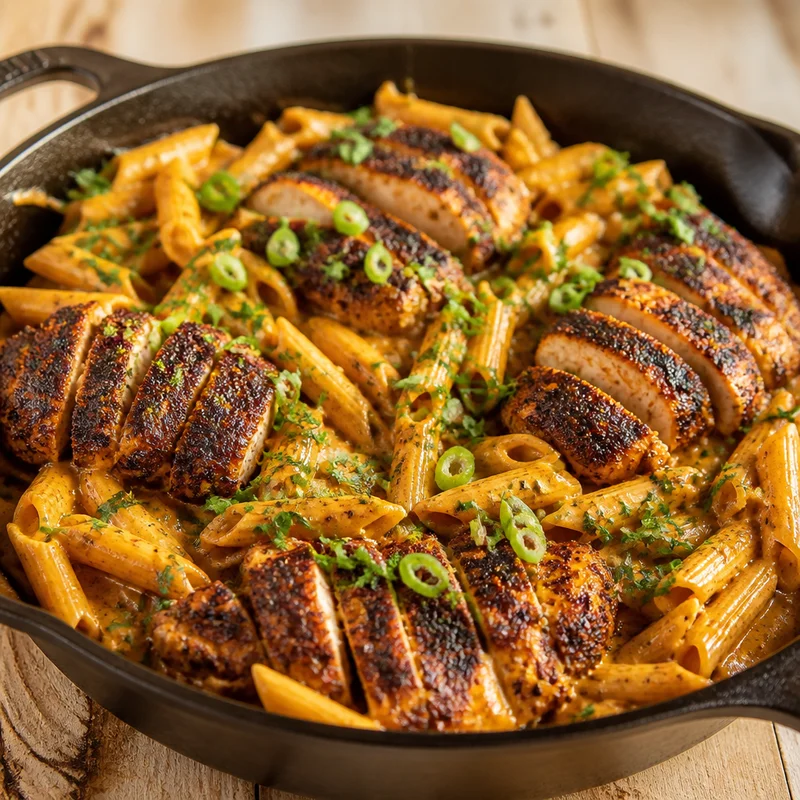
One-Skillet Blackened Cajun Chicken Pasta
Are you this recipe's original author or publisher? Report a problem