Sprig Originals's kitchen / Silky Braised Eggplant in Sweet-Sour Garlic Sauce
Silky Braised Eggplant in Sweet-Sour Garlic Sauce
 By Sprig Originals · cooked up in Sprig
Worked out from this recipe's ingredients. If you're cooking for an allergy, always read the full ingredient list.
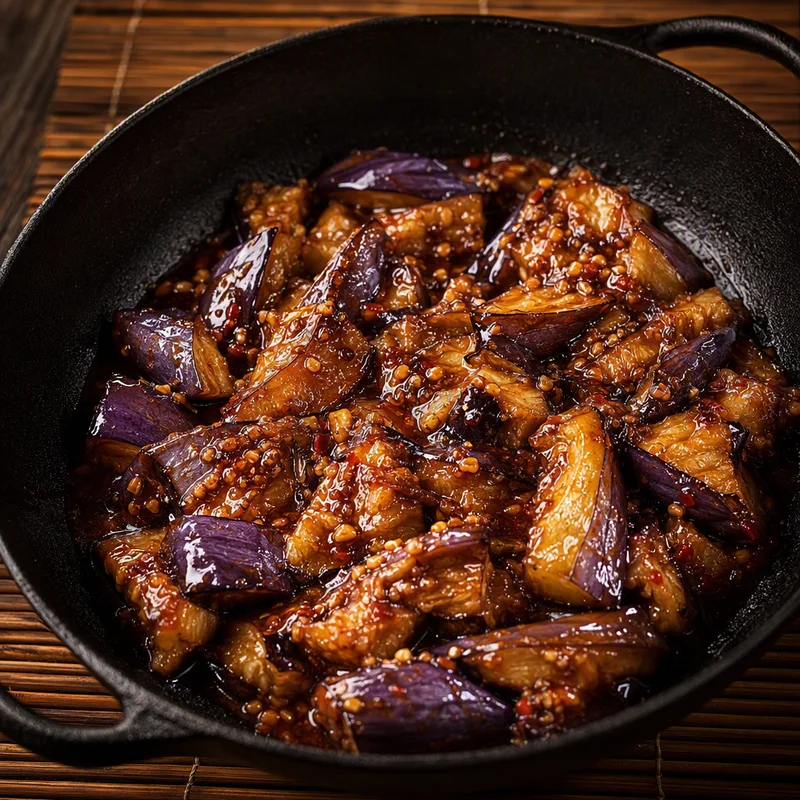
Wedges of eggplant are shallow-fried until the flesh collapses into custard, then tossed in the classic Sichuan "fish-fragrant" sauce — chili bean paste, loads of garlic and ginger, black vinegar and just enough sugar to round it out. No fish anywhere near it, despite the name. Serve over hot rice and it disappears fast.
Ingredients
Eggplant
- 1.5 lb Chinese or Japanese eggplant (about 3 slender eggplants)
- 1 tsp kosher salt
- 2 tbsp cornstarch
- 1 cup neutral oil, for shallow frying
Yu Xiang Sauce
- 3 tbsp water or unsalted vegetable broth
- 2 tbsp Chinkiang black vinegar
- 1.5 tbsp light soy sauce
- 1.5 tbsp granulated sugar
- 1 tbsp Shaoxing wine
- 2 tsp cornstarch
Aromatics & Finish
- 2 tbsp Pixian doubanjiang (fermented chili bean paste)
- 8 cloves garlic, finely minced
- 1.5 tbsp fresh ginger, finely minced
- 4 scallions, white and green parts separated, thinly sliced
- 1 tsp toasted sesame oil
- 4 cups cooked white rice, for serving
Instructions
- Trim the eggplant and cut into batons about 3 inches long and 3/4 inch thick. Toss in a colander with 1 teaspoon kosher salt and let drain in the sink for 15 minutes; this collapses the sponge-like flesh so it drinks less oil.
- Meanwhile, whisk the sauce: stir the water, black vinegar, soy sauce, sugar, Shaoxing wine and 2 teaspoons cornstarch in a small bowl until no lumps remain. Set beside the stove along with the doubanjiang, garlic, ginger and scallion whites.
- Pat the eggplant thoroughly dry with paper towels — surface moisture will spit in the oil. Sprinkle with 2 tablespoons cornstarch and toss until every piece wears a thin dusty coat.
- Heat 1 cup neutral oil in a 12-inch skillet or wok over medium-high until it reads 350°F (a piece of eggplant should sizzle vigorously on contact). Fry the eggplant in two batches, 3 to 4 minutes per batch, turning once, until deeply golden and completely soft when pressed. Drain on a rack or paper towels.
- Carefully pour off all but 2 tablespoons of the oil. Return the pan to medium heat, add the doubanjiang, and fry 45 to 60 seconds, mashing it against the pan, until the oil turns brick red and smells toasty.
- Add the garlic, ginger and scallion whites. Stir-fry 30 to 45 seconds, just until fragrant — do not let the garlic brown or the sauce will taste bitter.
- Whisk the sauce again to re-suspend the cornstarch, pour it into the pan, and bring to a bubble, about 30 seconds, stirring until it thickens to a glossy, spoon-coating consistency.
- Return the eggplant to the pan and fold gently for about 1 minute, until every piece is lacquered in sauce. Kill the heat, stir in the sesame oil and half the scallion greens.
- Slide onto a platter, scatter with the remaining scallion greens, and serve immediately with hot white rice.
Chef's tips
- Brands of doubanjiang vary wildly in salt. Taste the sauce after it thickens; if it's sharp, add another 1/2 teaspoon sugar, and if it's flat, a few drops more soy sauce.
- No shallow frying? Toss the dried eggplant with 3 tablespoons oil and roast at 450°F for 22 to 25 minutes, flipping once, until collapsed and browned, then proceed from step 5 using 2 tablespoons fresh oil.
- Chinkiang black vinegar is the backbone of this dish. If you must swap, use 1 tablespoon balsamic plus 1 tablespoon rice vinegar — not plain white vinegar.
- Slender Asian eggplants have thinner skin and fewer seeds; if you only have globe eggplant, peel it in stripes and salt it for a full 25 minutes.
Nutrition (per serving, estimated)
621calories
10gprotein
103gcarbs
18gfat
Estimates only — values vary with brands and portions.
Made with Sprig
Silky Braised Eggplant in Sweet-Sour Garlic Sauce was created in Sprig — the AI chef that turns any craving into a complete recipe, plans your week, and shops with one smart list.
Free to start · 14-day Pro trial · cancel anytime
Not ready yet? Get the occasional recipe worth cooking — a couple a month at most.
You're on the list — check your inbox!
Unsubscribe anytime. Privacy Policy
More from Sprig Originals
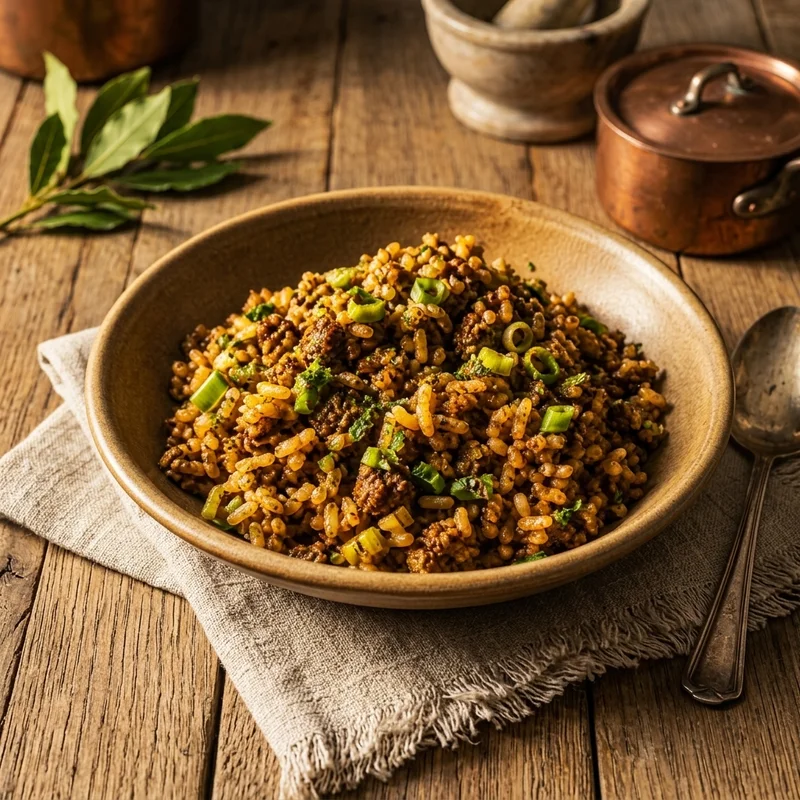
South Louisiana Rice Dressing (Dirty Rice)
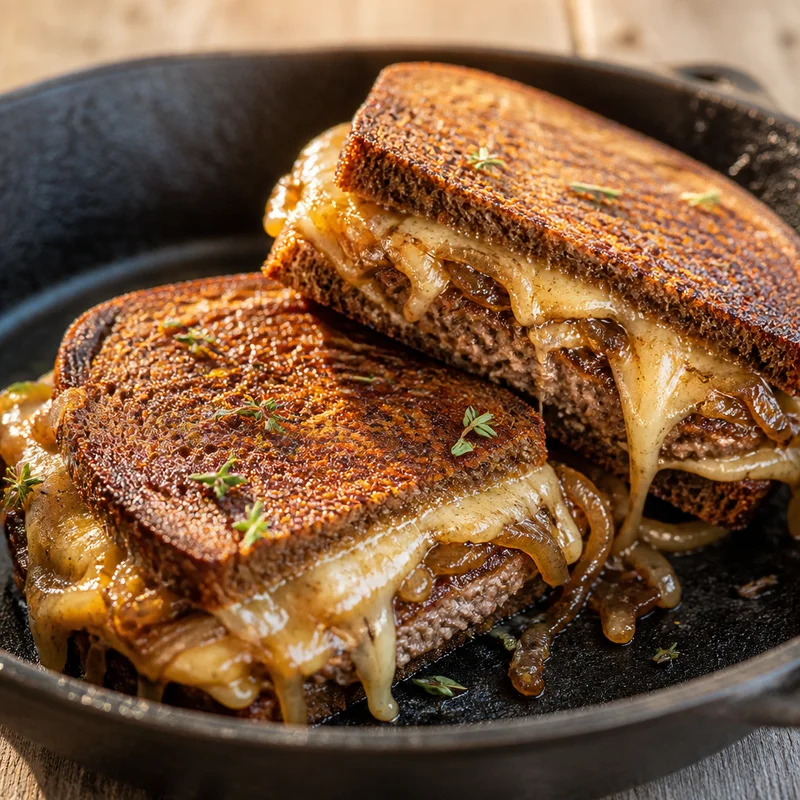
French Onion Patty Melts on Rye
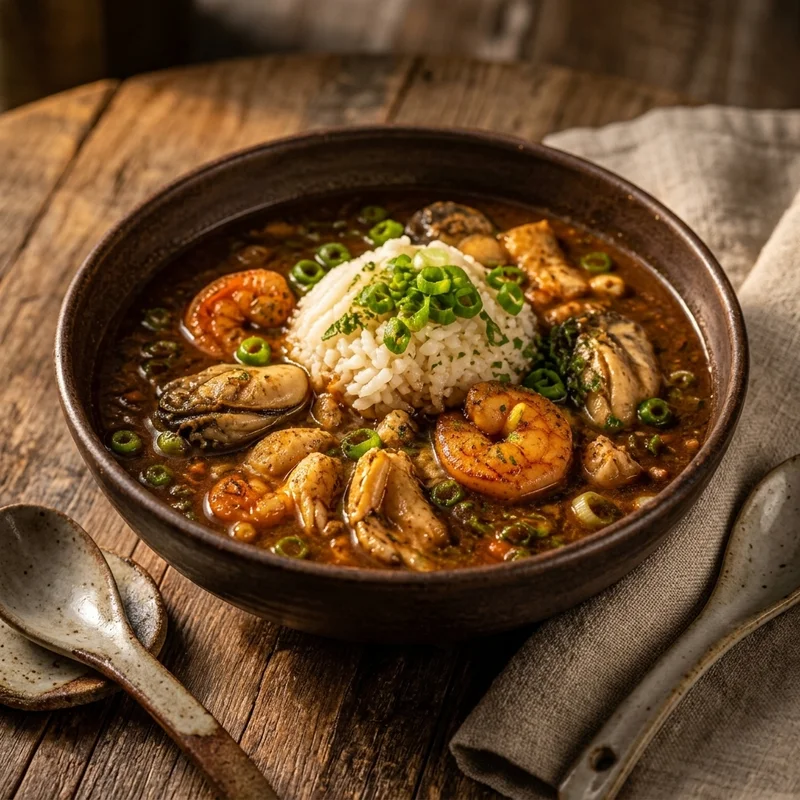
Dark Roux Seafood Gumbo with Quick Shrimp Stock
Are you this recipe's original author or publisher? Report a problem