Sprig Originals's kitchen / Salt and Pepper Soft-Shell Crab
Salt and Pepper Soft-Shell Crab
 By Sprig Originals · cooked up in Sprig
Worked out from this recipe's ingredients. If you're cooking for an allergy, always read the full ingredient list.
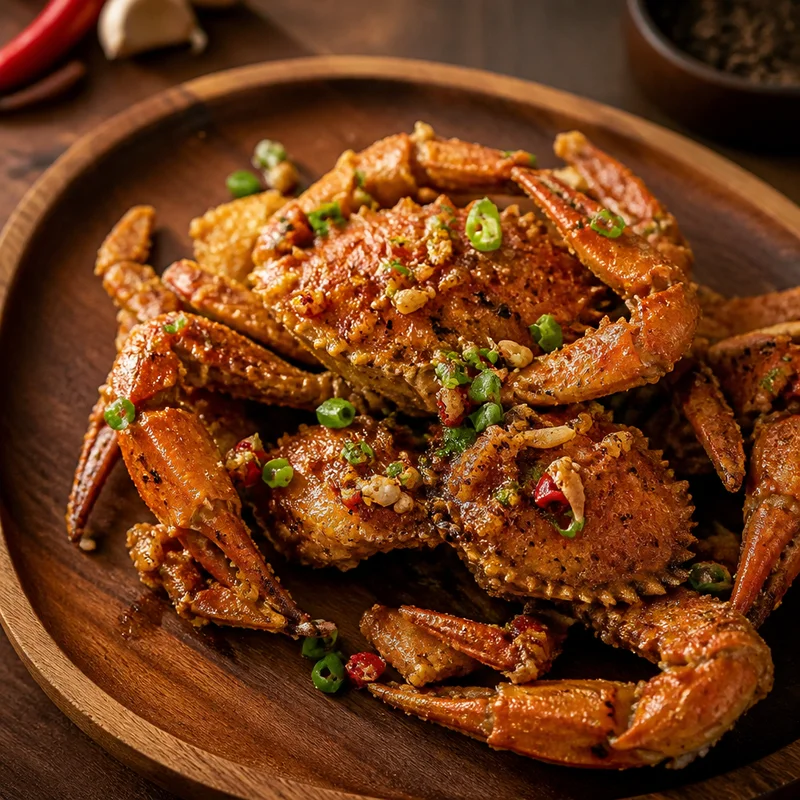
Whole soft-shell crabs get a barely-there rice flour dredge, a shallow-fry in a deep skillet until the shells shatter like glass, then a fast toss in garlic, chili and scallion salt. It's the $28 appetizer you find on Vietnamese seafood menus, and the only real hurdle at home is buying cleaned frozen crabs — everything after that takes 20 minutes. Served with lime-pepper salt for dipping.
Ingredients
Crab
- 4 soft-shell crabs, cleaned (fresh or frozen, "prime" or "hotel" size)
- 1 cup whole milk or buttermilk (for thawing/soaking)
- 1 tsp kosher salt
Rice Flour Dredge
- 3/4 cup white rice flour (not glutinous)
- 3 tbsp cornstarch
- 1 tsp kosher salt
- 1/2 tsp ground white pepper
- 1/4 tsp baking powder
Salt and Pepper Toss
- 6 cloves garlic, finely minced
- 2 red Fresno or Thai chilies, thinly sliced
- 4 scallions, whites thinly sliced, greens cut in 1-inch lengths
- 1 tbsp shallot, minced
- 1 1/4 tsp kosher salt
- 1 tsp coarsely ground black pepper
- 1/2 tsp ground white pepper
- 1 tsp granulated sugar
- 1/8 tsp Chinese five-spice powder (optional)
Frying and Serving
- 4 cups neutral oil, such as peanut or canola
- 1 lime, cut in wedges
- 1/2 tsp kosher salt, for the dipping salt
- 1/2 tsp coarsely ground black pepper, for the dipping salt
- 1/4 cup cilantro sprigs and torn Thai basil, for serving
Instructions
- Source and thaw the crabs. Look for frozen cleaned soft-shell crabs at a Vietnamese or Chinese grocery (freezer case, often labeled "soft shell crab, cleaned" in boxes of 4 to 12) or ask a fish counter to clean fresh ones for you. Thaw frozen crabs overnight in the refrigerator, or in a bowl of the milk plus 1 tsp salt for 45 minutes on the counter — the milk keeps them from tasting freezer-stale. Never thaw in hot water.
- Check that they're truly cleaned: the face/eyes should be trimmed off, the apron flap removed from the belly, and the feathery gray gills gone from under the top shell. If any gills remain, lift the pointed side flaps of the shell and pull them out with your fingers. Snip out the pale stomach sac behind the eyes with kitchen shears if present.
- Dry the crabs aggressively. Blot each one inside and out with paper towels, pressing gently on the body to squeeze water out of the shell cavity, then set them on a rack for 10 minutes. Wet crabs spit violently in hot oil — this step is the whole safety plan.
- Make the salt and pepper mix: in a small bowl, stir together 1 1/4 tsp kosher salt, black pepper, white pepper, sugar and five-spice. In a separate small bowl combine the lime dipping salt (1/2 tsp salt plus 1/2 tsp black pepper) and set the lime wedges beside it.
- Whisk the rice flour, cornstarch, 1 tsp salt, 1/2 tsp white pepper and baking powder in a wide shallow dish. This is a dry dredge, not a batter — you want a thin, sandy coating that fries into a crackle, not a thick crust.
- Pour the oil into a deep 12-inch skillet or a wide Dutch oven to a depth of about 1 inch (roughly 4 cups). Heat over medium-high to 355°F on a thermometer. Line a sheet pan with a wire rack. Have a splatter screen or a large pot lid within reach.
- Working one at a time, press a crab into the dredge, flip, and press again, coating the legs and body; shake off all loose flour. Lay it in the oil claw-side down and immediately shield with the splatter screen. Fry two crabs at a time so the oil stays above 340°F.
- Fry 3 minutes on the first side, until the shell turns deep orange-red and the edges are lacy and set, then flip with tongs and fry 2 to 3 minutes more. The crab is done when the bubbling quiets noticeably and the legs feel brittle when tapped with the tongs. Drain on the rack and repeat with the remaining crabs, letting the oil return to 355°F between batches.
- Pour off all but 2 tablespoons of oil (save it, strained, for another fry). Set the skillet over medium heat, add the garlic, shallot, chilies and scallion whites, and stir constantly for 45 to 60 seconds, just until the garlic is pale gold and fragrant — it goes bitter fast, so pull the pan off the heat the second it colors.
- Add the scallion greens and the salt and pepper mix and toss for 15 seconds. Return the crabs to the pan, raise the heat to medium-high, and toss briskly for 30 to 45 seconds, spooning the aromatics over and into the shells so the seasoning clings everywhere.
- Pile the crabs onto a warm platter, scrape every bit of garlic and chili from the pan over the top, and scatter with cilantro and Thai basil. Serve immediately with lime wedges to squeeze into the pepper salt for dipping. Eat the whole crab, shell and all.
Chef's tips
- Buy by size: "hotel" (4 to 4.5 inches) crabs are the sweet spot for a home skillet; "jumbo" and "whale" crabs need longer frying and can steam themselves soggy inside. Two smaller crabs per person also works.
- Rice flour is doing real work here — it fries drier and stays crisper than wheat flour, and it won't turn gummy when the crab's juices seep out. Regular white rice flour from the Asian aisle is correct; glutinous (sweet) rice flour is not.
- If the shells feel leathery rather than papery after frying, your oil dropped too low. Fry two at a time, max, and let the oil recover to 355°F between batches.
- The aromatic toss must happen within a minute or two of frying. Line up your garlic, chilies and salt mix before the first crab hits the oil — there is no time to chop later.
- Leftover crabs lose their crunch, but you can revive them at 400°F in an air fryer or oven for 4 minutes, then re-toss with a fresh 30-second batch of garlic salt.
Nutrition (per serving, estimated)
487calories
18gprotein
55gcarbs
22gfat
Estimates only — values vary with brands and portions.
Made with Sprig
Salt and Pepper Soft-Shell Crab was created in Sprig — the AI chef that turns any craving into a complete recipe, plans your week, and shops with one smart list.
Free to start · 14-day Pro trial · cancel anytime
Not ready yet? Get the occasional recipe worth cooking — a couple a month at most.
You're on the list — check your inbox!
Unsubscribe anytime. Privacy Policy
More from Sprig Originals
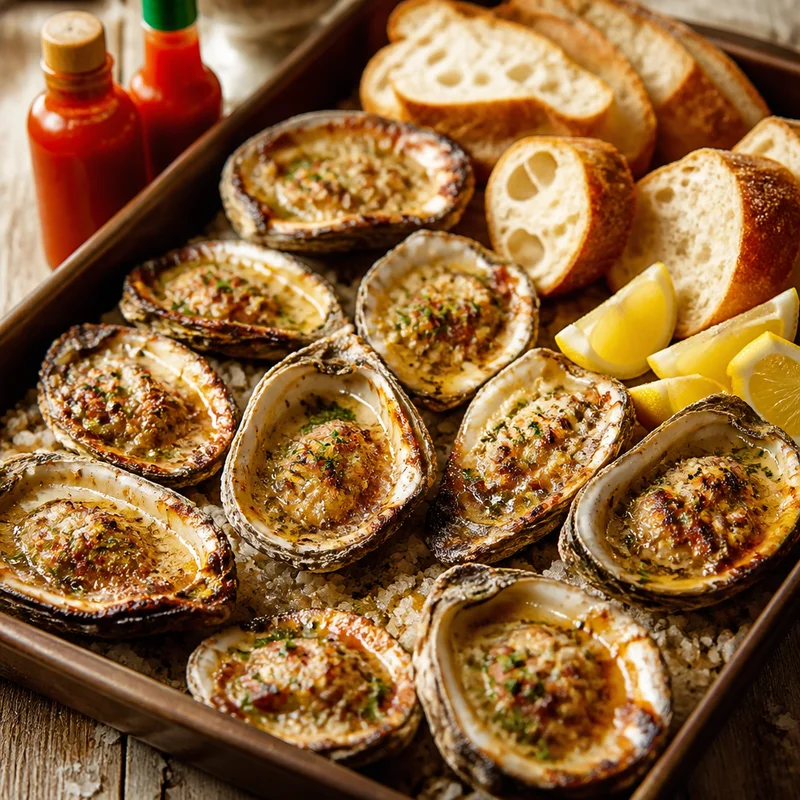
Char-Grilled Oysters with Garlic-Worcestershire Butter
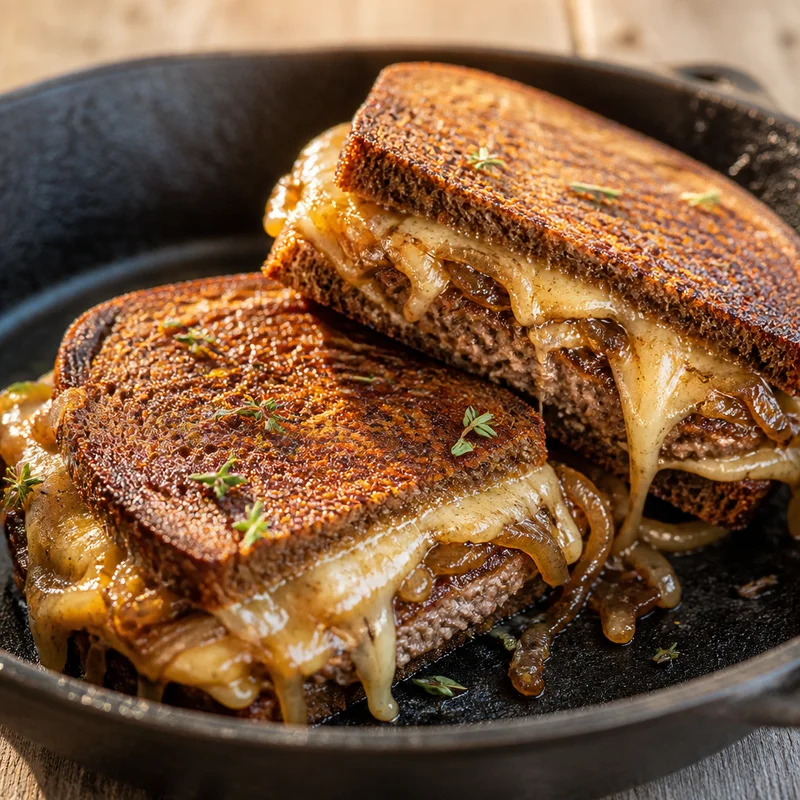
French Onion Patty Melts on Rye
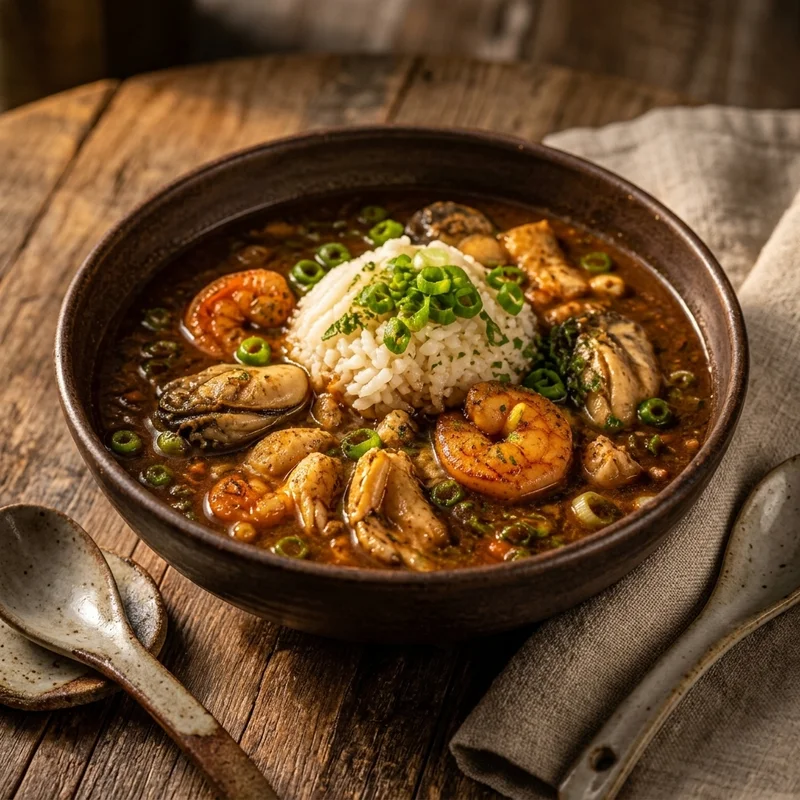
Dark Roux Seafood Gumbo with Quick Shrimp Stock
Are you this recipe's original author or publisher? Report a problem