Sprig Originals's kitchen / Black Pepper & Soy Oven-Dried Beef Jerky
Black Pepper & Soy Oven-Dried Beef Jerky
 By Sprig Originals · cooked up in Sprig
Worked out from this recipe's ingredients. If you're cooking for an allergy, always read the full ingredient list.
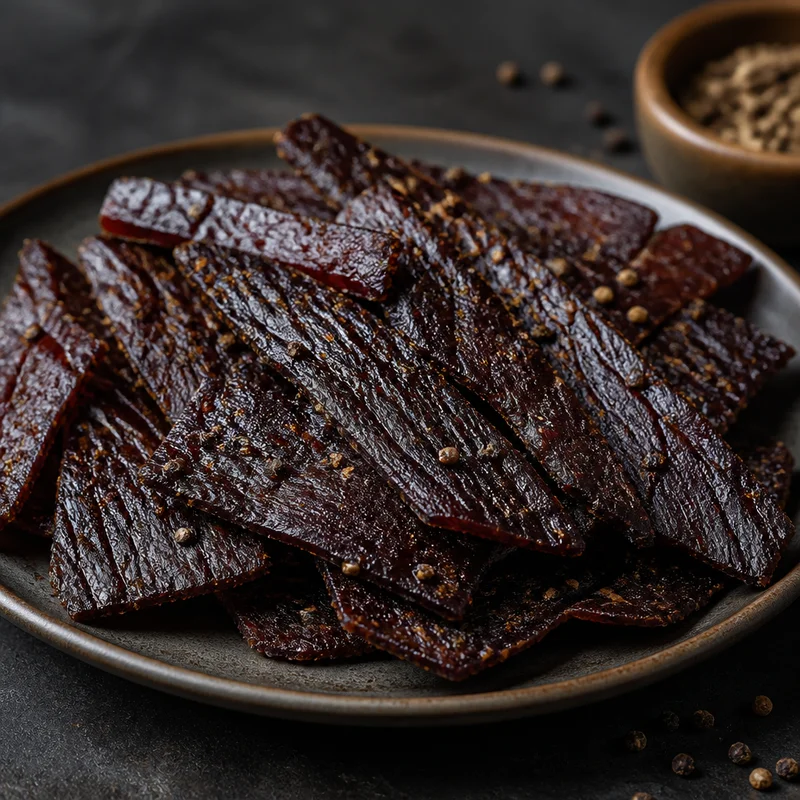
Real jerky, made in a regular oven: lean eye of round sliced paper-thin, marinated overnight in soy, Worcestershire, brown sugar and a lot of cracked black pepper, then dried low and slow until it bends and cracks instead of snapping. Chewy, glossy, deeply savoury, and about a quarter the price of the good stuff at the counter.
Ingredients
Beef
- 2 lb beef eye of round or top round, trimmed of all fat and silverskin
Marinade
- 1/2 cup soy sauce
- 1/4 cup Worcestershire sauce
- 2 tbsp dark brown sugar, packed
- 1 tbsp honey
- 1 tbsp coarsely cracked black pepper, plus more for finishing
- 2 tsp onion powder
- 2 tsp garlic powder
- 1 1/2 tsp smoked paprika
- 1 tsp kosher salt
- 1 tsp liquid smoke (optional, hickory or mesquite)
- 1/2 tsp red pepper flakes or cayenne (optional)
- 1/4 tsp curing salt #1 / Prague powder (optional, for colour and shelf life)
Instructions
- Place the trimmed roast on a plate or small tray and freeze for 60 to 90 minutes, until the outside is firm and icy but a knife still sinks into the centre. This is the single biggest factor in getting even, thin slices.
- Set the beef on a cutting board and slice with a long, sharp knife into planks 1/8 to 3/16 inch thick. Slice with the grain for classic, chewy, tear-it-with-your-teeth jerky; slice across the grain for a more tender, brittle bite. Trim off any remaining fat or connective tissue as you go, since fat will not dry and will shorten the shelf life.
- Whisk the soy sauce, Worcestershire, brown sugar, honey, 1 tablespoon cracked black pepper, onion powder, garlic powder, smoked paprika, kosher salt, and the liquid smoke, pepper flakes and curing salt if using in a bowl until the sugar dissolves.
- Put the beef slices in a large zip-top bag or non-reactive container, pour in the marinade, press out the air and massage so every slice is coated. Refrigerate 8 to 24 hours, flipping the bag once or twice. Twelve hours is the sweet spot; past 24 the soy starts to dominate.
- Line two rimmed baking sheets with foil for easy cleanup and set wire racks inside them. Drain the beef in a colander, then pat each slice firmly between paper towels — surface moisture is what turns jerky sticky instead of dry.
- Lay the slices on the racks in a single layer, not touching, so air can move around every piece. Grind a little extra black pepper over the top.
- Heat the oven to 175°F (or its lowest setting, up to 200°F). Prop the door open 1 to 2 inches with a wooden spoon or a folded ball of foil so moisture escapes, and turn on the convection fan if you have one.
- Dry for 3 to 5 hours, rotating the pans top to bottom and front to back every hour and blotting away any beads of fat or liquid with a paper towel. Start checking at the 3-hour mark; thinner slices near the edges will finish first, so pull pieces individually as they are done.
- Test for doneness: let a piece cool for 5 minutes, then bend it. It should crack and show white fibres along the bend but not break in half, and it should feel dry and leathery with no soft, wet spots. If it snaps clean it has gone slightly too far; if it feels floppy, keep drying.
- For food safety, finish by raising the oven to 275°F, closing the door, and heating the finished jerky for 10 minutes — this brings the interior past 160°F without further drying. Cool completely on the racks, about 30 minutes.
- Pack the cooled jerky loosely in a zip-top bag or jar, leave it at room temperature for 24 hours, then check for condensation. If you see moisture, dry another 30 to 60 minutes at 175°F. Store airtight.
Chef's tips
- A dehydrator works beautifully here: 160°F for 4 to 6 hours, rotating trays once, then the same 275°F oven finish for 10 minutes.
- Eye of round, top round and bottom round are the right cuts — they are lean, cheap and uniform. Avoid anything marbled; fat goes rancid and never dries.
- Ask the butcher to slice the roast for you on the deli slicer at 1/8 inch if you would rather skip the knife work.
- Curing salt #1 is optional but gives the deep red colour, the classic cured flavour and a much longer shelf life. Use exactly 1/4 teaspoon for 2 pounds of meat and no more.
- Properly dried jerky keeps 2 weeks at room temperature in an airtight jar, a month in the fridge, and 6 months vacuum-sealed in the freezer. Tossing in a food-safe silica or oxygen absorber packet helps.
- For a sweeter, sticky style, brush the slices with a thin coat of warm honey during the last 20 minutes of drying.
Nutrition (per serving, estimated)
218calories
33gprotein
13gcarbs
4gfat
Estimates only — values vary with brands and portions.
Made with Sprig
Black Pepper & Soy Oven-Dried Beef Jerky was created in Sprig — the AI chef that turns any craving into a complete recipe, plans your week, and shops with one smart list.
Free to start · 14-day Pro trial · cancel anytime
Not ready yet? Get the occasional recipe worth cooking — a couple a month at most.
You're on the list — check your inbox!
Unsubscribe anytime. Privacy Policy
More from Sprig Originals
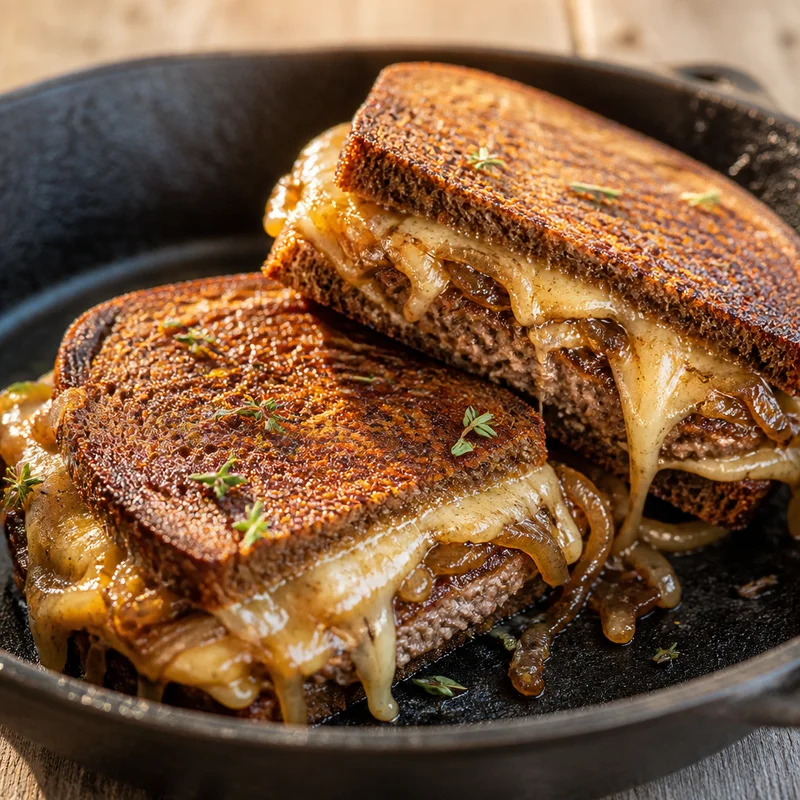
French Onion Patty Melts on Rye
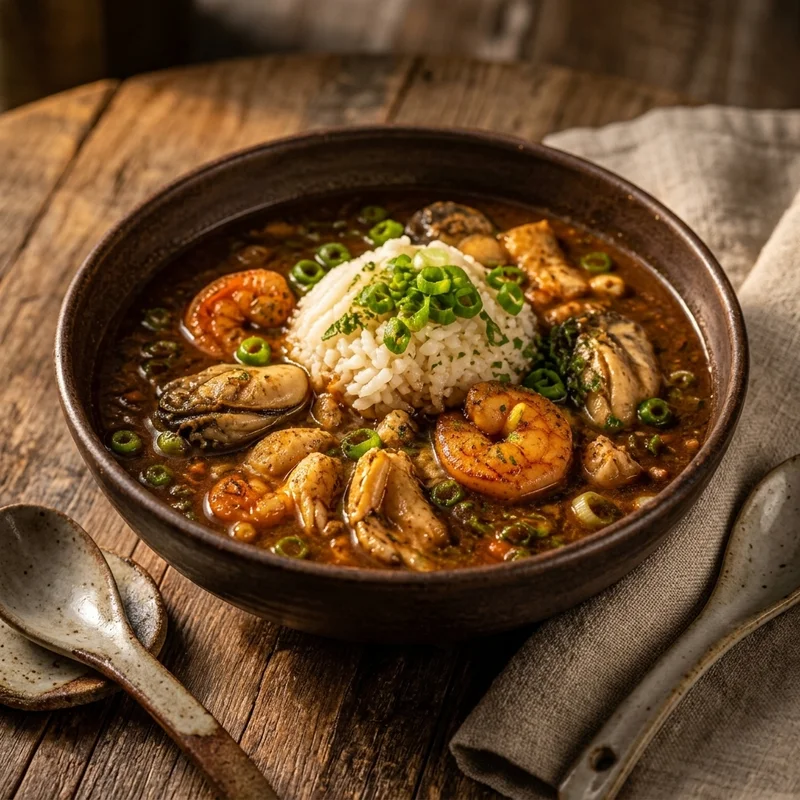
Dark Roux Seafood Gumbo with Quick Shrimp Stock
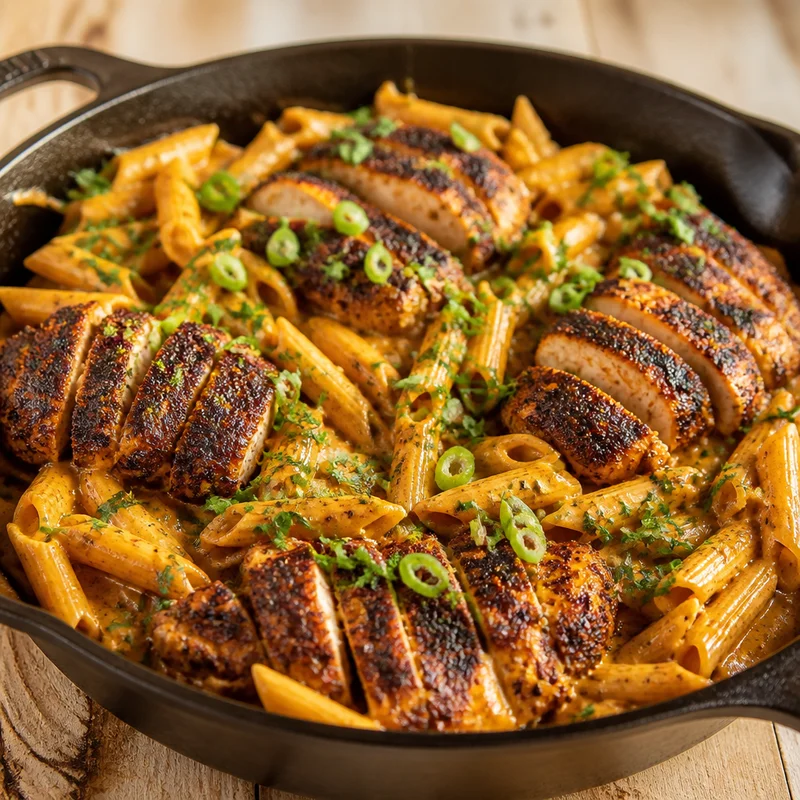
One-Skillet Blackened Cajun Chicken Pasta
Are you this recipe's original author or publisher? Report a problem