Sprig Originals's kitchen / Toasted Rye Bread Kvass with Raisins, Lemon & Mint
Toasted Rye Bread Kvass with Raisins, Lemon & Mint
 By Sprig Originals · cooked up in Sprig
Worked out from this recipe's ingredients. If you're cooking for an allergy, always read the full ingredient list.
The classic Eastern European bread ferment, made on a kitchen counter in about two days. Dark rye is toasted until it smells like coffee and cocoa, steeped overnight into a deep amber tea, then briefly fermented with a pinch of yeast and a handful of raisins for natural fizz. The result is a barely-sweet, tangy, malty soda — softly carbonated, essentially non-alcoholic, and unbelievably refreshing over ice with lemon and mint.
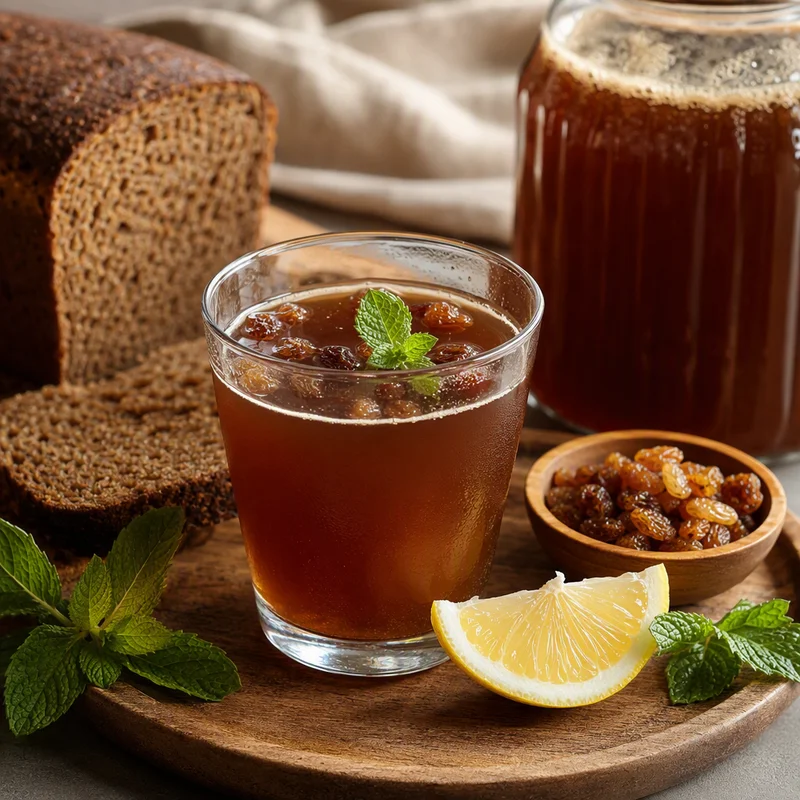
Ingredients
Rye Tea Base
- 12 oz dark rye or pumpernickel bread, cut into 1-inch cubes (about 8 cups, preferably a day or two stale)
- 10 cups filtered or dechlorinated water
- 1/2 cup packed dark brown sugar
- 2 tbsp honey
For Fermenting
- 1/4 tsp active dry yeast (or 2 tbsp active sourdough starter)
- 1/4 cup raisins, plus 2 or 3 per bottle
- 2 strips lemon zest, peeled wide with a vegetable peeler
To Finish & Serve
- 2 tbsp fresh lemon juice
- 6 sprigs fresh mint
- ice, for serving
- 1 tsp finely grated fresh ginger (optional, for a spicier ferment)
Instructions
- Heat the oven to 350°F. Spread the rye cubes in a single layer on a rimmed baking sheet and bake 20 to 30 minutes, tossing once or twice, until the pieces are dry through, deep brown at the edges, and smell strongly of toast and cocoa. A few very dark spots are good; anything black and bitter should be discarded, since burnt bread will make the kvass acrid.
- Bring 10 cups water to a full boil in a large pot. Turn off the heat, add all the toasted bread, and press it down with a spoon so it soaks. Cover and let steep off the heat at room temperature for at least 4 hours and up to 12 (overnight is easiest). The liquid should be the color of strong iced tea.
- Strain the infusion through a fine-mesh sieve lined with a double layer of cheesecloth into a clean bowl or wide jar, pressing gently on the bread to release liquid but not squeezing hard (hard pressing pushes through sediment and bitterness). Discard the bread. You should have about 8 to 9 cups of rye tea.
- While the liquid is still warm, whisk in the brown sugar and honey until fully dissolved. Let it cool, uncovered, to between 75°F and 90°F — lukewarm to the touch. Anything hotter will kill the yeast.
- Stir 1/4 teaspoon active dry yeast into 1/4 cup of the warm rye tea in a small cup and let it sit 5 to 10 minutes until it foams slightly, then stir it back into the main batch along with the 1/4 cup raisins and the lemon zest strips. If using sourdough starter instead, whisk it directly in.
- Transfer everything to a 1-gallon jar or food-safe bucket, leaving at least 2 inches of headspace. Cover with a clean kitchen towel or coffee filter secured with a rubber band — never an airtight lid at this stage. Ferment at 68°F to 74°F for 24 to 36 hours, out of direct sunlight.
- Check at 24 hours: you want a foamy cap, a bready-tangy aroma, small bubbles rising when you tap the jar, and a taste that is lightly sweet with a clear sour edge. In a warm kitchen this can happen in 20 hours; in a cool one it may take 40. When it tastes good to you, stop — a long ferment builds both sourness and alcohol.
- Strain out the raisins and zest, stir in the lemon juice and the grated ginger if using, then funnel the kvass into clean swing-top bottles or sturdy screw-top plastic soda bottles, leaving 1 1/2 inches of headspace. Drop 2 or 3 raisins into each bottle to feed a little extra carbonation.
- Seal and leave at room temperature for 12 to 24 hours to build fizz, burping each bottle once after about 12 hours to release pressure. If you used a plastic bottle as a gauge, it should feel rock-firm when squeezed — that is your signal to refrigerate everything.
- Refrigerate at least 6 hours, and preferably overnight, to halt fermentation and settle the sediment. Open cold bottles slowly over the sink. Serve poured over ice with a sprig of mint and a lemon wedge, leaving the last cloudy inch behind in the bottle.
Chef's tips
- Like kombucha and kefir, a short bread ferment produces a trace of alcohol — typically well under 0.5% ABV when you stop at 24 to 36 hours and refrigerate promptly. To keep it as low as possible, ferment on the shorter side, keep the room at 70°F rather than 80°F, and always chill once carbonated.
- Bread choice drives the flavor: a dense 100% rye or pumpernickel gives the deepest malty color, while a lighter rye sandwich loaf makes a paler, gentler kvass. Avoid seeded or heavily caraway-flavored loaves unless you want that spice front and center.
- Always burp your bottles. Refrigerate as soon as they feel firm, and if you are nervous about pressure, ferment the second stage entirely in plastic soda bottles, which flex instead of breaking.
- Flavor variations to steep in the bottle: 4 or 5 crushed mint leaves, a strip of orange zest, a few dried sour cherries, or 1 teaspoon toasted caraway seeds per bottle.
- Kvass is best within 5 to 7 days and stays drinkable for about two weeks refrigerated, growing steadily more sour. Once it is too tart to sip, use it as the base for cold beet-and-cucumber soup or as a braising liquid for pork and cabbage.
Nutrition (per serving, estimated)
142calories
3gprotein
32gcarbs
1gfat
Estimates only — values vary with brands and portions.
Made with Sprig
Toasted Rye Bread Kvass with Raisins, Lemon & Mint was created in Sprig — the AI chef that turns any craving into a complete recipe, plans your week, and shops with one smart list.
Free to start · 14-day Pro trial · cancel anytime
Not ready yet? Get the occasional recipe worth cooking — a couple a month at most.
You're on the list — check your inbox!
Unsubscribe anytime. Privacy Policy
More from Sprig Originals
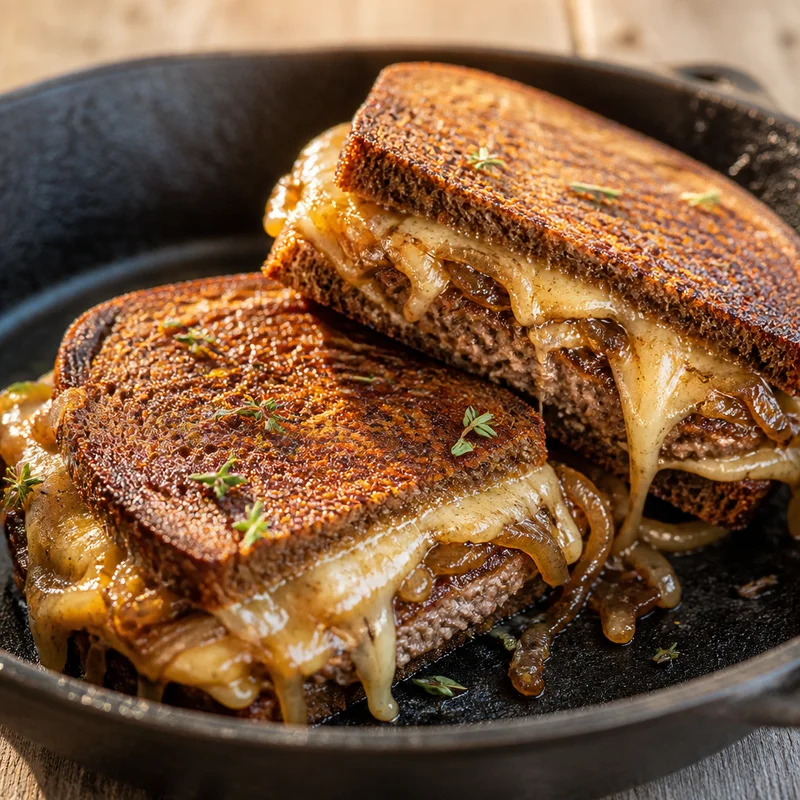
French Onion Patty Melts on Rye

Dark Roux Seafood Gumbo with Quick Shrimp Stock
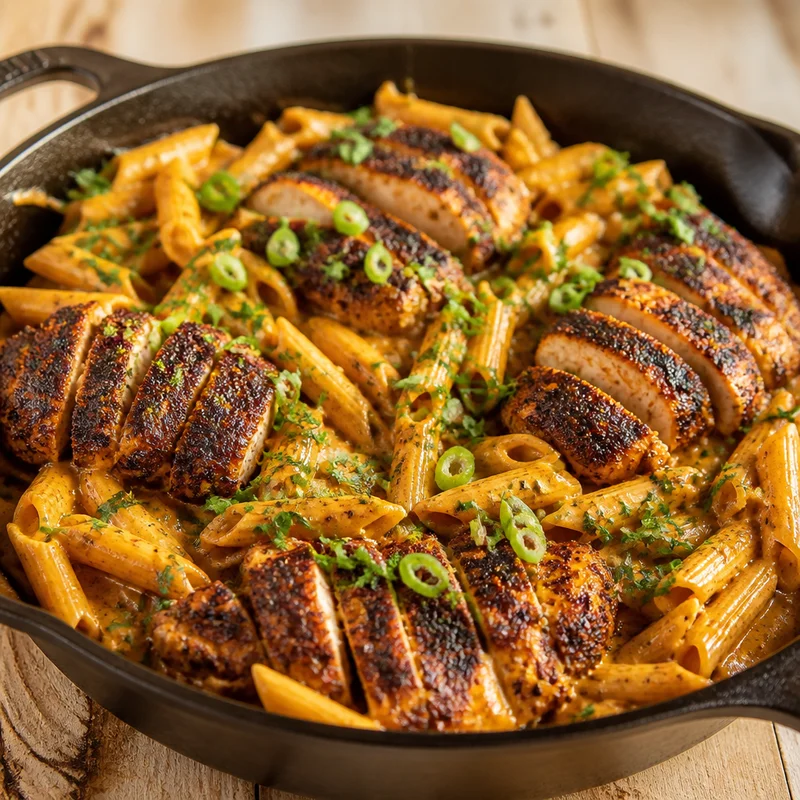
One-Skillet Blackened Cajun Chicken Pasta
Are you this recipe's original author or publisher? Report a problem