Sprig Originals's kitchen / Korean Short Rib Soup with Radish and Glass Noodles
Korean Short Rib Soup with Radish and Glass Noodles
 By Sprig Originals · cooked up in Sprig
Worked out from this recipe's ingredients. If you're cooking for an allergy, always read the full ingredient list.
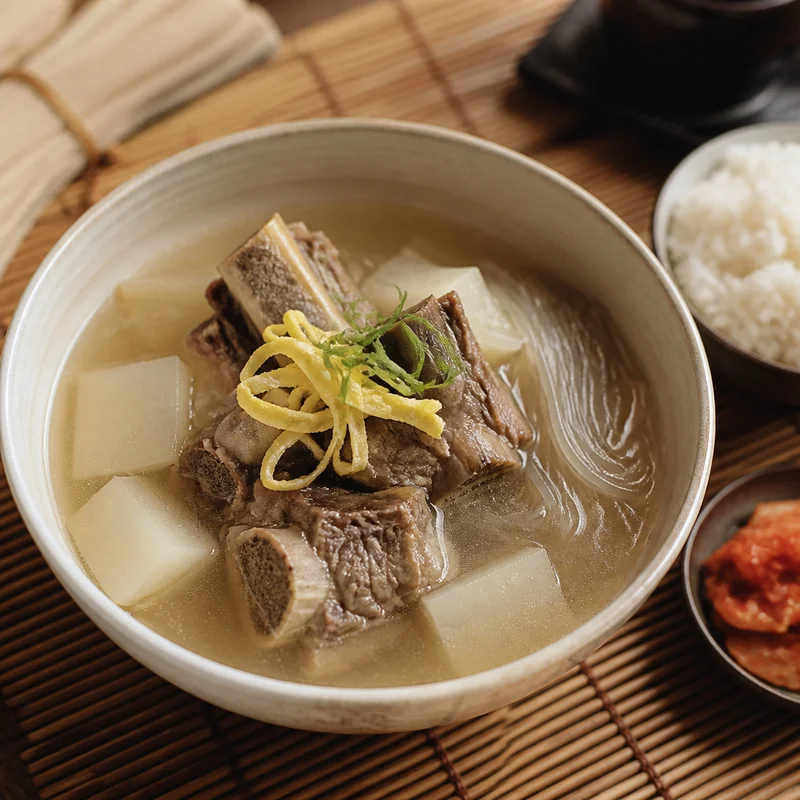
A crystal-clear Korean short rib soup built the traditional way: the ribs get a cold-water soak and a hard parboil so the broth simmers up clean and pale gold instead of murky. Sweet chunks of Korean radish go in near the end, glass noodles slip in at the last minute, and the whole pot is seasoned lightly with soup soy sauce so the beef flavor stays front and center. A quick bloomed gochugaru paste on the side turns any bowl spicy without clouding the pot.
Ingredients
Beef and Broth
- 3 lb bone-in beef short ribs, English cut, cut into 2-inch pieces
- 14 cups cold water, plus more for soaking and parboiling
- 1 medium yellow onion, peeled and halved
- 8 cloves garlic, peeled
- 1 2-inch piece fresh ginger, sliced into coins
- 3 scallions, white parts only (save greens for garnish)
- 1 dried shiitake mushroom (optional, for depth)
Soup
- 1 lb Korean radish (mu) or daikon, peeled and cut into 1 1/2-inch chunks
- 3 oz Korean sweet potato glass noodles (dangmyeon)
- 1 tbsp Korean soup soy sauce (guk-ganjang)
- 2 tsp minced garlic
- 1 1/2 tsp kosher salt, plus more to taste
- 1/2 tsp freshly ground black pepper
- 1 tsp toasted sesame oil
To Finish
- 3 scallion greens, thinly sliced
- 1 large egg, separated (optional egg-ribbon garnish)
- Steamed short-grain rice, for serving
- Kimchi, for serving
Optional Spicy Gochugaru Paste
- 2 tbsp gochugaru (Korean coarse red pepper flakes)
- 2 tbsp neutral oil
- 1 tbsp soup soy sauce or regular soy sauce
- 1 tsp minced garlic
- 1/2 tsp toasted sesame oil
Instructions
- Place the short ribs in a large bowl and cover with cold water by 2 inches. Soak 45 minutes at room temperature (or up to 2 hours in the fridge), changing the water once. The water will turn pink as blood is drawn out — this is the first step toward a clear broth. Drain.
- Put the soaked ribs in a large pot, cover with fresh cold water by 2 inches, and bring to a hard boil over high heat. Boil uncovered for 8 minutes, skimming nothing — you want the gray foam to rise. Drain the ribs into a colander.
- Rinse each rib piece under cool running water, rubbing off any clinging gray scum, and scrub the pot clean. Skipping this rinse is the single most common reason galbitang comes out cloudy.
- Return the rinsed ribs to the clean pot. Add 14 cups cold water, the onion halves, whole garlic cloves, ginger coins, scallion whites, and dried shiitake if using. Bring to a boil over high heat, then immediately reduce to a bare simmer — barely trembling, with only a few bubbles breaking the surface. A rolling boil emulsifies fat into the broth and clouds it.
- Simmer uncovered or with the lid ajar for 1 hour 45 minutes to 2 hours, skimming foam and fat from the surface every 20 minutes or so, until the meat is tender enough to pull from the bone with light pressure but still holding together. Top up with hot water if the level drops below the ribs.
- Using tongs, lift out and discard the onion, ginger, scallion whites, garlic, and shiitake. For the cleanest result, strain the broth through a fine-mesh sieve into a bowl, wipe the pot, and return broth and ribs to the pot.
- Add the radish chunks and simmer gently for 20 to 25 minutes, until they are translucent at the edges and tender when pierced. Meanwhile, soak the glass noodles in warm tap water for 20 minutes, then drain.
- Season the broth with the soup soy sauce, 2 teaspoons minced garlic, 1 1/2 teaspoons salt, the black pepper, and the sesame oil. Taste and adjust with salt — it should taste gently savory and beefy, not sharply salty. Simmer 5 more minutes.
- If making the egg garnish, beat the yolk and white separately with a pinch of salt. Cook each in a lightly oiled nonstick skillet over low heat as a thin flat omelet, about 1 minute per side, then slice into thin ribbons.
- For the spicy version, warm the neutral oil in a small skillet over low heat, add the gochugaru, and stir 30 to 45 seconds until fragrant and deep red — do not let it smoke or it will turn bitter. Off heat, stir in the soy sauce, garlic, and sesame oil. Serve it in a small bowl so each person can stir 1 to 2 teaspoons into their soup, or stir all of it into the pot for a fully spicy galbitang.
- Add the drained glass noodles to the simmering pot and cook 2 to 3 minutes, just until slippery and translucent. Ladle ribs, radish, noodles, and plenty of broth into deep bowls, top with scallion greens and egg ribbons, and serve with hot rice and kimchi.
Chef's tips
- Best made a day ahead: cool the finished broth (before adding noodles) and refrigerate overnight. The fat sets into a solid cap you can lift off in one piece, giving you a cleaner, deeper-tasting soup. Reheat, then cook the noodles fresh.
- Korean radish (mu) is squatter and denser than daikon and holds its shape better — look for it at Korean or pan-Asian markets. Daikon works but goes soft faster, so check it at 15 minutes.
- Add the glass noodles only to the portion you plan to eat now. Left sitting in hot broth they bloat and drink up the liquid.
- Soup soy sauce (guk-ganjang) is saltier and lighter in color than regular soy sauce, which is why it seasons without darkening the broth. If you only have regular soy sauce, use 2 teaspoons and make up the rest with salt.
- Ask the butcher for 2-inch English-cut short ribs, meatier flanken, or add a couple of beef marrow bones to the pot for extra body.
Nutrition (per serving, estimated)
682calories
38gprotein
33gcarbs
42gfat
Estimates only — values vary with brands and portions.
Made with Sprig
Korean Short Rib Soup with Radish and Glass Noodles was created in Sprig — the AI chef that turns any craving into a complete recipe, plans your week, and shops with one smart list.
Free to start · 14-day Pro trial · cancel anytime
Not ready yet? Get the occasional recipe worth cooking — a couple a month at most.
You're on the list — check your inbox!
Unsubscribe anytime. Privacy Policy
More from Sprig Originals
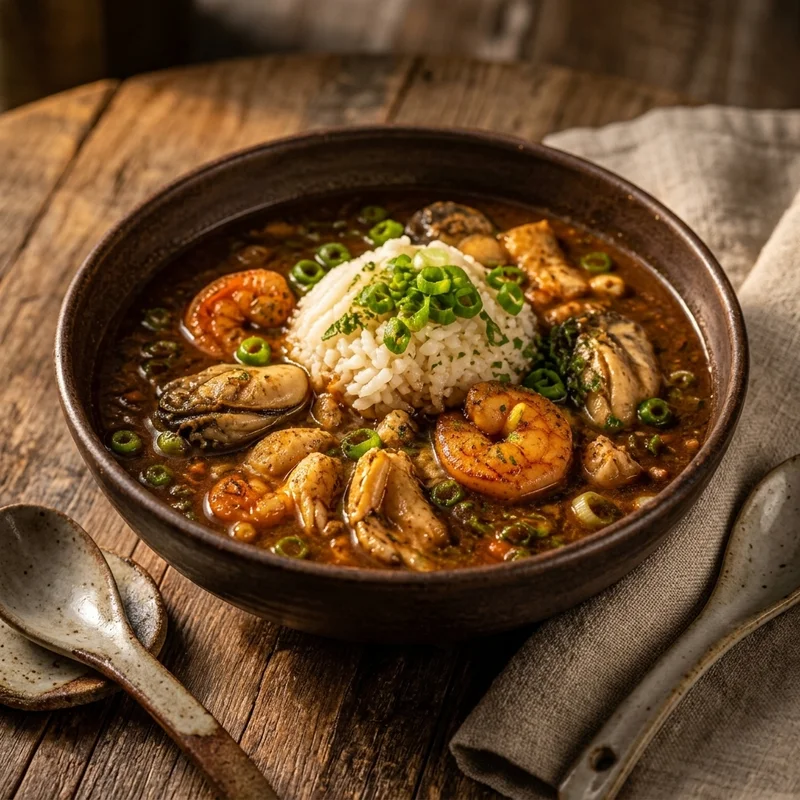
Dark Roux Seafood Gumbo with Quick Shrimp Stock
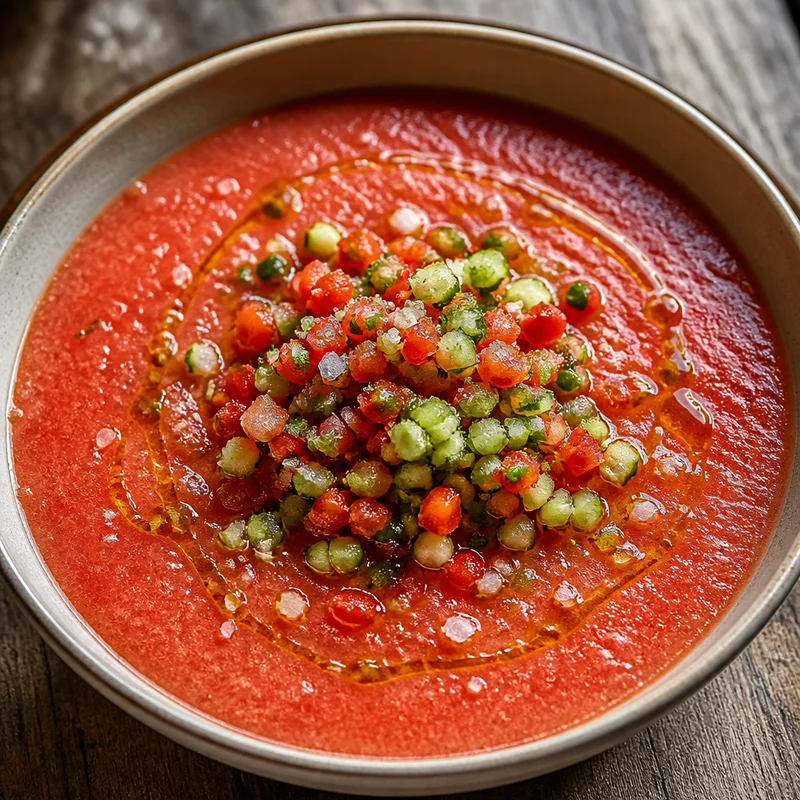
Chilled Watermelon Gazpacho with Cucumber-Chile Relish
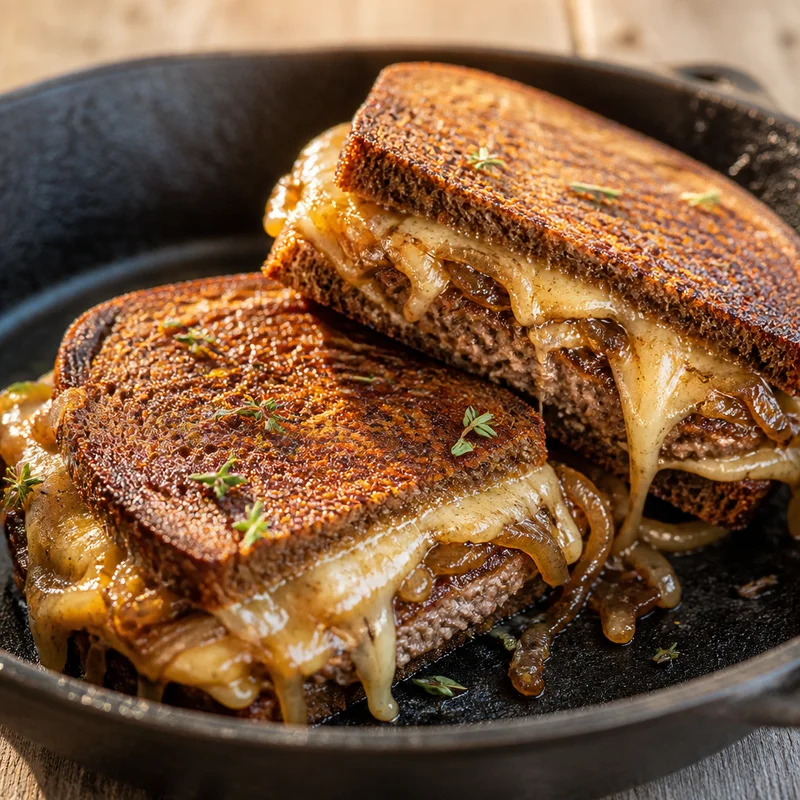
French Onion Patty Melts on Rye
Are you this recipe's original author or publisher? Report a problem