Sprig Originals's kitchen / Two-Stage Water Kefir with Ginger, Lemon and Berries
Two-Stage Water Kefir with Ginger, Lemon and Berries
 By Sprig Originals · cooked up in Sprig
Worked out from this recipe's ingredients. If you're cooking for an allergy, always read the full ingredient list.
A living, lightly sweet sparkling drink made from water kefir grains — no alcohol, no soda machine, no special equipment beyond a jar and a flip-top bottle. The first ferment builds the tangy base in 24 to 48 hours on the counter; the second, bottled ferment is where the fizz comes from, carbonated by fruit sugars rather than a CO2 tank. Once you have grains, each batch costs pennies and the pipeline never stops.
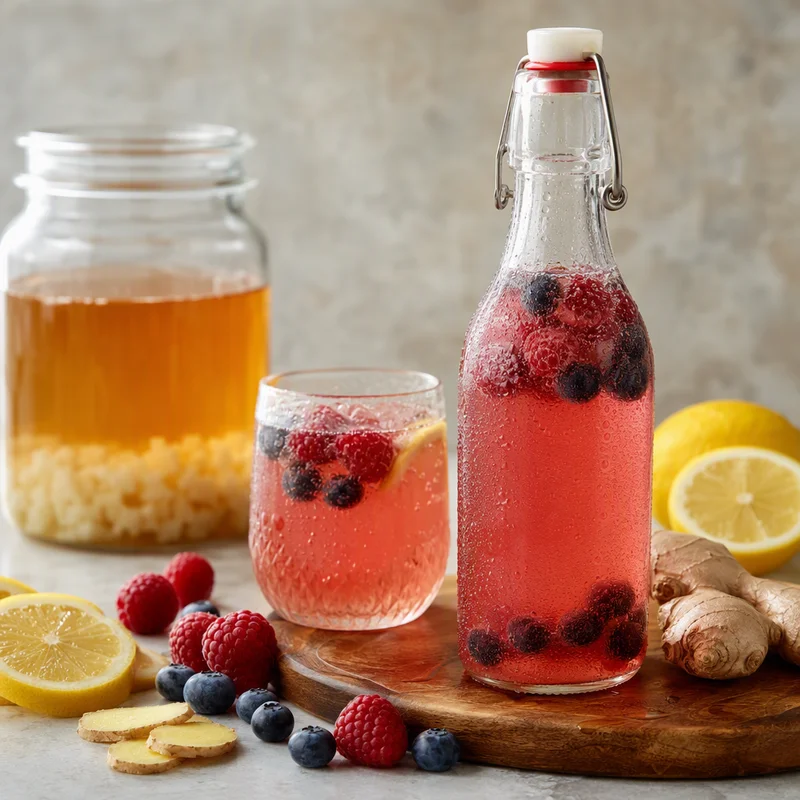
Ingredients
First Ferment (the base)
- 4 cup filtered or spring water, divided (not chlorinated tap water)
- 1/4 cup organic cane sugar
- 1 tbsp unsulphured molasses or 1 tbsp rapadura/sucanat (optional, for minerals)
- 3 tbsp active water kefir grains (about 1/4 cup, hydrated)
- 2 unsulphured dried figs or 6 organic raisins
- 2 slice organic lemon, unwaxed
Second Ferment (the fizz and flavor)
- 1/3 cup fresh strawberries or raspberries, sliced
- 1 tbsp fresh ginger, peeled and thinly sliced
- 2 tbsp fresh lemon juice
- 1 tsp cane sugar or 1 tbsp 100% fruit juice per bottle (fizz fuel)
- 1 sprig fresh mint or basil (optional)
Instructions
- Sanitize your gear: wash a 1-quart (32 oz) wide-mouth glass jar, a plastic or nylon fine-mesh strainer, a silicone or wooden spoon, and two 16 oz flip-top (Grolsch-style) bottles in hot soapy water and rinse very well. Avoid reactive metals like aluminum and copper — stainless steel is fine for brief contact only.
- Make the sugar water: put the 1/4 cup cane sugar and optional molasses in the jar with 1 cup of hot water (about 120°F / 50°C) and stir until fully dissolved, about 1 minute. Add the remaining 3 cups cool filtered water and check the temperature — it must be between 68°F and 80°F (20–27°C) before the grains go in. Anything above 85°F can damage them.
- Add 3 tablespoons of active water kefir grains, the dried figs or raisins, and the 2 lemon slices. Stir gently with a silicone or wooden spoon. Cover the jar with a coffee filter, cheesecloth, or paper towel secured with a rubber band — the culture needs airflow, not an airtight seal.
- Ferment on the counter, out of direct sunlight, at 70–78°F (21–26°C) for 24 to 48 hours. At 24 hours the liquid should smell faintly yeasty-sweet and taste like lightly tart lemonade; the figs will float when the ferment is active. Taste with a clean spoon every 12 hours after that and stop when it is pleasantly tangy but not vinegary — the longer it goes, the less sugar remains.
- Strain the finished kefir through the plastic mesh strainer into a clean bowl or pitcher. Pick out and discard the figs and lemon slices. Reserve the grains in the strainer — they are your starter for the next batch.
- Immediately start the grains again: return them to the rinsed jar with a fresh batch of 1/4 cup sugar dissolved in 4 cups filtered water. If you need a break, cover the grains with the same sugar water and refrigerate up to 2 weeks, then wake them with two short 24-hour room-temperature batches before drinking the results.
- Set up the second ferment: divide the sliced strawberries, ginger slices, lemon juice, and optional mint between the two flip-top bottles. Add 1 teaspoon sugar or 1 tablespoon fruit juice to each bottle as fizz fuel.
- Pour the strained kefir into the bottles, leaving 1 to 1 1/2 inches of headspace at the top. Seal the flip-tops tightly. Label each bottle with the date and time.
- Carbonate at room temperature (70–75°F / 21–24°C) for 12 to 36 hours. Starting at hour 12, 'burp' each bottle once a day by cracking the top over the sink for 2 seconds — you should hear a hiss. When the release is sharp and confident, carbonation is where you want it.
- Refrigerate the sealed bottles at least 6 hours, ideally overnight; cold liquid holds CO2 far better and keeps the ferment from over-pressurizing. Chill for a full 12 hours before opening for the first time.
- Open cold and slowly over the sink, pour through a small strainer if you would rather leave the fruit behind, and serve over ice with a fresh lemon wheel. Drink within 2 weeks — the flavor keeps drying out and sharpening in the fridge.
Chef's tips
- Chlorine kills kefir grains. If you only have chlorinated tap water, boil it for 15 minutes and cool to room temperature, or leave it uncovered overnight, or run it through a carbon filter.
- Healthy grains multiply — expect to have 25 to 50 percent more after a couple of weeks. Give the extras to a friend, or blend surplus grains into a smoothie rather than throwing them out.
- Never seal the first ferment airtight in glass. It needs to breathe, and a closed jar of active culture can build dangerous pressure.
- Watch the temperature, not just the clock: a 78°F kitchen may finish in 20 hours while a 66°F one takes a full 48. Slow ferments are fine; hot ones taste harsh.
- Water kefir typically finishes at well under 0.5% alcohol, but long, warm second ferments push that number up. Keep the second ferment to 24 hours or less and refrigerate promptly if you want it as close to zero as possible.
- Great flavor swaps for the second ferment: 2 tablespoons pineapple juice with mint; sliced peach with a cracked cardamom pod; 1 tablespoon hibiscus flowers with orange peel; grated ginger with a pinch of turmeric.
- If a batch tastes flat and sweet, the grains are sluggish — add the molasses or a pinch of unrefined sugar for minerals, and make sure you are not using metal utensils or dish soap residue.
Nutrition (per serving, estimated)
62calories
0gprotein
16gcarbs
0gfat
Estimates only — values vary with brands and portions.
Made with Sprig
Two-Stage Water Kefir with Ginger, Lemon and Berries was created in Sprig — the AI chef that turns any craving into a complete recipe, plans your week, and shops with one smart list.
Free to start · 14-day Pro trial · cancel anytime
Not ready yet? Get the occasional recipe worth cooking — a couple a month at most.
You're on the list — check your inbox!
Unsubscribe anytime. Privacy Policy
More from Sprig Originals
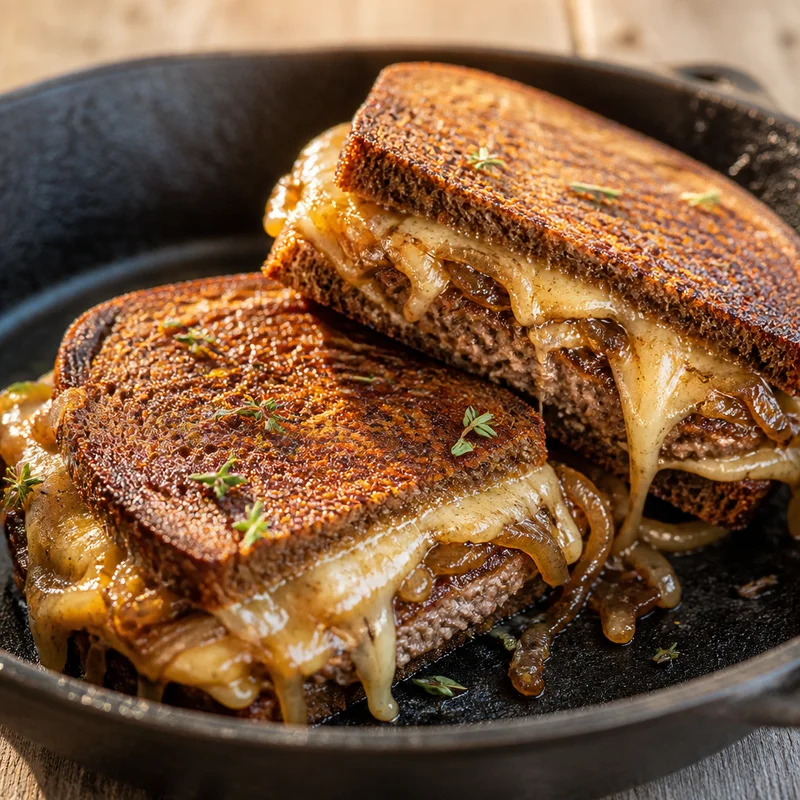
French Onion Patty Melts on Rye
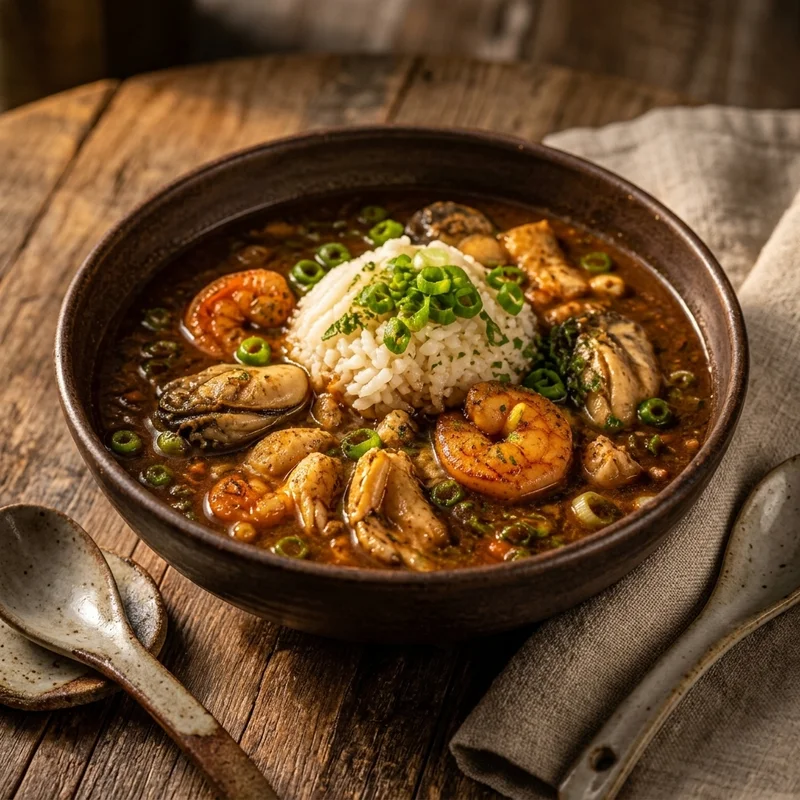
Dark Roux Seafood Gumbo with Quick Shrimp Stock
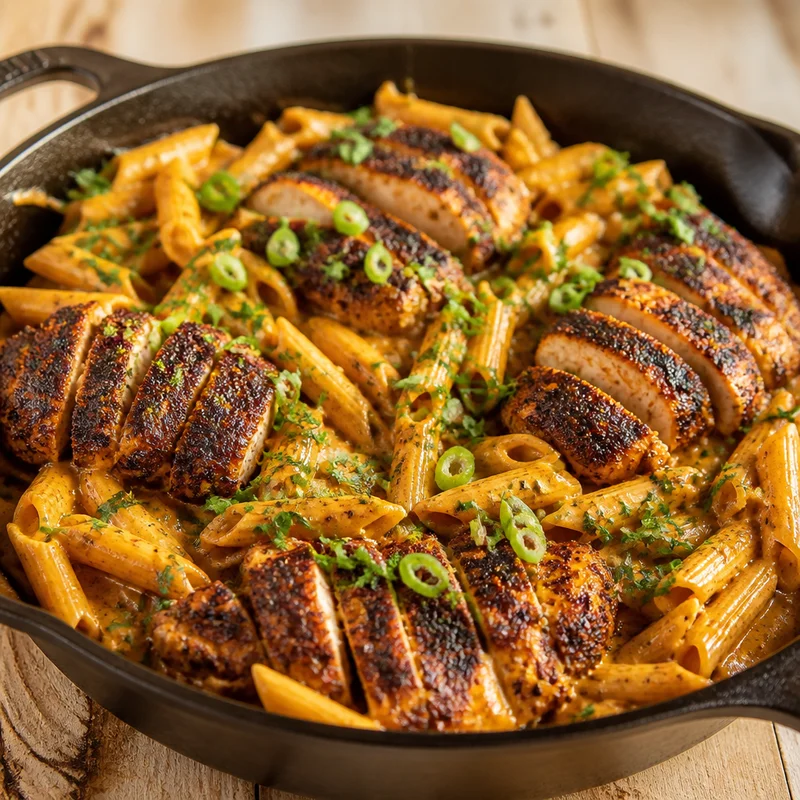
One-Skillet Blackened Cajun Chicken Pasta
Are you this recipe's original author or publisher? Report a problem