Sprig Originals's kitchen / Classic Vanilla Layer Cake with Silky Vanilla Bean Buttercream
Classic Vanilla Layer Cake with Silky Vanilla Bean Buttercream
 By Sprig Originals · cooked up in Sprig
Worked out from this recipe's ingredients. If you're cooking for an allergy, always read the full ingredient list.
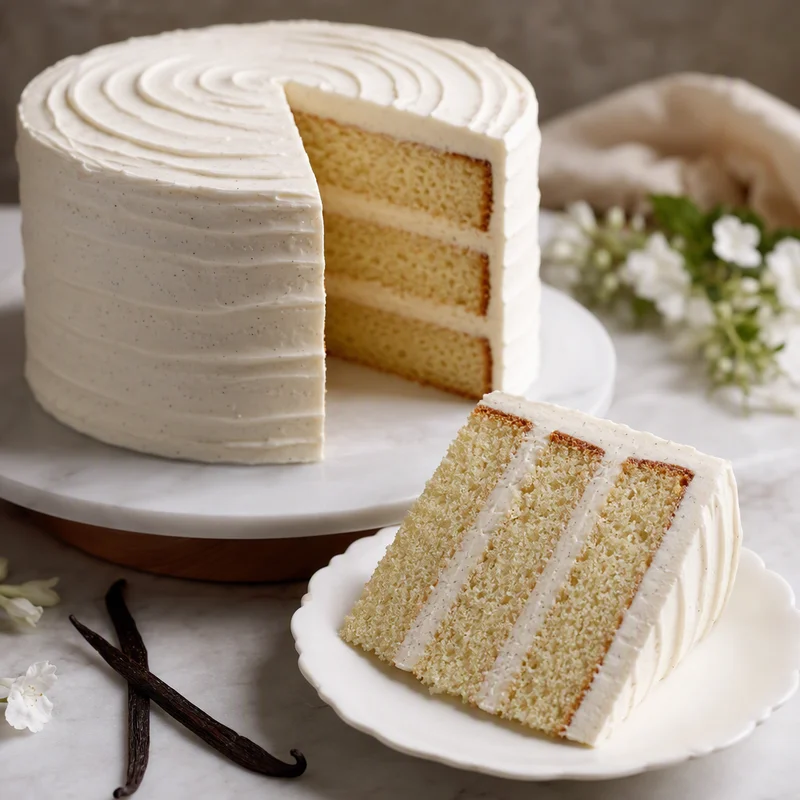
The birthday cake standard, built the way bakeries do it: a reverse-creamed cake flour batter with buttermilk and a splash of oil for a plush, velvety crumb that stays moist for days, plus a vanilla bean Swiss meringue buttercream that's glossy and light instead of gritty-sweet. Three tall layers, a vanilla syrup soak, and a smooth finish you can pull off with a butter knife and a little patience.
Ingredients
Vanilla Cake
- 3 cups cake flour (360 g), spooned and leveled
- 2 cups granulated sugar (400 g)
- 2 1/2 tsp baking powder
- 1/2 tsp baking soda
- 1 tsp fine sea salt
- 1 cup unsalted butter (226 g), softened to 67°F and cubed
- 1/4 cup neutral oil, such as canola
- 4 large eggs, room temperature
- 2 large egg yolks, room temperature
- 1 cup buttermilk, room temperature
- 1 tbsp vanilla bean paste or pure vanilla extract
Vanilla Soak
- 1/4 cup granulated sugar
- 1/4 cup water
- 1 tsp vanilla extract
Vanilla Bean Swiss Meringue Buttercream
- 5 large egg whites (150 g)
- 1 1/4 cups granulated sugar (250 g)
- 1/4 tsp fine sea salt
- 1 1/2 cups unsalted butter (340 g), softened to 67°F and cubed
- 1 tbsp vanilla bean paste
- 2 tsp heavy cream, if needed
- rainbow sprinkles, for finishing (optional)
Instructions
- Heat the oven to 350°F with a rack in the center. Butter three 8-inch round cake pans, line the bottoms with parchment rounds, then butter the parchment and dust the sides lightly with flour. Set the eggs, yolks, and buttermilk on the counter for 30 minutes if they are still cold — room-temperature dairy is what keeps this batter from breaking.
- Whisk the cake flour, sugar, baking powder, baking soda, and salt in the bowl of a stand mixer fitted with the paddle (or a large bowl for a hand mixer). Mix on low for 20 seconds to distribute the leaveners evenly.
- Add the cubed softened butter and the oil to the dry ingredients. Mix on low speed for 2 to 3 minutes, until the mixture looks like damp sand with no dry floury patches and no visible butter chunks. This reverse-creaming step coats the flour in fat and is why the crumb comes out tender and fine rather than fluffy-dry.
- In a measuring cup, whisk together the eggs, egg yolks, buttermilk, and vanilla bean paste. With the mixer on low, pour in one-third of the liquid and mix 15 seconds, then raise the speed to medium and beat 60 seconds to build structure. Scrape the bowl, then add the remaining liquid in two additions, mixing 20 to 30 seconds after each on medium-low. Finish with a rubber spatula, scraping the bottom of the bowl; the batter should be smooth, pourable, and the color of buttermilk.
- Divide the batter evenly among the three pans — about 1 pound 2 ounces (roughly 510 g) per pan if you have a scale — and smooth the tops. Rap each pan once on the counter to release large air pockets.
- Bake 24 to 28 minutes, rotating the pans front to back at 18 minutes, until the tops spring back when pressed lightly, the edges just pull from the pan, and a toothpick in the center comes out with a few moist crumbs. Do not wait for a completely dry toothpick. Cool in the pans 12 minutes, then turn out onto racks, peel the parchment, and cool completely, about 1 hour.
- While the cakes cool, make the soak: combine the sugar and water in a small saucepan, bring to a simmer over medium heat, stir until the sugar dissolves (about 1 minute), then remove from the heat and stir in the vanilla. Cool to room temperature.
- For the buttercream, wipe the stand mixer bowl and whisk with a paper towel dampened with vinegar or lemon juice to remove any grease. Add the egg whites, sugar, and salt to the bowl and set it over a saucepan with 1 inch of barely simmering water. Whisk constantly, scraping the sides, for 4 to 6 minutes until the sugar is fully dissolved and an instant-read thermometer registers 160°F. Rub a drop between your fingers — it should feel completely smooth.
- Move the bowl to the mixer and whip on medium-high with the whisk attachment for 8 to 10 minutes, until you have a thick, glossy meringue that holds a stiff peak and the outside of the bowl feels cool to the touch — this cooling matters. Switch to the paddle and add the butter a few cubes at a time on medium speed, waiting about 10 seconds between additions.
- The buttercream will look soupy and then curdled around the 6-minute mark. Keep beating on medium for another 3 to 5 minutes and it will suddenly come together into a silky, ivory frosting. Beat in the vanilla bean paste, plus 1 to 2 teaspoons heavy cream if you want it extra soft, then paddle on the lowest speed for 2 minutes to knock out air bubbles.
- Level the cake layers with a serrated knife if domed. Set the first layer on a plate or cake board, brush the top with about one-third of the vanilla soak, and spread a generous 3/4 cup of buttercream to the edges. Repeat with the second layer, then place the third layer cut-side down, brush with the last of the soak, and press gently so the layers settle flush.
- Spread a thin crumb coat of buttercream over the top and sides, sealing in all the loose crumbs, and chill 20 minutes until firm to the touch. Finish with the remaining buttercream, smoothing the sides with an offset spatula or bench scraper held vertically while you turn the cake. Press sprinkles around the base if using.
- Let the finished cake sit at room temperature for at least 45 minutes before serving so the buttercream and crumb soften. Slice with a long knife wiped clean between cuts.
Chef's tips
- Butter temperature is the whole game: 67°F butter dents under your finger but still holds its shape. Too warm and the reverse-creamed batter won't hold air; too cold and the buttercream will stay curdled.
- If the buttercream refuses to come together after 8 minutes of beating, it's too cold — warm the outside of the bowl with a hot towel for 30 seconds and keep whipping. If it looks soupy, chill it 15 minutes and re-whip.
- No cake flour? Substitute 2 3/4 cups all-purpose flour plus 1/4 cup cornstarch, whisked together well. The crumb will be slightly sturdier but still tender.
- Bake the layers up to 2 days ahead: cool completely, wrap tightly in plastic while barely warm to trap moisture, and store at room temperature, or freeze up to 1 month.
- Only have two pans? Divide the batter between two 8-inch pans and bake 33 to 38 minutes, then split each layer horizontally for four thinner tiers.
- Leftover buttercream keeps 1 week refrigerated or 3 months frozen. Bring fully to room temperature and re-whip with the paddle for 5 minutes to restore the silky texture.
Nutrition (per serving, estimated)
821calories
7gprotein
95gcarbs
48gfat
Estimates only — values vary with brands and portions.
Made with Sprig
Classic Vanilla Layer Cake with Silky Vanilla Bean Buttercream was created in Sprig — the AI chef that turns any craving into a complete recipe, plans your week, and shops with one smart list.
Free to start · 14-day Pro trial · cancel anytime
Not ready yet? Get the occasional recipe worth cooking — a couple a month at most.
You're on the list — check your inbox!
Unsubscribe anytime. Privacy Policy
More from Sprig Originals
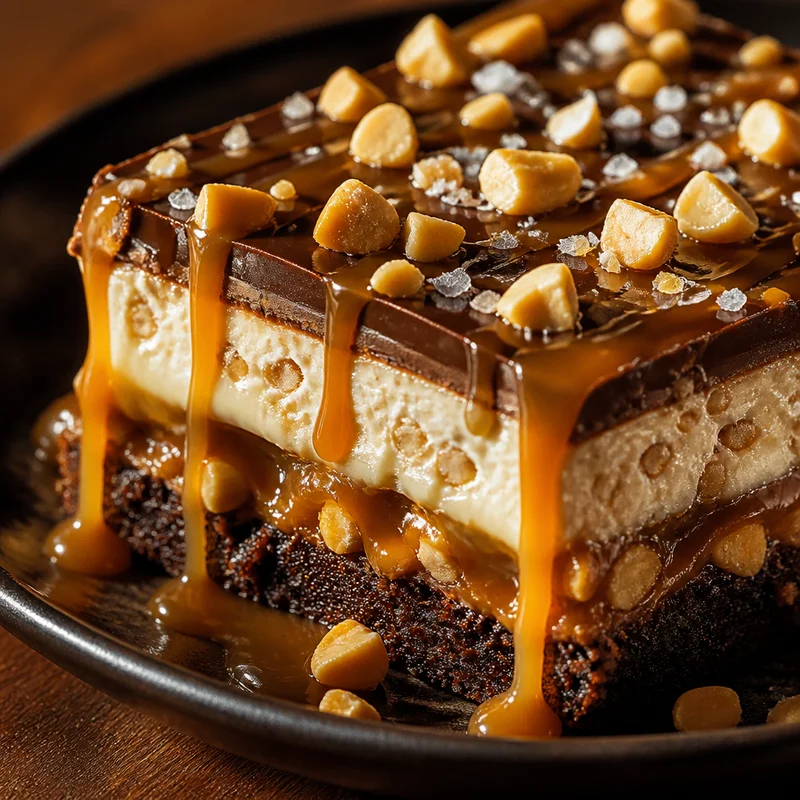
Frozen Chocolate–Caramel Peanut Nougat Bars
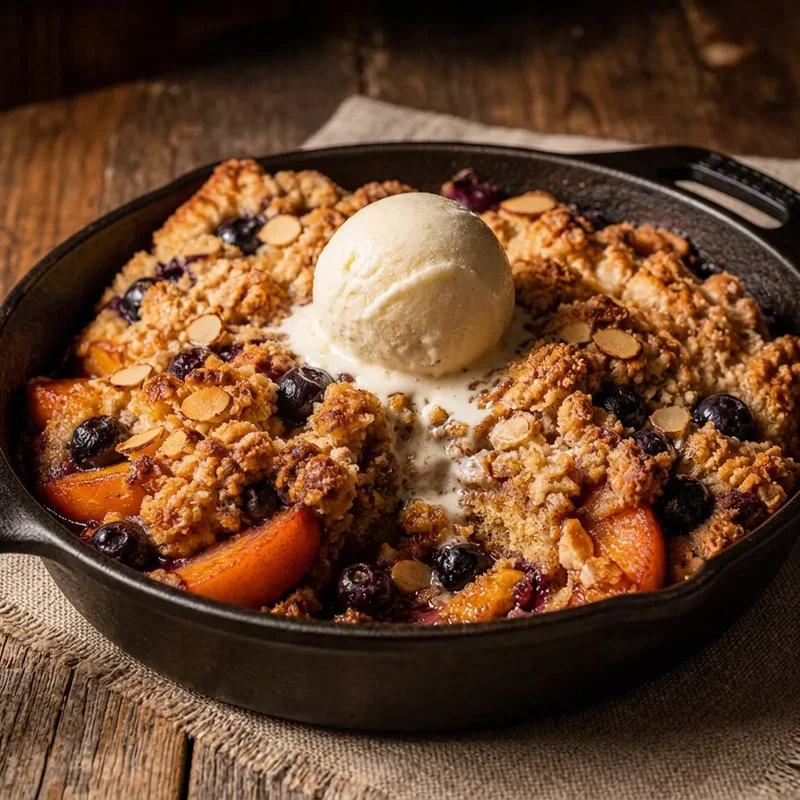
Blueberry Peach Buckle with Almond Streusel
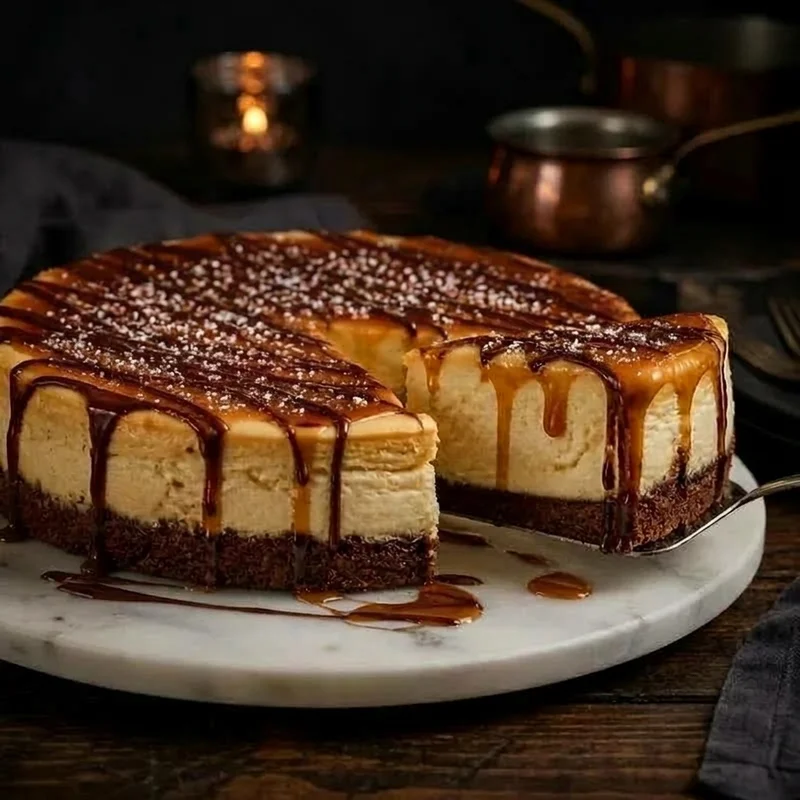
Creole Cream Cheese Cheesecake with Salted Caramel and Dark Chocolate
Are you this recipe's original author or publisher? Report a problem