Sprig Originals's kitchen / Melt-in-Your-Mouth Glazed Raised Doughnuts
Melt-in-Your-Mouth Glazed Raised Doughnuts
 By Sprig Originals · cooked up in Sprig
Worked out from this recipe's ingredients. If you're cooking for an allergy, always read the full ingredient list.
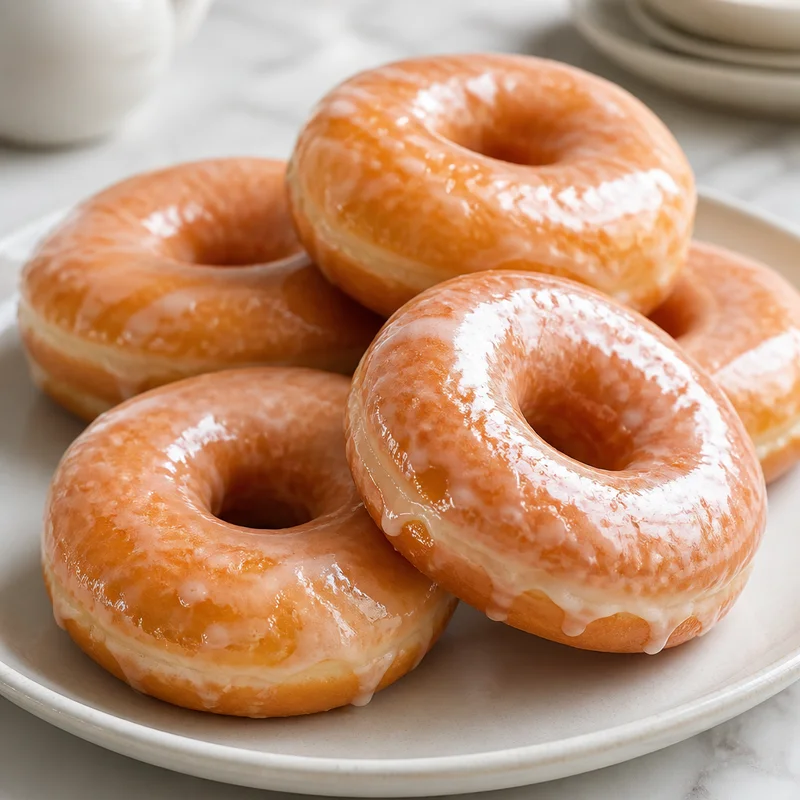
The doughnut that made drive-thru bakery windows famous, rebuilt for a home kitchen: a soft, enriched yeast dough with a spoonful of potato flakes for that shatter-thin, cotton-soft crumb, fried fast at 360°F and dunked in a warm vanilla bean glaze while still hot so it sets into a translucent crackle. Overnight cold-proof option built in, so you can fry the first batch before coffee.
Ingredients
Doughnut dough
- 3/4 cup whole milk, warmed to 110°F
- 2 1/4 tsp instant yeast (one 7 g packet)
- 1/4 cup granulated sugar
- 1 large egg
- 2 large egg yolks
- 4 tbsp unsalted butter, very soft
- 3 1/4 cups all-purpose flour (410 g), plus more for dusting
- 1/4 cup instant mashed potato flakes
- 1 1/4 tsp fine sea salt
- 1 tsp vanilla extract
- 1/4 tsp freshly grated nutmeg
For frying
- 6 cups neutral oil, such as canola or peanut
Vanilla bean glaze
- 3 cups powdered sugar (360 g), sifted
- 1/3 cup whole milk, plus up to 2 tbsp more
- 2 tbsp unsalted butter, melted
- 2 tsp vanilla bean paste (or vanilla extract)
- 1 tsp light corn syrup (for shine)
- 1 pinch fine sea salt
Instructions
- Whisk the warm milk (110°F — warm to the wrist, not hot) with the yeast and 1 tablespoon of the sugar in the bowl of a stand mixer. Let it sit 5 to 8 minutes, until foamy and smelling like bread. If nothing happens, your yeast is dead; start over.
- Add the remaining sugar, the whole egg, egg yolks, vanilla, and nutmeg and whisk to combine. Add the flour, potato flakes, and salt. Fit the mixer with the dough hook and mix on low for 2 minutes, until no dry flour remains and a shaggy dough forms.
- With the mixer on medium-low, add the soft butter 1 tablespoon at a time, letting each piece disappear before adding the next. Then knead on medium-low for 8 to 10 minutes. The dough should be smooth, glossy, and slightly tacky — it will pull away from the sides but still cling to the bottom of the bowl. If it looks soupy after 5 minutes, add flour 1 tablespoon at a time, up to 3 tablespoons.
- Scrape the dough into a greased bowl, cover, and let rise at room temperature for 1 to 1 1/2 hours, until doubled and puffy. For the best flavor and easiest handling, instead refrigerate the covered dough 8 to 12 hours overnight, then proceed straight to rolling while cold.
- Turn the dough onto a lightly floured counter and pat, then roll, to an even 1/2-inch thickness. Cut rounds with a 3-inch cutter and centers with a 1-inch cutter. Gather and re-roll scraps once (those doughnuts will be slightly chewier). You should get 12 doughnuts plus holes.
- Place the doughnuts and holes on parchment squares set on two baking sheets, leaving 2 inches between them. Cover loosely with a kitchen towel and proof at warm room temperature for 45 to 60 minutes (75 to 90 minutes if the dough came out of the fridge). They are ready when visibly puffed and jiggly, and a fingertip pressed gently into the side leaves a dent that fills back in slowly.
- While they proof, make the glaze: whisk the powdered sugar, 1/3 cup milk, melted butter, vanilla bean paste, corn syrup, and salt until completely smooth. It should ribbon off the whisk like heavy cream; thin with additional milk 1 teaspoon at a time. Set the bowl over a pan of barely simmering water, off the heat, to keep it warm and fluid.
- Pour the oil into a wide Dutch oven or deep skillet to a depth of 2 inches and heat over medium to 360°F, checking with a clip-on or instant-read thermometer. Set a wire rack over a sheet pan next to the stove.
- Lift a proofed doughnut by its parchment square and lower it into the oil, then slide the parchment out with tongs. Fry 2 or 3 at a time, never crowding, for 60 to 75 seconds per side, until deep golden with a pale white band around the middle. Flip once with chopsticks or a spider — the less you handle them, the lighter they stay.
- Drain on the rack for 60 seconds. Keep the oil between 355°F and 365°F between batches, adjusting the burner; fry the holes last, about 45 seconds per side, rolling them as they color.
- While each doughnut is still hot, dip it fully into the warm glaze, lift, let the excess run off for a few seconds, then flip glaze-side up onto the rack. Glaze applied to a hot doughnut soaks in slightly and dries into that thin, crackly shell; wait too long and it sits on top as a thick icing.
- Let the glaze set for 10 minutes, then eat. These are at their absolute peak within 2 hours of frying — plan your audience accordingly.
Chef's tips
- Temperature is the whole recipe. Below 350°F the doughnuts drink oil and turn heavy; above 375°F they brown before the centers cook. Check between every batch and let the oil recover for a minute if it drops.
- Under-proofed doughnuts are dense and often burst in the oil; over-proofed ones collapse and wrinkle. Use the slow-filling fingerprint test rather than the clock.
- No 3-inch cutter? Use an empty 15-ounce can with the label removed, and cut the centers with a metal piping tip or a large bottle cap.
- For a filled version, cut plain 3-inch rounds with no hole, fry 75 to 90 seconds per side, and pipe in raspberry jam or pastry cream with a long round tip once cool, then dip in glaze or roll in granulated sugar.
- Stale next-day doughnuts revive surprisingly well: 5 seconds in the microwave loosens the crumb and softens the glaze back to a shine.
Nutrition (per serving, estimated)
405calories
5gprotein
64gcarbs
15gfat
Estimates only — values vary with brands and portions.
Made with Sprig
Melt-in-Your-Mouth Glazed Raised Doughnuts was created in Sprig — the AI chef that turns any craving into a complete recipe, plans your week, and shops with one smart list.
Free to start · 14-day Pro trial · cancel anytime
Not ready yet? Get the occasional recipe worth cooking — a couple a month at most.
You're on the list — check your inbox!
Unsubscribe anytime. Privacy Policy
More from Sprig Originals
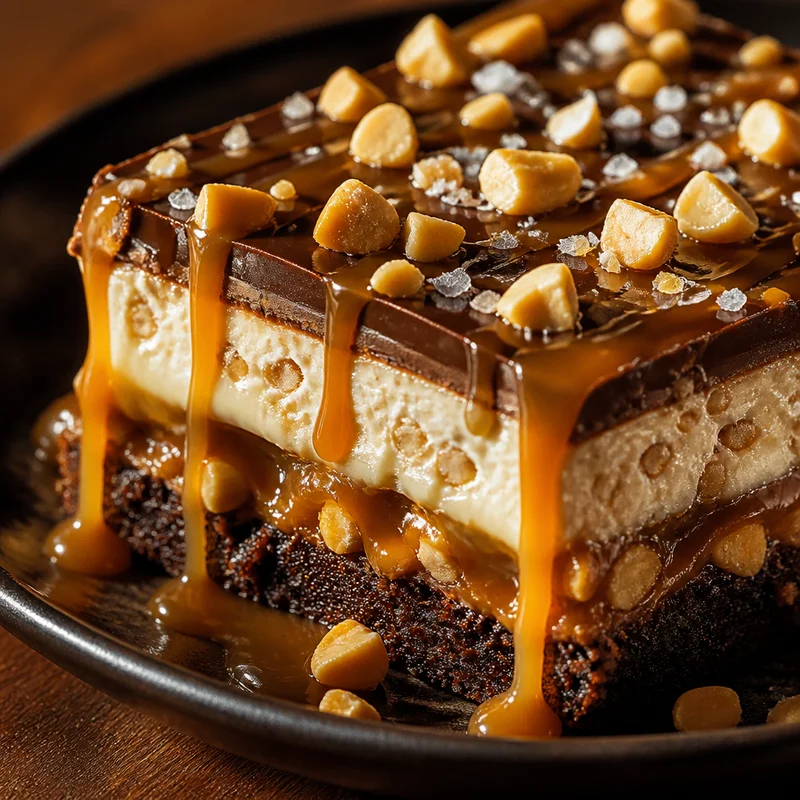
Frozen Chocolate–Caramel Peanut Nougat Bars
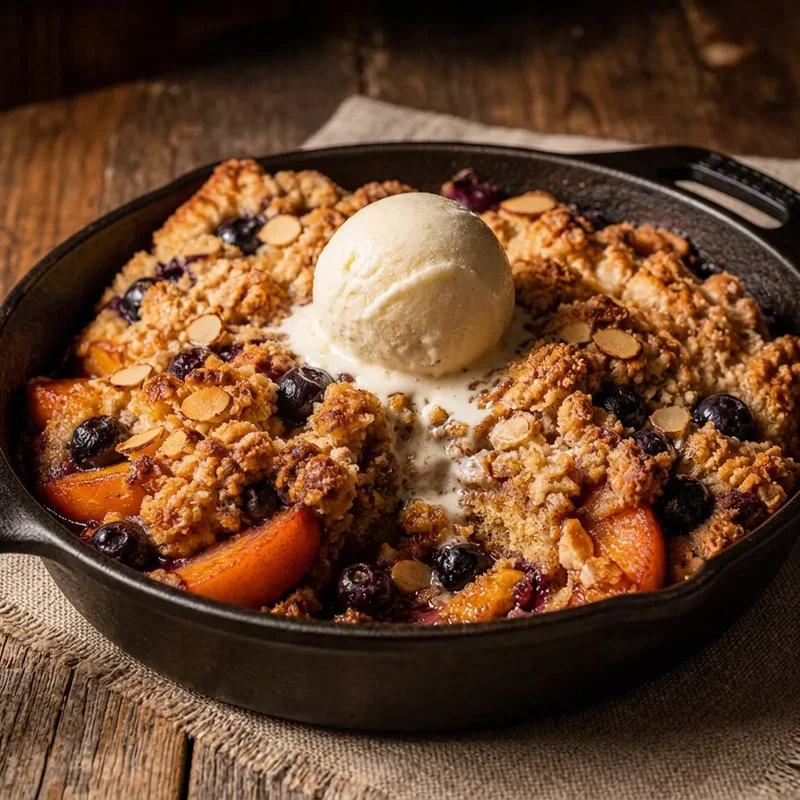
Blueberry Peach Buckle with Almond Streusel
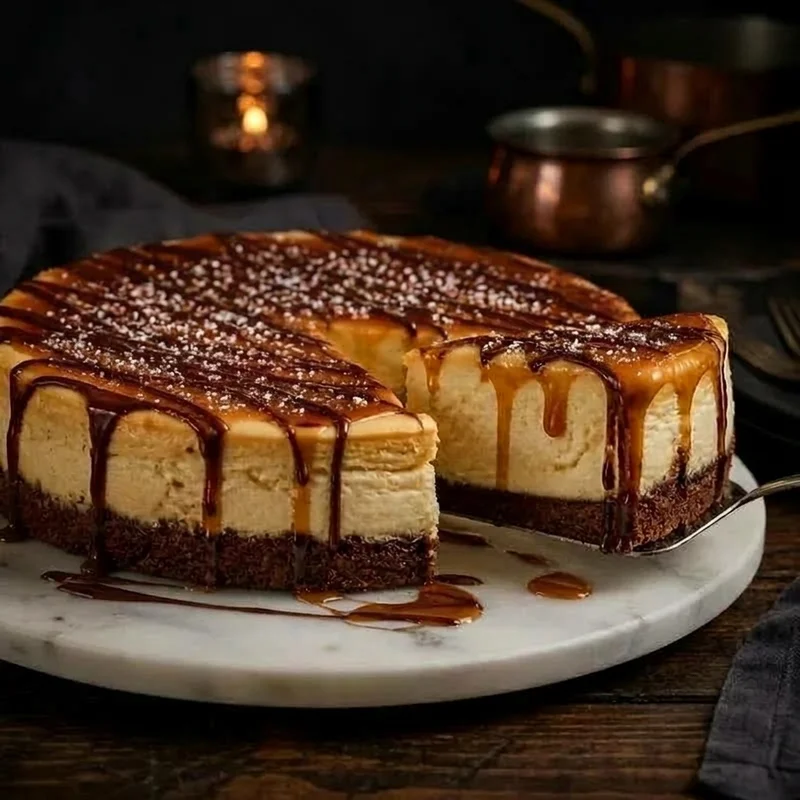
Creole Cream Cheese Cheesecake with Salted Caramel and Dark Chocolate
Are you this recipe's original author or publisher? Report a problem