Sprig Originals's kitchen / Burnt Basque Cheesecake
Burnt Basque Cheesecake
 By Sprig Originals · cooked up in Sprig
Worked out from this recipe's ingredients. If you're cooking for an allergy, always read the full ingredient list.
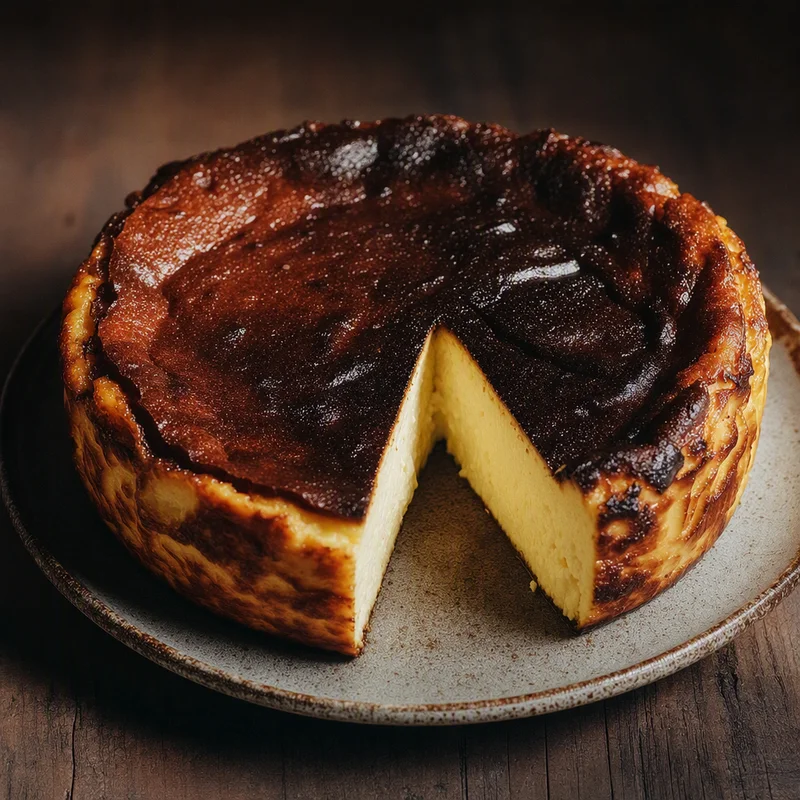
A crustless, custardy cheesecake baked hot and fast until the top goes deep mahogany and the center stays barely set. No crust to press, no water bath to fuss with — just a crumpled parchment sling, one bowl of batter, and a very hot oven. It slumps and cracks on purpose, and it tastes like caramelized cream.
Ingredients
Cheesecake
- 32 oz full-fat block cream cheese, at room temperature (four 8-oz blocks)
- 1 1/2 cups granulated sugar
- 1 tsp kosher salt
- 6 large eggs, at room temperature
- 2 cups heavy cream, at room temperature
- 2 tsp vanilla extract
- 1/4 cup all-purpose flour
For the pan
- 1 tbsp softened butter, for the pan
- 2 sheets parchment paper, about 16 inches long each
Instructions
- Take the cream cheese, eggs, and cream out of the fridge at least 1 hour ahead (2 hours is better). Room-temperature dairy is the only real trick to a lump-free batter.
- Position a rack in the middle of the oven and heat to 425°F. Rub the inside of a 9-inch springform pan (at least 3 inches deep) with softened butter. Crumple each sheet of parchment into a ball, then open it back up and press both sheets into the pan at right angles to each other, letting 2 to 3 inches overhang all around. Press the creases into the corners; the folds and pleats are part of the look.
- In a large bowl with an electric mixer on medium (or a stand mixer with the paddle), beat the cream cheese, sugar, and salt for 2 to 3 minutes, scraping the bowl twice, until completely smooth with no visible lumps. Do not skip the scraping — lumps will not disappear later.
- Add the eggs one at a time on low speed, beating just until each disappears, about 20 seconds each. Scrape the bowl and beater after the third egg. Keep the speed low from here on; you want a smooth, pourable batter, not an aerated one.
- On low speed, stream in the heavy cream and the vanilla and mix just until uniform, about 30 seconds.
- Sift the flour over the batter and mix on the lowest speed for 15 to 20 seconds, just until no dry streaks remain. For insurance, pour the batter through a fine-mesh sieve into the prepared pan, pressing any bits through with a spatula. Tap the pan gently on the counter to release large bubbles.
- Bake at 425°F for 50 to 65 minutes, rotating the pan once at the 30-minute mark. The cheesecake is done when the top is deeply browned — dark amber to nearly burnt in patches — the edges are puffed and set, and the center 3 inches still wobble like loose custard when you nudge the pan. An instant-read thermometer in the center should read 150°F to 155°F. If the top is browning fast but the center is still soupy at 45 minutes, tent loosely with foil and keep baking.
- Turn off the oven and set the pan on a rack. Let the cheesecake cool at room temperature for at least 4 hours; it will sink dramatically in the center and pull away from the parchment. That collapse is correct.
- Release the springform ring, peel the parchment down (leaving it under the cake for support), and slide the cheesecake onto a platter. Serve at room temperature for a molten, spoonable center, or chill 6 hours to overnight for clean, dense, sliceable wedges. Cut with a hot, dry knife, wiping between slices.
Chef's tips
- Use block cream cheese, not the tub kind — spreadable cream cheese has added water and gums and will bake loose and weepy.
- Set the springform on a rimmed baking sheet. Well-made pans rarely leak this thick batter, but butterfat can seep at 425°F and it smokes.
- Every oven browns differently. If yours runs cool or has a weak top element, finish under the broiler for 60 to 90 seconds, watching constantly, to get the signature dark top.
- For a deeper, more caramel-forward flavor, swap 1/4 cup of the granulated sugar for light brown sugar.
- Baked ahead: it keeps, covered, 4 days in the fridge and actually tastes better on day two. Let slices sit out 30 minutes before serving to soften the texture.
Nutrition (per serving, estimated)
525calories
9gprotein
33gcarbs
41gfat
Estimates only — values vary with brands and portions.
Made with Sprig
Burnt Basque Cheesecake was created in Sprig — the AI chef that turns any craving into a complete recipe, plans your week, and shops with one smart list.
Free to start · 14-day Pro trial · cancel anytime
Not ready yet? Get the occasional recipe worth cooking — a couple a month at most.
You're on the list — check your inbox!
Unsubscribe anytime. Privacy Policy
More from Sprig Originals
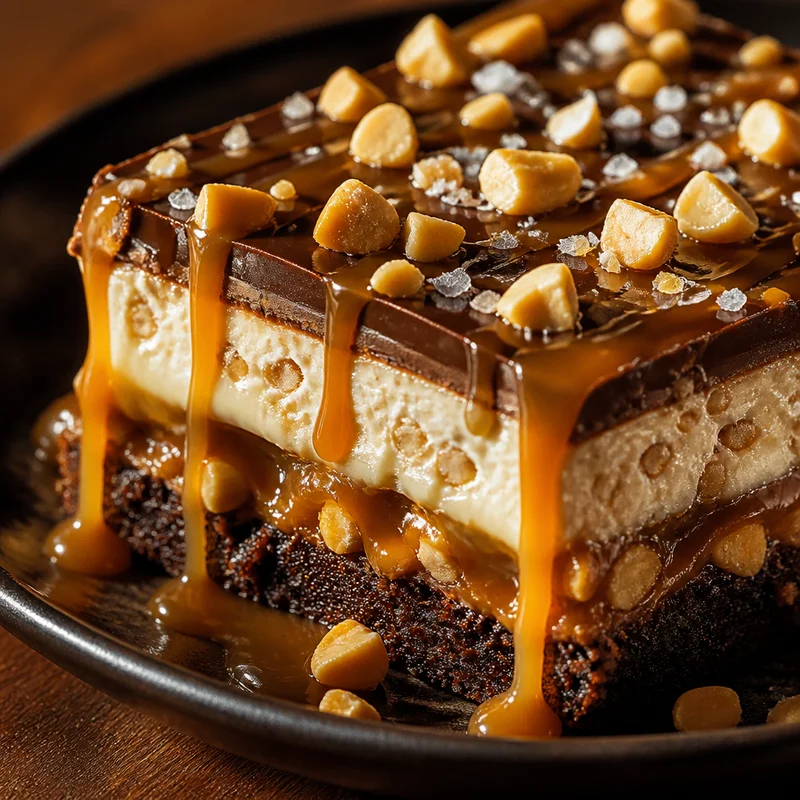
Frozen Chocolate–Caramel Peanut Nougat Bars
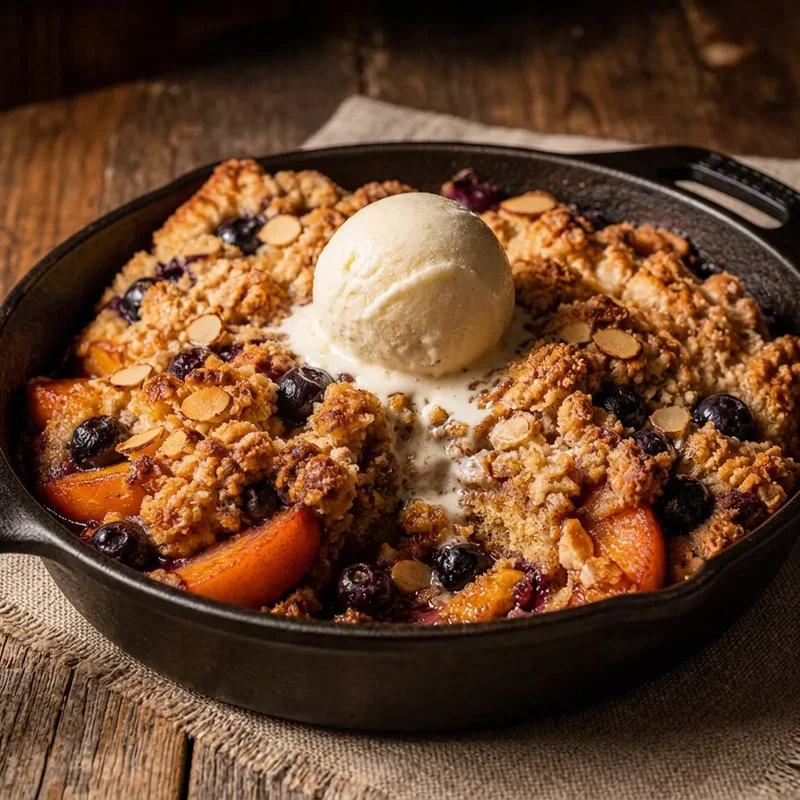
Blueberry Peach Buckle with Almond Streusel
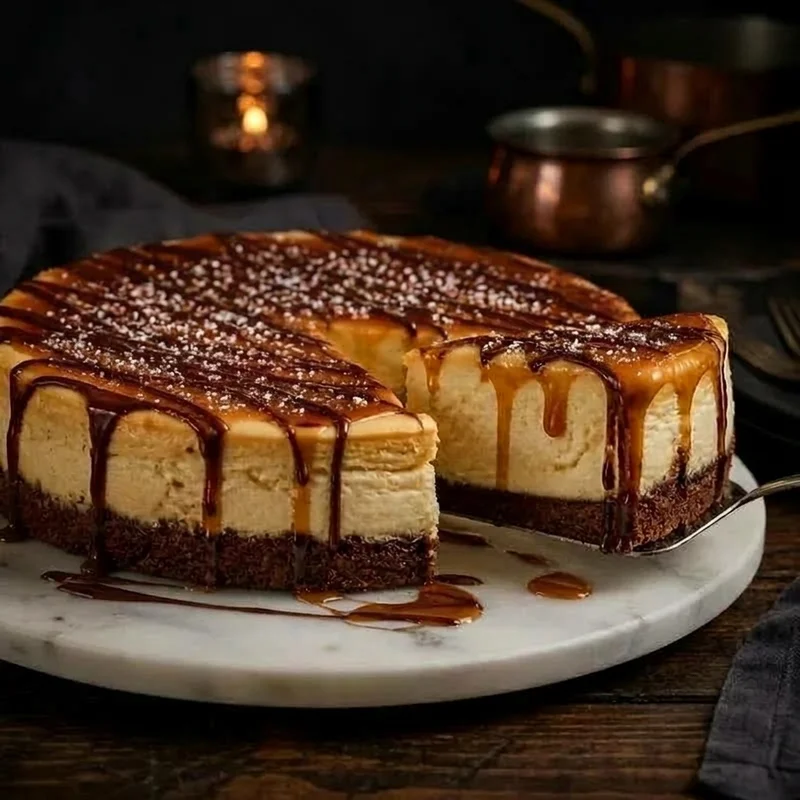
Creole Cream Cheese Cheesecake with Salted Caramel and Dark Chocolate
Are you this recipe's original author or publisher? Report a problem