Sprig Originals's kitchen / Tall Lemon Bars with a Crisp Shortbread Base
Tall Lemon Bars with a Crisp Shortbread Base
 By Sprig Originals · cooked up in Sprig
Worked out from this recipe's ingredients. If you're cooking for an allergy, always read the full ingredient list.
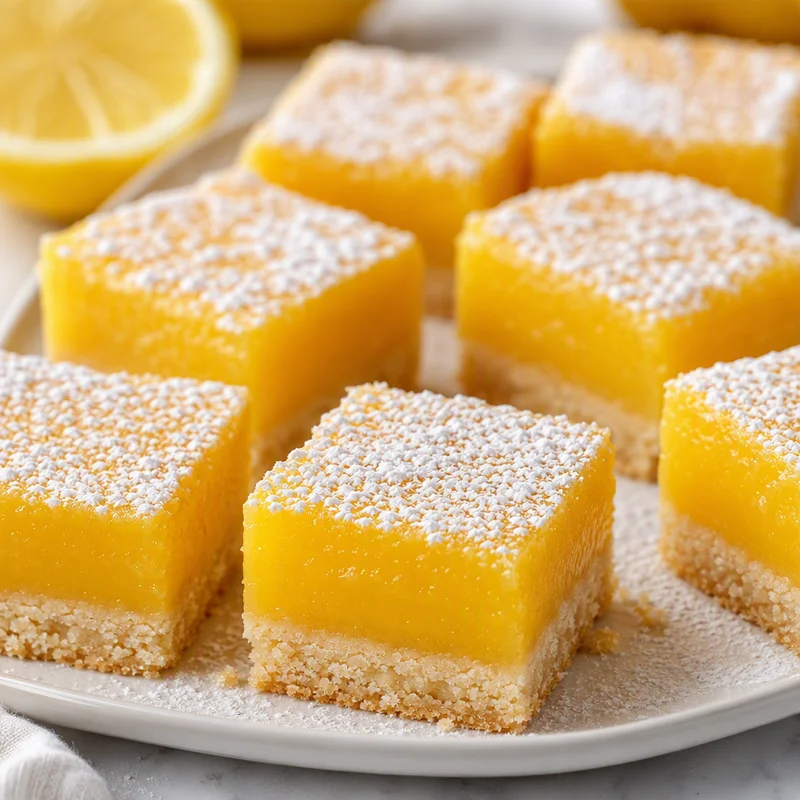
A deep bakery-case lemon bar: a press-in shortbread base baked until genuinely sandy-crisp, then flooded with a hot, strained lemon curd so the two layers fuse instead of leaking. The filling is nearly twice as thick as a standard bar, set gently at low heat so it slices clean, stays glossy, and tastes like real lemons rather than sugar. Fresh juice only, plenty of zest, and a whisper of salt to keep it bright.
Ingredients
Shortbread base
- 2 1/4 cups all-purpose flour (270 g)
- 1/2 cup powdered sugar
- 1/4 cup packed light brown sugar
- 1 tsp kosher salt
- 1 cup cold unsalted butter, cut into 1/2-inch cubes (226 g)
- 1 tsp vanilla extract
Lemon filling
- 6 large eggs
- 2 large egg yolks
- 2 cups granulated sugar (400 g)
- 1/3 cup all-purpose flour (40 g)
- 1/2 tsp kosher salt
- 3 tbsp finely grated lemon zest (from about 5 lemons)
- 1 cup fresh lemon juice (240 ml, from 5–7 lemons)
- 3 tbsp unsalted butter, cut into pieces
To finish
- 2 tbsp powdered sugar, for dusting
- Flaky sea salt (optional)
Instructions
- Heat the oven to 350°F (175°C) with a rack in the lower third. Line a 9x13-inch metal baking pan with two crossed sheets of parchment, leaving overhang on all sides so you can lift the slab out later. Do not grease under the parchment — the paper should sit flat against the metal.
- Make the base: in a food processor, pulse the 2 1/4 cups flour, powdered sugar, brown sugar, and 1 teaspoon salt to combine. Add the cold butter cubes and vanilla and pulse in 1-second bursts, 20 to 25 times, until the mixture looks like damp sand and holds together when squeezed. (By hand: rub the butter into the dry ingredients with your fingertips for 3 to 4 minutes.)
- Scatter the crumbs evenly in the pan and press firmly with the flat bottom of a measuring cup, working from the center out and building a barely raised 1/4-inch lip around the edges — that lip keeps the filling from creeping underneath. Prick the base all over with a fork.
- Bake the base for 24 to 28 minutes, until it is uniformly deep golden at the edges and no longer pale in the middle. A fully baked, dry crust is the whole difference between crisp bars and soggy ones. Leave the oven on and reduce the temperature to 325°F (165°C).
- While the base bakes, make the filling. In a large bowl, whisk the eggs and egg yolks until smooth. In a separate bowl, whisk the granulated sugar, 1/3 cup flour, and 1/2 teaspoon salt together to break up lumps, then whisk it into the eggs until completely smooth. Whisk in the lemon zest and juice.
- Pour the mixture into a medium saucepan and cook over medium-low heat, whisking constantly and scraping the corners, for 6 to 9 minutes, until it thickens slightly, steams, and reaches 160°F (71°C) on an instant-read thermometer. It should coat the whisk like thin cream — do not let it boil. Off heat, whisk in the 3 tablespoons butter until melted.
- Strain the hot filling through a fine-mesh sieve directly into a pitcher or bowl, pressing the zest against the mesh to extract flavor, then discard the solids. Skim off any surface foam with a spoon so the finished top is glassy.
- Pour the hot filling over the hot crust as soon as it comes out of the oven (if the crust cooled, warm it 3 minutes first). Return the pan to the oven and bake at 325°F for 22 to 28 minutes, until the surface looks matte and set 2 inches in from the edges and the center jiggles as a single soft unit when nudged — about 175°F (79°C) at the center.
- Cool the pan on a wire rack for 1 hour, then refrigerate uncovered for at least 4 hours, or overnight, until the filling is cold and firm all the way through. Rushing the chill is what causes ragged, smeared slices.
- Using the parchment overhang, lift the slab onto a cutting board. Trim 1/4 inch from each edge for clean sides, then cut into 24 bars, wiping the knife with a hot damp towel between every cut. Dust with powdered sugar just before serving and finish with a few flakes of sea salt if you like.
Chef's tips
- Roll the lemons firmly on the counter before juicing and always zest before you cut them. You need about 5 to 7 medium lemons; bottled juice tastes flat and dulls the set.
- Cooking the filling to 160°F on the stove before it goes in the oven means it bakes far more gently, which prevents the cracked, bubbly, slightly scrambled surface most home lemon bars get.
- Use a light-colored metal pan. Glass insulates and the base will steam rather than crisp; if glass is all you have, add 5 minutes to the crust bake.
- Dust the powdered sugar at the last minute — it dissolves into the filling within an hour. For a longer-lasting finish, sift a 50/50 mix of powdered sugar and cornstarch.
- Bars keep, tightly covered in the fridge, for 4 days; the crust softens slightly by day 3. They freeze well uncut and undusted for up to 2 months — thaw overnight in the fridge before slicing.
Nutrition (per serving, estimated)
285calories
4gprotein
43gcarbs
12gfat
Estimates only — values vary with brands and portions.
Made with Sprig
Tall Lemon Bars with a Crisp Shortbread Base was created in Sprig — the AI chef that turns any craving into a complete recipe, plans your week, and shops with one smart list.
Free to start · 14-day Pro trial · cancel anytime
Not ready yet? Get the occasional recipe worth cooking — a couple a month at most.
You're on the list — check your inbox!
Unsubscribe anytime. Privacy Policy
More from Sprig Originals
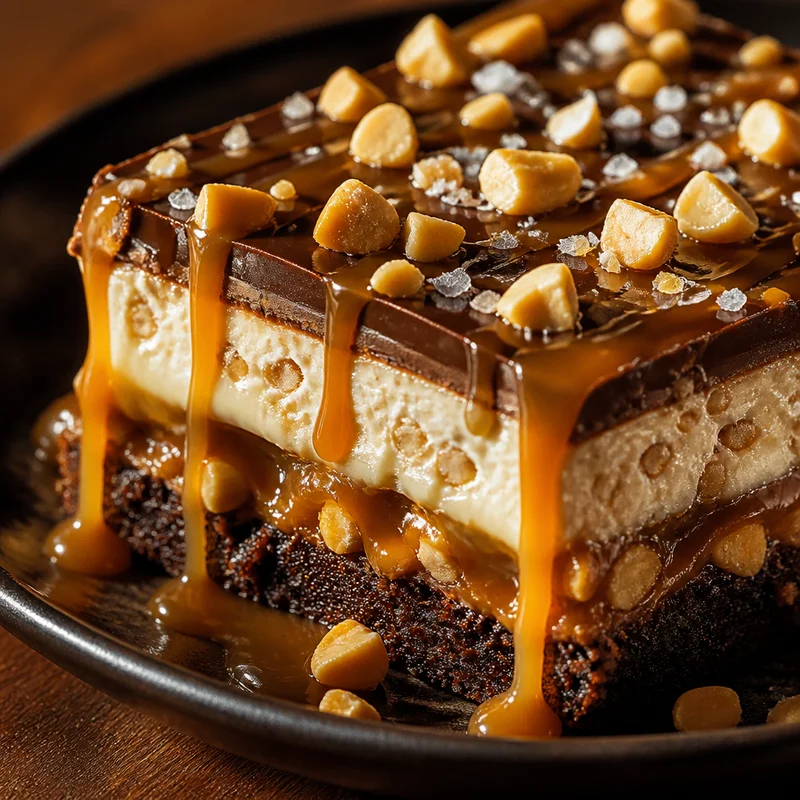
Frozen Chocolate–Caramel Peanut Nougat Bars
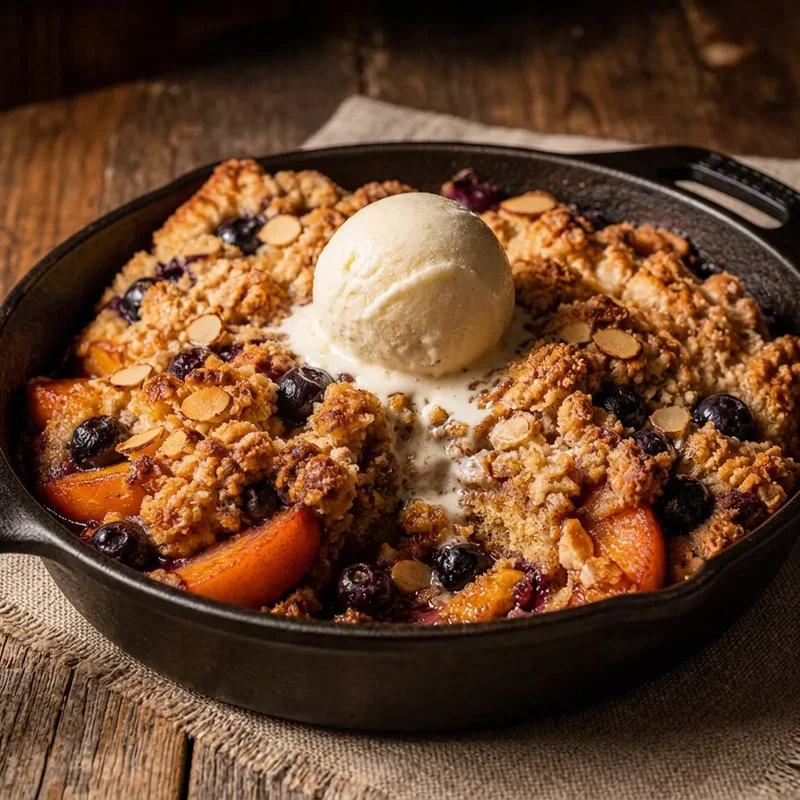
Blueberry Peach Buckle with Almond Streusel
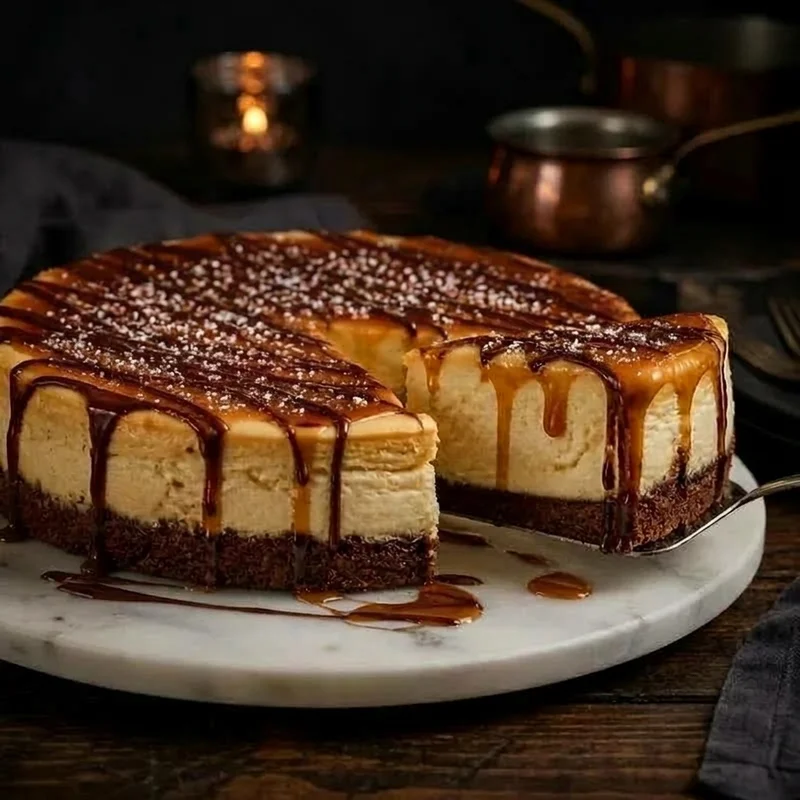
Creole Cream Cheese Cheesecake with Salted Caramel and Dark Chocolate
Are you this recipe's original author or publisher? Report a problem